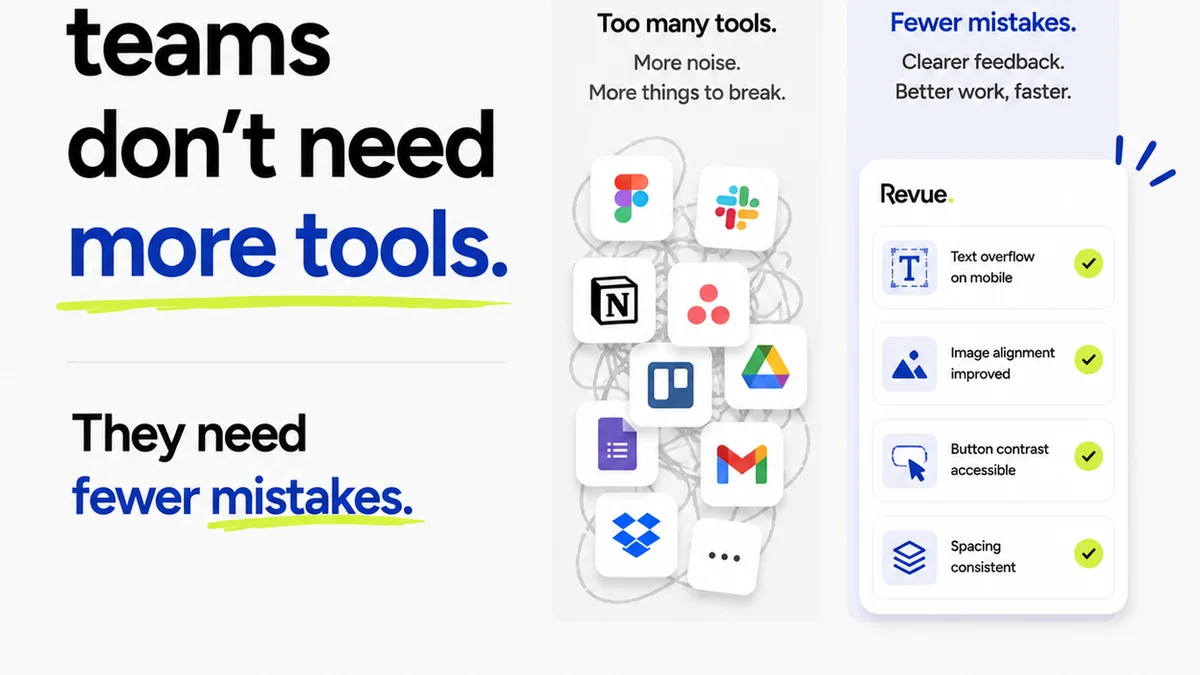
Everyone agrees design review software is essential. It’s the modern way to handle client feedback, manage revisions, and get approvals. You've probably heard it all before: faster turnaround, fewer errors, happier clients. None of that is wrong. But it’s incomplete.
The hard truth is that most design review tools don't magically fix broken workflows. They just digitize them. The real value comes from understanding what a good system *actually* enables. It’s not just about collecting comments; it's about creating clarity, accountability, and a clear path to final delivery.
1. Centralized Feedback: The Single Source of Truth
Scattered feedback is chaos. Emails, Slack messages, random Word docs — they all lead to missed comments, conflicting instructions, and endless back-and-forth. Your design review software *must* be the single source of truth for all creative feedback.
Consolidating Client Comments
This means bringing everything into one place. Clients should be able to comment directly on the designs, whether it's a static image, a video, or a live prototype. The software should capture these comments with precise context – a specific area of the screen, a timestamp in a video.
Think about the friction points:
- Client emails a list of changes.
- Designer has to manually map those changes to the artwork.
Frequently asked questions
What is the primary benefit of design review software?
The primary benefit is consolidating all feedback and revisions into a single, organized platform. This eliminates confusion, reduces errors from scattered communication channels (like email or Slack), and provides a clear audit trail, leading to faster approvals and more efficient project delivery.
How does design review software improve client collaboration?
It provides clients with a direct, contextual way to provide feedback on specific elements of a design. This clarity reduces misinterpretations and the need for lengthy explanation calls. Features like version control and clear approval workflows also keep clients informed and involved, building trust.
Can design review software help with quality assurance?
Yes, effective design review software supports quality assurance by enabling detailed annotation, version comparison (to spot unintended changes), and clear sign-off stages. This structured process helps ensure that the final output meets all specified requirements and client expectations before final delivery.
Is design review software only for large agencies?
No, design review software is beneficial for agencies and in-house teams of all sizes. Smaller teams can gain significant efficiency by centralizing feedback and reducing manual tracking. For larger organizations, it's essential for managing complex projects and multiple stakeholders across different departments.