Everyone talks about design systems as a way to ensure brand consistency and speed up design and development. That's not wrong. But it’s incomplete.
The hard truth? Design systems are becoming less about the UI kit and more about the underlying processes that govern how creative work gets done. The real value lies in operational efficiency, not just pixel-perfect components.
Looking ahead to 2026, the focus is shifting. Here’s what you need to watch.
1. Design Systems as Operational Hubs
The days of a design system being a static library are fading. They are morphing into dynamic hubs that connect disparate teams and workflows.
Think beyond just components. Think about the entire lifecycle of a creative asset, from ideation to deployment and iteration.
This shift means:
- Integration with project management tools
- Automated checks for compliance and accessibility
- Centralized feedback loops for design and development
- Real-time performance data feeding back into design decisions
The design system becomes the single source of truth not just for *what* to build, but *how* and *why*.
2. The Rise of the 'Living' Design System
Static documentation is a relic. Future-proof design systems are alive, breathing, and constantly learning.
This means continuous integration and continuous deployment (CI/CD) for design assets, much like software development.
Key characteristics include:
- Automated testing for component behavior and visual regressions
- Version control that’s granular and transparent
- A clear process for contributions and updates from all stakeholders
- Built-in mechanisms for gathering user feedback on the system itself
A living design system adapts. It doesn't just reflect current standards; it anticipates future ones.
3. AI-Powered Design System Augmentation
Artificial intelligence is poised to revolutionize design system management. Expect AI to take on many of the repetitive, data-heavy tasks.
This isn't about replacing designers. It's about empowering them with smarter tools.
Potential AI applications:
- Automated component generation based on design patterns
- Smart suggestions for component usage and best practices
- AI-driven accessibility audits and remediation advice
- Predictive analysis of design system adoption and impact
- Content generation and localization assistance
AI can help bridge the gap between design intent and implementation fidelity, especially across large, distributed teams.
4. Enhanced Accessibility and Inclusivity by Design
Accessibility is no longer an afterthought. It’s a foundational requirement, baked into the design system from the start.
This means accessibility standards are not just guidelines; they are non-negotiable, built-in features.
Expect design systems to:
- Mandate WCAG compliance levels for all components
- Provide clear guidance on inclusive design principles
- Integrate automated accessibility testing throughout the workflow
- Offer alternatives and variations to cater to diverse user needs
Tools like WCAG will become even more central to design system governance.
5. Cross-Platform and Cross-Technology Consistency
As digital experiences fragment across web, mobile, wearables, and even AR/VR, maintaining consistency becomes exponentially harder.
Design systems need to evolve beyond single-platform constraints.
This requires:
- Abstracted design tokens that can be applied across different frameworks (React, Vue, Angular, native iOS/Android)
- Component architectures that are adaptable and reskinable
- Clear principles for platform-specific adaptations that don't break core brand identity
- A strategy for managing design debt across multiple platforms
The goal is a cohesive brand experience, regardless of the touchpoint.
6. The Human Element: Governance and Community
Despite the rise of automation and AI, the human element remains critical.
Effective design system governance is about more than just rules; it's about building a community.
This involves:
- Clear roles and responsibilities for system ownership and maintenance
- Processes for collaboration and feedback that are inclusive and efficient
- Training and onboarding that empowers teams to use the system effectively
- Fostering a culture of shared ownership and continuous improvement
A design system thrives when people understand its value and feel invested in its success.
Where Revue Fits In
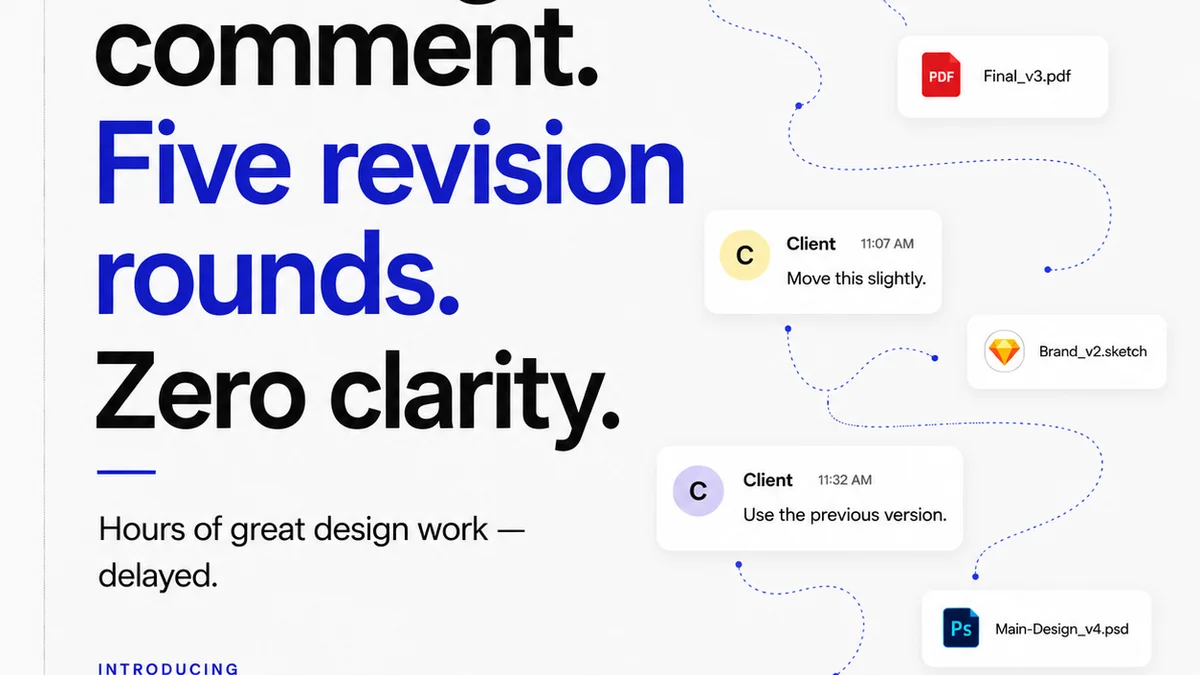
Managing a design system, especially a 'living' one, involves complex workflows. Centralizing feedback, tracking revisions, and ensuring quality checks are paramount.
Revue helps bridge the gap between design creation and design system governance.
It provides a single source of truth for client feedback on designs that adhere to your system. Visibility into revision cycles ensures that component updates or new additions are approved and implemented correctly. Automated quality checks can flag deviations from established patterns, maintaining the integrity of your design system even as it evolves.
This operational layer is crucial for scaling design systems effectively and ensuring they deliver on their promise of efficiency and consistency.
Final Thought
Design systems are no longer just a UI library; they are the operational backbone of modern creative production.
As we move toward 2026, are you building a design system, or are you building an operational engine for your creative output?
Frequently asked questions
What is the main shift in design systems towards 2026?
The primary shift is from design systems being solely UI kits to becoming operational hubs that manage the entire creative workflow, integrating feedback, revisions, and quality checks.
How will AI impact design systems?
AI will augment design systems by automating tasks like component generation, accessibility audits, and providing smart usage suggestions, thereby empowering designers and improving efficiency.
Why is accessibility becoming more critical for design systems?
Accessibility is moving from an afterthought to a foundational requirement, with design systems mandating WCAG compliance and providing built-in features for inclusivity.
How can Revue help with design system management?
Revue centralizes client feedback, provides visibility into revision cycles, and facilitates quality checks, ensuring that designs adhere to the design system and its integrity is maintained.