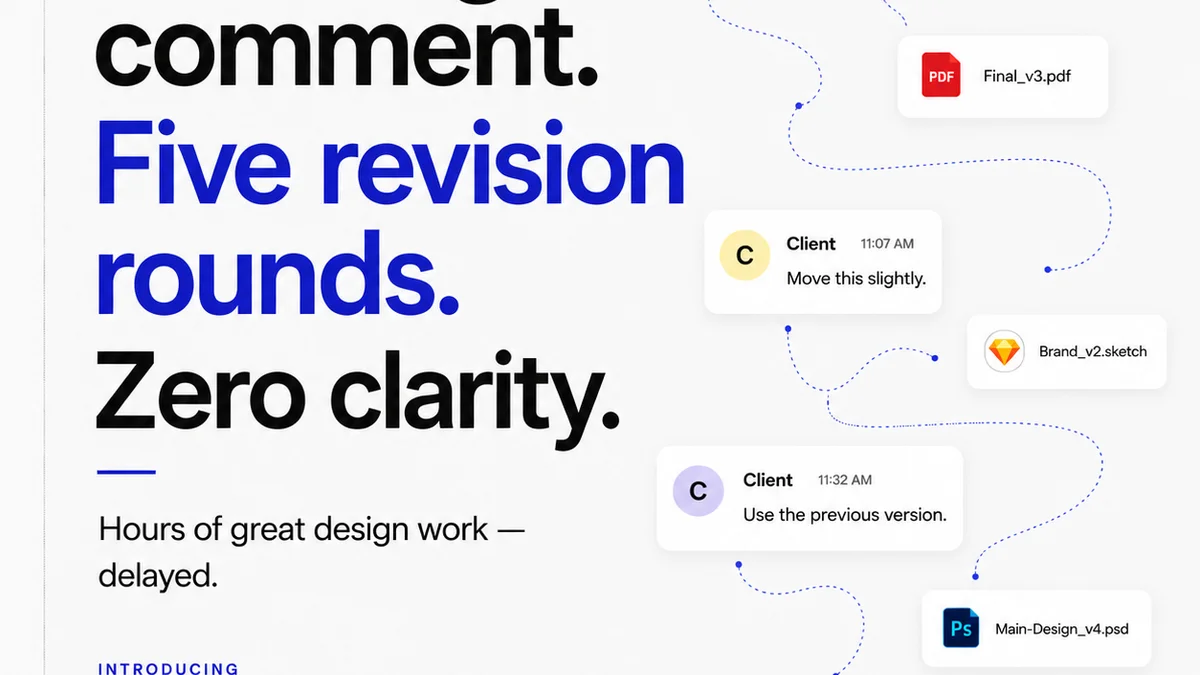
Everyone agrees that digital asset quality assurance (QA) is important. It’s the last line of defense before a client sees work, or before a campaign goes live. You check for typos, broken links, and visual glitches. Simple, right?
None of that is wrong. But it’s incomplete. It misses the operational realities that make QA a consistent headache for agencies and in-house teams.
The hard truth? Treating digital asset QA as a purely technical, last-minute task is a recipe for disaster. It’s a process failure waiting to happen, impacting timelines, budgets, and client trust.
1. Beyond the Checklist: Why Formal QA Matters
A basic checklist is a starting point, not a strategy. It assumes a perfect handoff and a clear understanding of requirements. In reality, creative projects are fluid. Requirements shift. Feedback gets lost. This is where a robust digital asset QA process becomes non-negotiable.
Effective QA isn't just about catching errors; it’s about preventing them. It’s about ensuring the final asset aligns perfectly with the brief, the brand guidelines, and the client’s vision. When done right, it’s a proactive measure that saves time and money.
The Hidden Costs of Poor QA
- Endless revision cycles because fundamental issues were missed early.
- Damaged client relationships due to repeated mistakes.
- Missed deadlines and costly rush fees.
- Brand inconsistency across different platforms and assets.
- Wasted resources on rework that should have been caught by a strong QA process.
This isn't about blaming individuals; it's about acknowledging systemic weaknesses in how we manage creative quality.
2. Defining
Frequently asked questions
What are the key components of a digital asset QA process?
A comprehensive digital asset QA process includes verifying alignment with project briefs and brand guidelines, checking for technical accuracy (file formats, resolution, code), ensuring functional integrity (links, interactive elements), and confirming visual consistency and accuracy against approved mockups. It also involves a clear communication and sign-off workflow.
How can I integrate QA earlier in the creative process?
Integrate QA by establishing clear review checkpoints at key milestones, not just at the end. This could involve peer reviews of early concepts, technical checks on initial builds, and using collaborative platforms for ongoing feedback. The goal is to catch issues when they are cheapest and easiest to fix.
What's the difference between QA and UAT (User Acceptance Testing)?
QA focuses on whether the asset meets technical specifications, functional requirements, and internal quality standards. UAT, on the other hand, focuses on whether the asset meets the business needs and user expectations from the client's or end-user's perspective. They are complementary but distinct phases.
How can I ensure consistency in QA across different team members?
Develop detailed QA checklists based on project type and client requirements. Provide clear training on these checklists and the tools used. Regular calibration sessions where team members review assets together can also help maintain a consistent standard and understanding of quality.