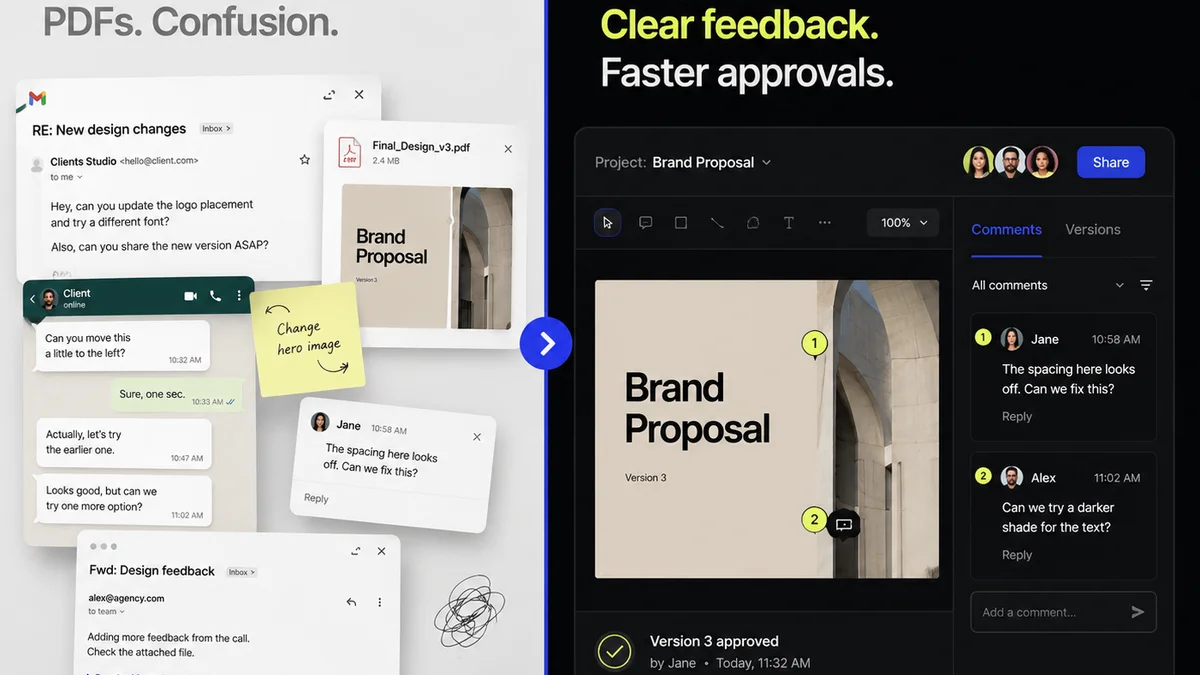
Everyone thinks brand governance starts with a killer style guide. A PDF, maybe a website, loaded with logos, fonts, and color palettes. That’s the playbook, right?
None of that is wrong. But it’s incomplete. It’s like owning a hammer and thinking you’re a master carpenter. A style guide is a tool, not a strategy.
The hard truth? Effective enterprise brand governance is an operational muscle. It’s built on clear processes, consistent communication, and the right technology to enforce standards across massive, dispersed teams. It’s about making sure your brand doesn’t just *look* right, but *acts* right, everywhere, all the time.
1. The Myth of Centralized Control
Many large organizations assume that a central marketing or branding department can simply dictate brand standards and expect them to be followed. This top-down approach often fails because it doesn’t account for the reality of decentralized teams, external agencies, and the sheer volume of creative assets produced daily.
What actually happens?
- Brand guidelines are ignored or misinterpreted.
- Inconsistent visuals and messaging erode brand equity.
- Wasted time and resources on rework.
- Legal and compliance risks increase due to unauthorized usage.
- Frustration mounts on all sides.
True governance isn’t about absolute control; it’s about enabling consistent execution at scale. It requires distributed ownership and accessible tools.
1.1. Empowering Distributed Teams
Your teams aren't in one room. They're in different departments, different cities, even different countries. They're also working with dozens of external partners. Expecting them all to perfectly recall and apply a 200-page PDF is unrealistic.
You need to:
- Make brand assets and guidelines easily discoverable and usable.
- Provide templates that are pre-approved and locked down.
- Offer ongoing, accessible training that’s relevant to specific roles.
- Foster a culture where brand consistency is everyone’s responsibility, not just marketing’s.
1.2. The Role of Technology
Manual checks and balances are impossible at enterprise scale. Technology is your ally. Digital asset management (DAM) systems, brand hubs, and workflow tools are essential for distributing correct assets and ensuring they are used properly.
These systems help by:
- Centralizing approved assets.
- Providing version control.
- Automating basic compliance checks.
- Tracking asset usage.
2. Defining Clear Brand Policies, Not Just Guidelines
A style guide tells you *what* the brand looks like. Brand governance policies explain *how* and *when* to use it, and *why* it matters. This distinction is critical for enterprise environments where context and application vary wildly.
Think about:
- Tone of Voice: How should the brand sound in a customer service email versus a product launch announcement?
- Visual Hierarchy: How do different departments prioritize brand elements in their own communications?
- Application Specifics: Are there unique rules for digital ads, internal presentations, or partner co-branding?
- Approval Workflows: Who signs off on what, and under what circumstances?
These policies need to be practical, actionable, and integrated into daily workflows.
2.1. Moving Beyond
Frequently asked questions
What is the difference between brand guidelines and brand governance?
Brand guidelines detail the visual and verbal elements of a brand (logos, colors, tone). Brand governance is the overarching system of policies, processes, and controls that ensure these guidelines are consistently and correctly applied across an organization.
How can technology help with enterprise brand governance?
Technology like Digital Asset Management (DAM) systems, brand portals, and workflow automation tools centralizes assets, enforces usage rules, streamlines approvals, and provides visibility, which is crucial for managing brand consistency at scale.
Who is responsible for brand governance in a large enterprise?
While a central brand or marketing team often sets the strategy, effective enterprise brand governance requires buy-in and participation from various departments, regional teams, and even external partners. It's a shared responsibility supported by clear processes and accessible tools.
What are the biggest challenges in enterprise brand governance?
Key challenges include decentralized teams, a high volume of creative output, varying levels of brand understanding across the organization, and the difficulty of manual oversight. Overcoming these requires robust processes, clear policies, and enabling technology.