Everyone knows you need a process for creative approvals. It seems obvious. You need to get sign-off before launching that campaign, website, or ad. That’s the assumption. And it’s not wrong.
But it’s incomplete.
The hard truth for enterprise creative teams is that a basic approval process is a bottleneck waiting to happen. It’s a recipe for scope creep, missed deadlines, and internal friction. What you *really* need is a system built for scale, speed, and sanity. A true enterprise creative approval checklist isn’t just about getting a signature; it’s about building a predictable, efficient workflow.
1. The Illusion of a Simple Sign-Off
Most teams think approval is a single point in time. A stakeholder reviews, clicks ‘Approve,’ and we’re done. Easy.
This view ignores the messy reality. Creative work rarely gets a perfect green light on the first pass. Expecting it is naive.
Here’s what usually happens instead:
- The stakeholder who *should* approve is unavailable.
- The wrong stakeholder is asked for feedback.
- Feedback is vague, contradictory, or comes in too late.
- Comments are buried in email threads or Slack messages.
- The final output doesn't match the original brief.
This isn't a process; it's a guessing game. And for enterprise creative, guessing is a luxury you can’t afford.
2. Defining 'Done': The Core of Enterprise Creative Approval
Before anyone can approve anything, everyone needs to agree on what ‘done’ looks like. This sounds simple, but it’s where most enterprise workflows break down.
The Brief: The Single Source of Truth
Your creative brief is the bedrock. Is it detailed? Is it clear? Does it outline specific objectives, target audiences, key messaging, and mandatory elements?
A weak brief guarantees a messy approval process. For enterprise, this brief needs to be a living document, accessible and referenced at every stage.
Defining Approval Criteria
What specific criteria must the creative meet to be approved? This goes beyond subjective ‘looks good.’ Think:
- Brand guideline adherence (logos, colors, typography)
- Technical specifications (file formats, dimensions, resolution)
- Legal and compliance requirements (disclaimers, claims verification)
- Accessibility standards (WCAG compliance for digital assets)
- Performance metrics (if applicable, e.g., click-through rates for ads)
These aren’t optional extras; they are non-negotiable requirements for enterprise creative approval.
Stakeholder Alignment: Who Signs Off?
This is critical. For enterprise projects, multiple stakeholders are often involved. You need clarity on:
- Who has final decision-making authority?
- Who needs to provide input but doesn’t have final say?
- What are the defined review cycles and turnaround times?
Without this, feedback becomes a free-for-all, and approvals get stuck in limbo.
3. The Multi-Stage Approval Workflow
Enterprise creative approval is rarely a one-step process. It’s a series of gates designed to catch issues early.
Stage 1: Internal Creative Review
Before presenting to stakeholders, the internal creative team should conduct a rigorous self-review. Does it meet the brief? Are there any obvious errors?
This is your first quality control. Don’t skip it.
Stage 2: Primary Stakeholder Review
The main project owner or client contact reviews the work against the brief and defined criteria. This is often the first external feedback loop.
Stage 3: Cross-Functional Review (Legal, Brand, Product, etc.)
Depending on the project, other departments need to weigh in. This could be legal for compliance, brand for consistency, or product for accuracy.
Each of these reviews needs clear objectives and defined deliverables.
Stage 4: Final Approval
The designated final approver gives the go-ahead. This should be a confirmation that all previous stages have been successfully navigated.
The Problem with Manual Tracking
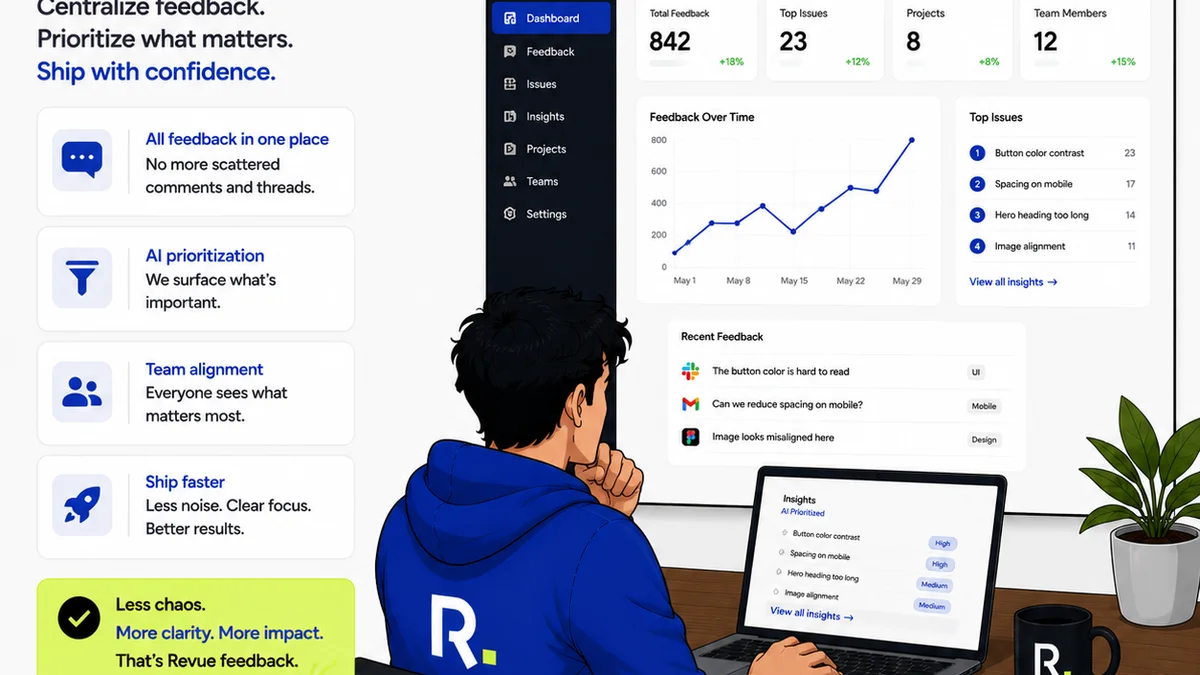
Managing this across multiple projects, teams, and stakeholders is a nightmare without a system. Emails get lost. Spreadsheets become outdated. Version control is a myth.
This is where the
Frequently asked questions
What are the key components of an enterprise creative approval checklist?
A robust checklist includes defining clear objectives in the brief, establishing specific approval criteria (brand, legal, technical), identifying all necessary stakeholders and their roles, outlining multi-stage review cycles, and ensuring a clear process for feedback and final sign-off.
How can I get faster approvals from enterprise stakeholders?
Ensure stakeholders are involved early, provide clear context and the brief with every request, set specific deadlines for feedback, and use a centralized platform to manage requests and track progress. Make it easy for them to see what’s needed and when.
What is the biggest mistake teams make in creative approvals?
The biggest mistake is treating approval as a single event rather than a multi-stage process. Teams also fail to clearly define 'done' and who has the final say, leading to endless revisions and confusion.
How does a checklist help with version control?
A checklist, when integrated with a project management system, helps track which version is currently under review, who has provided feedback on it, and what revisions are pending. This prevents confusion about which iteration is the most current.