Everyone talks about enterprise creative collaboration. They point to endless video calls, sprawling chat threads, and a dizzying array of project management software. The assumption? More tools and more communication channels equal better collaboration.
None of that is wrong. But it’s incomplete.
The hard truth is that effective enterprise creative collaboration isn't about *more* talking or *more* tools. It’s about *smarter* workflows, *clearer* feedback, and *controlled* communication that drives projects forward, not drowns them.
1. The Myth of the 'Always-On' Creative Team
The modern agency or in-house team operates under immense pressure. Deadlines loom, client demands shift, and the pace is relentless. This often leads to a culture where teams feel they need to be constantly available, constantly collaborating in real-time.
This 'always-on' mentality is a trap.
It fragments focus, encourages rushed decisions, and leads to burnout. True collaboration thrives on focused work periods interspersed with structured, efficient communication. It’s about deep work, not shallow, constant connection.
The Cost of Constant Connection
- Diminished deep work capacity
- Increased context switching overhead
- Higher error rates due to rushed input
- Team fatigue and reduced morale
- Siloed information in disparate chat histories
Your enterprise creative team needs protected time to actually create. Collaboration should support this, not interrupt it constantly.
2. Feedback: The Black Hole of Creative Projects
The single biggest killer of creative projects is unclear, unstructured, and unmanaged feedback. This isn't just a small agency problem; it's a massive enterprise issue, amplified by scale, multiple stakeholders, and complex approval chains.
Feedback is the lifeblood of creative work, but it often becomes a toxic swamp.
When feedback is vague, contradictory, or buried in email chains, it creates confusion. Designers and copywriters are left guessing, endlessly revising based on subjective interpretations rather than clear objectives.
Common Feedback Fails
- Vague comments: "Make it pop," "I don't like it."
- Contradictory notes from different stakeholders.
- Feedback delivered too late in the process.
- Lack of context for the feedback provided.
- No clear decision-maker or final approver.
- Feedback lost in endless email threads or Slack channels.
This chaos isn't just frustrating; it's incredibly costly. It wastes billable hours, delays launches, and erodes client relationships.
3. Visibility is Not Control
Many enterprises invest in project management tools, expecting them to magically organize creative collaboration. These tools can offer visibility, showing tasks and deadlines. But visibility is not the same as control.
You can see a thousand tasks, but if you don't know which one is the priority, or if the feedback on task #78 is approved, you still lack control.
True control in creative collaboration comes from understanding the status of every asset, every revision, and every approval at a glance. It means knowing exactly where a project stands and what the next definitive step is.
The Illusion of Control
A Kanban board showing 50 tasks in progress doesn't tell you if the client has approved the latest logo iteration. A shared Google Doc doesn't tell you who is the ultimate decision-maker for a website design. These are symptoms of the problem, not solutions.
Without a centralized system for feedback and approvals, even the best project management software becomes a glorified to-do list, not a collaboration engine.
4. Standardizing Workflows for Enterprise Scale
The 'wild west' approach to creative feedback and approvals might work for a small team on a simple project. But at the enterprise level, with multiple teams, departments, and clients, this ad-hoc method is unsustainable.
You need repeatable, scalable processes.
This means defining clear stages for review, establishing who provides feedback at each stage, and designating who has final approval. It means standardizing how feedback is given and received.
Building Scalable Workflows
- Define clear review gates: What stages require client or internal sign-off?
- Assign roles and responsibilities: Who provides input? Who consolidates? Who approves?
- Standardize feedback formats: Use annotation tools, structured forms, or central platforms.
- Establish communication protocols: When to use chat, email, or a dedicated review platform.
- Document everything: Create a clear audit trail for all decisions and approvals.
These workflows reduce ambiguity and ensure that everyone is working from the same playbook. They create predictability in an inherently unpredictable creative process.
5. The Right Tools for the Right Job
While tools aren't the whole answer, the *right* tools are crucial for effective enterprise creative collaboration. The key is selecting tools that integrate seamlessly and specifically address the pain points of creative workflows.
This often means moving beyond generic communication apps or basic file-sharing services.
You need platforms designed for visual review and approval, that can handle rich media, and that provide a single source of truth for all project feedback and iterations.
Key Features to Look For
- Centralized feedback: All comments and annotations in one place, attached directly to the creative asset.
- Version control: Easy tracking of revisions and comparisons between versions.
- Clear approval workflows: Defined steps and digital sign-offs.
- Stakeholder management: Ability to invite external clients or internal teams with specific permissions.
- Audit trails: A complete history of feedback, revisions, and approvals.
- Integrations: Seamless connection with existing creative software and project management tools.
When your tools support your process, they become accelerators, not roadblocks.
Where Revue Fits In
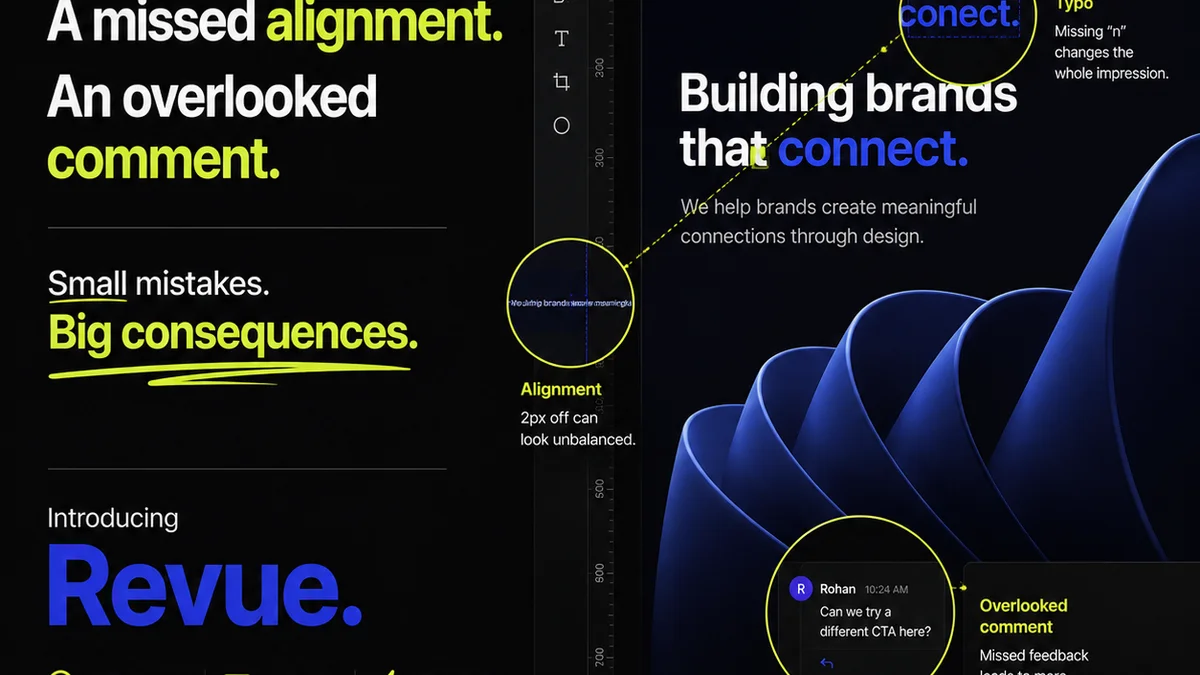
This is precisely why we built Revue. It’s designed to cut through the noise and bring clarity to enterprise creative collaboration.
Revue acts as that central hub, unifying feedback and approvals. Instead of scattered emails and chat messages, all client comments and internal notes are gathered directly on the creative assets themselves. This eliminates guesswork and ensures everyone is working from the latest, approved version.
Our structured approval workflows mean you can define clear stages, assign reviewers, and get digital sign-offs. This brings much-needed control and visibility to complex projects, reducing revision cycles and speeding up delivery.
With Revue, you transform collaboration from a chaotic free-for-all into a streamlined, accountable process.
Final Thought
The future of enterprise creative collaboration isn't about cramming more into fewer hours or buying more software. It’s about intelligent design of your workflows. It’s about ensuring that every piece of feedback, every revision, and every approval serves the ultimate goal: creating exceptional work, efficiently.
Are your current collaboration methods truly enabling your creative teams, or are they just adding to the noise?
Frequently asked questions
What is the biggest mistake companies make in enterprise creative collaboration?
The biggest mistake is assuming more tools and communication channels equal better collaboration. This often leads to fragmented focus and information overload. True improvement comes from refining workflows, clarifying feedback processes, and establishing clear approval gates.
How can I reduce the number of revisions on creative projects?
Reduce revisions by ensuring feedback is clear, specific, and consolidated before being given to the creative team. Use a centralized platform for feedback and approvals, define clear review stages, and designate a single approver to avoid contradictory notes. Documenting decisions also helps.
What are the essential features of a tool for creative collaboration?
Key features include centralized feedback directly on assets, robust version control, clear approval workflows with digital sign-offs, stakeholder management with permissions, and comprehensive audit trails. Integrations with existing creative tools are also vital.
How does visibility differ from control in creative projects?
Visibility means seeing the status of tasks and deadlines, often through project management tools. Control means having a clear understanding and command over the entire process, including the quality of feedback, the status of revisions, and the final approval of assets. Visibility alone doesn't guarantee control.