Everyone talks about enterprise creative governance. They point to brand guidelines, legal reviews, and approval workflows. None of that is wrong. But it’s incomplete.
The hard truth? Most creative governance frameworks are built on avoiding risk, not on enabling excellence. They focus on what *not* to do, rather than how to consistently do your best work.
True governance isn't about slowing things down; it's about speeding up the *right* things. It’s about clarity, consistency, and confidence in your creative output, especially when you’re operating at scale.
1. What is Enterprise Creative Governance, Really?
At its core, enterprise creative governance is the system of rules, processes, and standards that guide how creative work is conceived, produced, approved, and deployed across a large organization. It’s the scaffolding that supports consistent brand expression and operational efficiency.
Think of it as the operating system for your creative department or agency. Without it, you’re running on a bunch of disconnected apps, each with its own bugs and unpredictable behavior.
Common elements include:
- Brand style guides (visual and voice)
- Legal and compliance review processes
- Production workflows and asset management
- Cross-functional team alignment
- Quality assurance checks
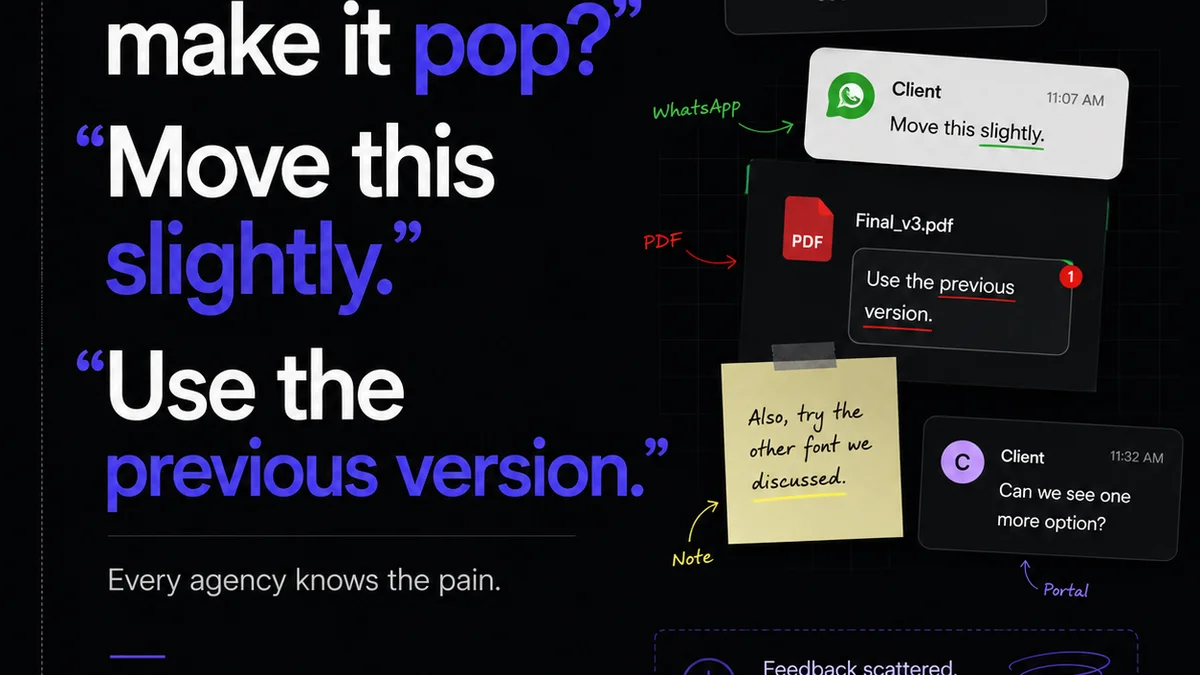
- Client feedback loops
But these are just the components. The governance is how they fit together and function as a cohesive whole.
2. The Flaw in Compliance-First Governance
Many organizations approach creative governance as a way to prevent mistakes. This often leads to:
- Bureaucratic bottlenecks
- Fear of innovation
- Over-reliance on legal and brand police
- Frustrated creative teams
- Slow time-to-market
This approach treats creativity as a potential liability. It assumes creatives will deviate if not watched. It’s a low-trust model.
The result is often a sterile, risk-averse creative output that fails to connect with audiences. It’s safe, but it’s rarely impactful.
3. Building Governance for Excellence, Not Just Compliance
The most effective creative governance frameworks are built on a foundation of trust and empowerment, guided by clear strategic objectives. They enable teams to deliver exceptional work, consistently.
This means shifting the focus from
Frequently asked questions
What are the key components of enterprise creative governance?
Key components include brand guidelines (visual and voice), legal/compliance review processes, production workflows, asset management, cross-functional team alignment, quality assurance, and client feedback mechanisms.
How does creative governance impact creative teams?
Effective governance empowers teams with clarity and support, leading to more consistent, high-quality work and faster delivery. Poor governance creates bottlenecks, stifles innovation, and leads to frustration.
Is creative governance only for large enterprises?
While the term 'enterprise' suggests large organizations, the principles of creative governance apply to any team or agency that wants to ensure consistent, high-quality creative output and efficient workflows. Smaller teams can implement scaled-down versions.
How can technology support creative governance?
Tools like Revue can centralize feedback, track revisions and approvals, and provide visibility into the entire creative process, significantly streamlining governance efforts and ensuring accountability.