Everyone talks about creative operations. They throw around terms like 'streamlining workflows' and 'optimizing asset management.' It sounds good, right?
None of that is wrong. But it’s incomplete.
The hard truth for enterprise creative teams is that true operational mastery isn't about adopting the latest buzzwords. It's about building and enforcing rigorous systems that manage complexity, reduce friction, and ensure quality at scale. This isn't about speed; it's about predictability and control.
1. Define Your Core Creative Processes
Before you can optimize anything, you need to know what you're optimizing. What are the fundamental steps your creative work takes from brief to final delivery?
This isn't just a high-level overview. Get granular.
Briefing Intake
How are briefs submitted? What information is mandatory? Who reviews and approves them before work begins? A poorly defined brief is the root of endless revisions.
Concepting & Ideation
Where does this happen? How is feedback gathered? What's the process for internal review before client-facing concepts are presented?
Production & Execution
This is the longest leg of the journey. Define stages, handoffs, and quality gates. Who is responsible at each step?
Review & Approval Cycles
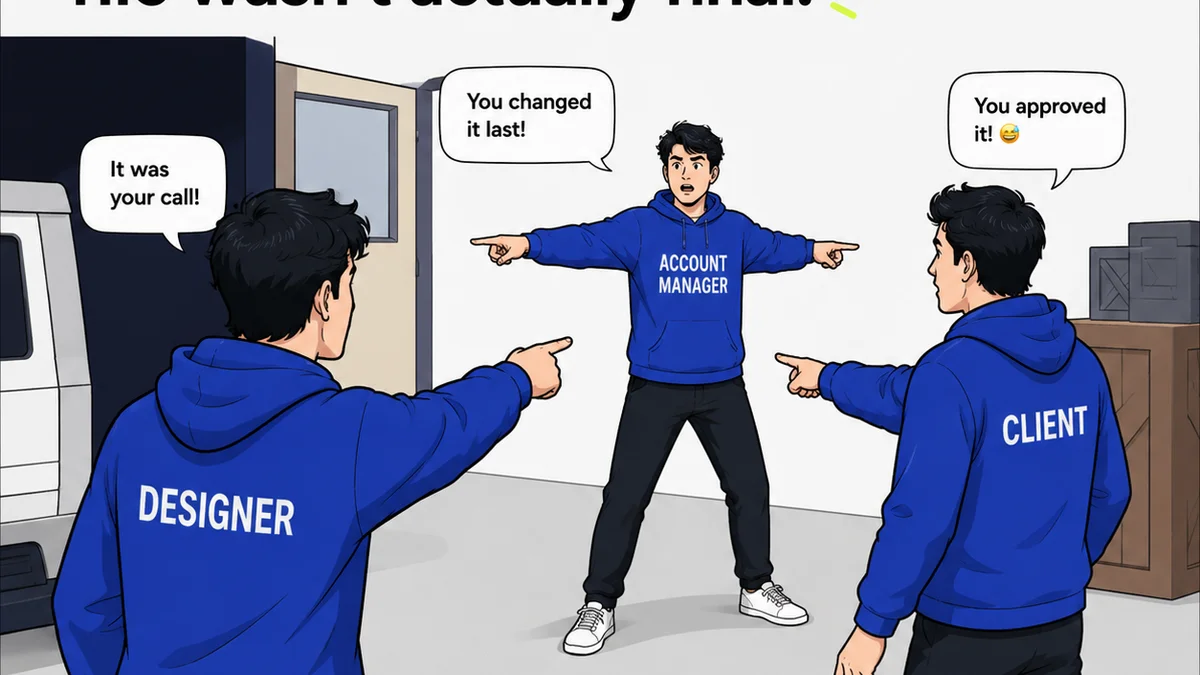
This is where most enterprise operations break down. Define clear stages: internal review, client review, final approval. What constitutes 'approval'? Who has the final say?
Asset Management & Archiving
Where do final assets live? How are they tagged? Who has access? How long are they kept?
2. Map Your Stakeholders and Their Roles
Enterprise creative work involves a vast web of people. Ignoring this complexity is a recipe for disaster.
Identify every key player and their specific role in the operational process.
- Creative Directors: Quality control, strategic alignment, final creative sign-off.
- Project Managers: Workflow management, timelines, resource allocation, communication hub.
- Account Managers: Client liaison, scope management, understanding client needs.
- Legal/Compliance: Review of materials for brand adherence, regulatory issues, and rights.
- Brand Guardians: Ensuring brand consistency across all deliverables.
- External Agencies/Freelancers: Integration into the workflow, clear communication channels.
- IT/Tech Teams: Infrastructure, tool access, security protocols.
- End Clients: The ultimate approvers; their feedback loop is critical.
Every single one of these roles needs clear definition and integration into your operational framework.
3. Implement a Centralized Feedback and Approval System
This is non-negotiable for enterprise teams. Email chains, scattered Slack messages, and random Word documents are the enemy of efficiency and clarity.
You need a single source of truth for all feedback and approvals.
Consider the chaos of a major campaign. Approvals might come from marketing, legal, product, and regional heads. Without a system, these inputs get lost, misinterpreted, or create conflicting directives.
A centralized system ensures:
- All feedback is captured: No more 'lost' comments.
- Context is maintained: Feedback is tied directly to the asset being reviewed.
- Version control is clear: Everyone sees the latest iteration and its history.
- Approvals are auditable: You know who signed off, when, and on what version.
4. Establish Clear Communication Protocols
How does information flow? Who needs to know what, and when?
Ambiguity kills productivity. Define how updates, changes, and approvals are communicated.
Status Updates
When and how are project statuses communicated? Daily stand-ups? Weekly reports? Automated notifications?
Change Management
What is the process for requesting and approving scope changes? How are these documented and communicated to the team and client?
Escalation Paths
What happens when a project is blocked or at risk? Who needs to be notified, and what are the steps to resolve the issue?
5. Define and Enforce Quality Assurance (QA) Gates
This is more than just a final spell-check. It’s about ensuring the creative output meets strategic goals, brand standards, and technical specifications.
Build QA into your workflow, not as an afterthought.
Brand Compliance
Does the work adhere to brand guidelines? (Logos, colors, typography, tone of voice).
Strategic Alignment
Does the creative meet the objectives outlined in the brief? Is it on-message?
Technical Specifications
Are the files correctly formatted? Do they meet platform requirements (e.g., web banner dimensions, video specs, print bleed)?
Accessibility Standards
For digital assets, are they accessible? This means considering things like color contrast, alt text for images, and keyboard navigation for interactive elements. Adhering to standards like WCAG (Web Content Accessibility Guidelines) is crucial for inclusivity and legal compliance.
Final Review Checklist
Create a standardized checklist that reviewers must complete before final sign-off. This ensures consistency and diligence.
6. Leverage Technology Wisely
Tools are enablers, not magic bullets. Choose technology that supports your defined processes, rather than trying to contort your processes to fit a tool.
For enterprise creative operations, consider:
- Project Management Software: For task tracking, timelines, and resource allocation.
- Digital Asset Management (DAM) Systems: For organizing, storing, and retrieving creative assets.
- Creative Workflow/Review Tools: Platforms designed for gathering feedback, managing revisions, and tracking approvals directly on creative assets.
- Collaboration Platforms: For real-time communication and team coordination.
The key is integration. Your tools should talk to each other, or at least, your processes should ensure seamless data flow between them.
7. Foster a Culture of Operational Discipline
The best-designed processes and tools will fail if your team doesn't buy in.
Operational discipline is about adherence, not rigid bureaucracy. It’s about understanding *why* the process exists.
- Training: Ensure everyone understands the workflows, their roles, and how to use the tools.
- Accountability: Clearly define responsibilities and follow through on consequences for non-adherence.
- Feedback Loop: Regularly solicit feedback from the team on what’s working and what’s not in the operational processes. Adjust as needed.
- Leadership Buy-in: Leaders must champion the operational standards and model the desired behavior.
This isn't about micromanagement. It's about creating an environment where everyone understands the importance of smooth operations for the collective success.
Where Revue Fits In
Managing enterprise creative workflows is a beast. You're juggling multiple stakeholders, complex projects, and the constant pressure for high-quality output. This is precisely where a platform like Revue becomes invaluable.
Revue acts as the central nervous system for your creative feedback and approval process. Instead of chasing down comments across emails, Slack, and shared drives, all stakeholder feedback is consolidated in one place, attached directly to the specific version of the creative asset.
This means:
- Streamlined Feedback: Stakeholders can annotate directly on designs, videos, or documents, providing clear, contextual comments.
- Visible Revision History: Track every iteration and every comment, ensuring transparency and reducing confusion about which version is the latest.
- Clear Approval Tracking: Formalize the approval process with clear sign-off stages, providing an auditable trail.
- Proactive Quality Checks: By centralizing feedback and approvals, you naturally build in more opportunities for quality assurance before final delivery.
Revue helps enterprise teams move beyond the assumption that managing feedback is inherently chaotic, replacing it with the operational truth of controlled, visible, and efficient review cycles.
Final Thought
Enterprise creative operations are less about the glamour of creativity and more about the grit of execution. The systems you build, the clarity you enforce, and the discipline you foster directly impact your team's ability to deliver great work consistently.
Are your operations a source of frustration, or a foundation for success?
Frequently asked questions
What are the key components of enterprise creative operations?
Key components include defining core creative processes, mapping stakeholders and roles, implementing centralized feedback and approval systems, establishing clear communication protocols, defining and enforcing quality assurance gates, leveraging technology wisely, and fostering a culture of operational discipline.
Why is centralized feedback crucial for enterprise teams?
Centralized feedback is crucial because it consolidates all comments and approvals in one place, maintaining context, ensuring version control, making approvals auditable, and preventing crucial feedback from getting lost in email chains or scattered communications.
How can technology improve enterprise creative operations?
Technology can improve operations by providing tools for project management, digital asset management (DAM), creative workflow and review, and collaboration. The key is choosing integrated tools that support defined processes, not the other way around.
What is 'operational discipline' in a creative context?
Operational discipline means fostering a team culture that adheres to defined workflows and processes because they understand the 'why' behind them. It involves training, accountability, a feedback loop for process improvement, and leadership buy-in.