Everyone thinks enterprise creative operations software is about project management. Better dashboards, task assignment, deadlines. None of that is wrong. But it’s incomplete.
The hard truth? For enterprise teams, the right software unlocks strategic advantage. It’s about predictability, risk reduction, and elevating the creative product itself. Not just tracking it.
1. Centralized Feedback and Approvals: The Single Source of Truth
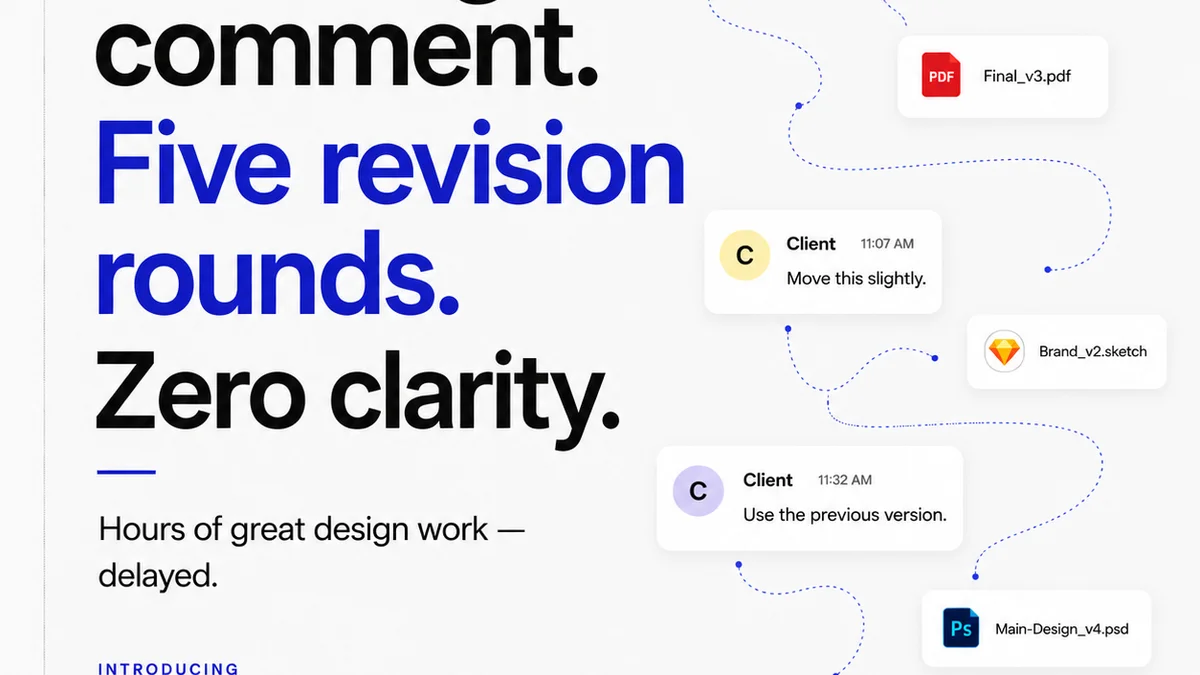
The biggest bottleneck in enterprise creative work isn't the creation. It's the endless loop of feedback, miscommunication, and delayed approvals. Email chains get lost. Version control becomes a nightmare. Stakeholders aren't sure who has the final say.
This chaos isn't just frustrating. It directly impacts delivery times and budget. It breeds errors and compromises creative quality.
Consolidating Communication
Your software must be the single source of truth for all feedback and approvals. This means:
- All comments attached directly to the creative asset.
- Clear annotation tools for precise feedback.
- User roles defining who can give feedback and who gives final approval.
- A documented audit trail of every comment, revision, and approval.
This isn't about making things
Frequently asked questions
What is the primary benefit of enterprise creative operations software?
Beyond project tracking, the primary benefit is enabling predictable, high-quality creative output at scale. It standardizes processes, reduces risk, and ensures brand consistency across large organizations.
How does creative operations software help with brand consistency?
By centralizing feedback, enforcing approval workflows, and managing assets, the software ensures that all creative adheres to brand guidelines. It provides a clear audit trail and reduces the likelihood of unapproved variations slipping through.
Is creative operations software only for large marketing teams?
While often associated with enterprise, any team that produces a significant volume of creative work and faces challenges with feedback, revisions, or approvals can benefit. The scale of the need dictates the complexity of the software required.
What are the risks of *not* using dedicated creative operations software in an enterprise?
The main risks include project delays, budget overruns, inconsistent brand messaging, reduced creative quality due to rushed revisions, team burnout from inefficient processes, and a lack of visibility into creative performance.