Everyone agrees that design Quality Assurance (QA) is critical for enterprise teams. It’s about catching mistakes before they hit customers, maintaining brand consistency, and ensuring a smooth user experience across vast product portfolios.
None of that is wrong. But it’s incomplete.
The hard truth is that most enterprise design QA focuses on the *output* – the final pixels, the perfect kerning. It treats QA as a late-stage gate, a final check. This approach is reactive, inefficient, and ultimately, it fails to address the root causes of quality issues at scale.
Real enterprise design QA isn't just about finding bugs; it's about building quality into the entire workflow. It's about setting up systems and leveraging the right tools to prevent issues from arising in the first place.
1. The Illusion of Control: Why Traditional QA Falls Short
Enterprise teams often fall into the trap of thinking more reviews, more checklists, or more specialized QA tools equate to better quality. They invest in sophisticated bug-tracking software or elaborate style guides, only to find the same problems cropping up repeatedly.
This is like trying to bail out a leaky boat without fixing the holes. The effort is constant, but the underlying problem persists.
Symptoms of this flawed approach include:
- Endless cycles of minor visual tweaks late in the development process.
- Inconsistent brand application across different products or teams.
- A high volume of user-reported issues that could have been caught earlier.
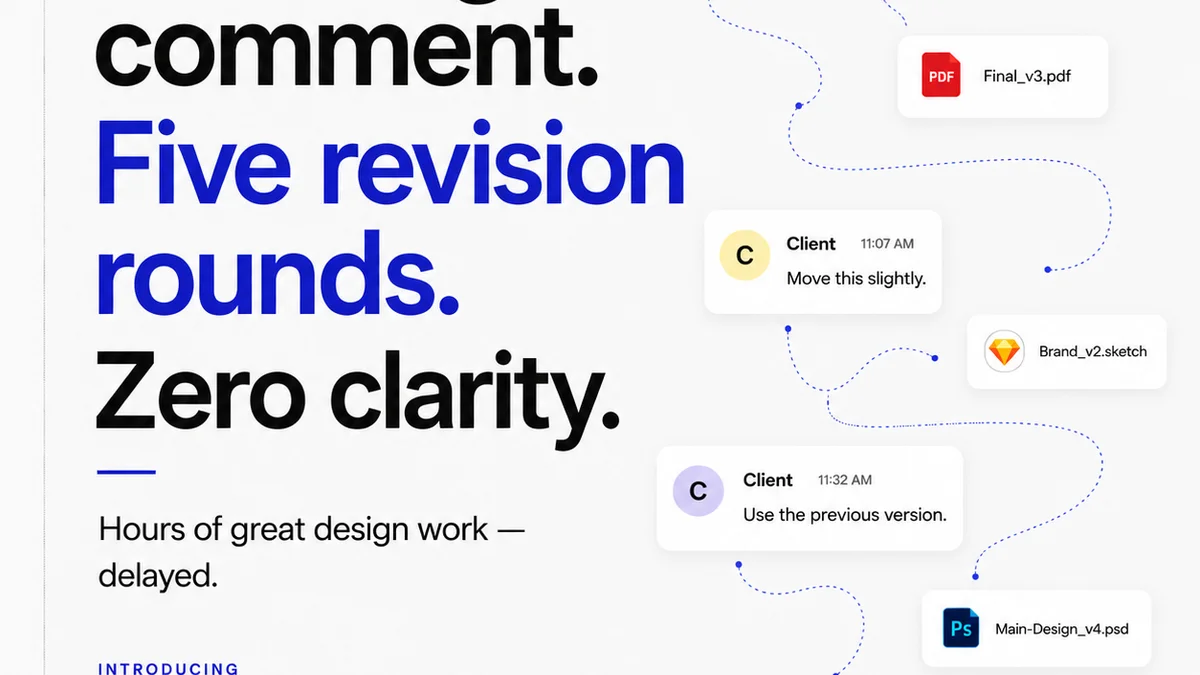
- Developer friction due to unclear or late-stage design feedback.
- QA teams overwhelmed by the sheer volume and complexity of work.
These aren't signs of a bad QA team; they're signs of a broken system. The tools you use are only as effective as the process they support.
2. Shifting Left: Building Quality In, Not Just Checking It
The most effective enterprise design QA strategy embraces the concept of
Frequently asked questions
What is the primary goal of enterprise design QA?
The primary goal is to ensure consistency, usability, and brand integrity across all digital products and touchpoints at scale. This involves proactive prevention of issues and efficient feedback loops, not just late-stage bug hunting.
How can tools help improve enterprise design QA?
Tools can centralize feedback, automate repetitive checks, provide version control, streamline approvals, and offer visibility into the entire design and development process. The key is choosing tools that support a proactive, integrated QA strategy.
What are the biggest challenges for enterprise design QA?
Challenges include managing feedback from numerous stakeholders, maintaining brand consistency across large teams and products, ensuring accessibility, and integrating QA seamlessly into fast-paced development cycles without becoming a bottleneck.
Should enterprise teams use specialized QA software?
Specialized QA software can be useful for bug tracking and reporting. However, it's most effective when integrated into a broader workflow that emphasizes early feedback, clear communication, and design version control, often facilitated by project management or design collaboration platforms.