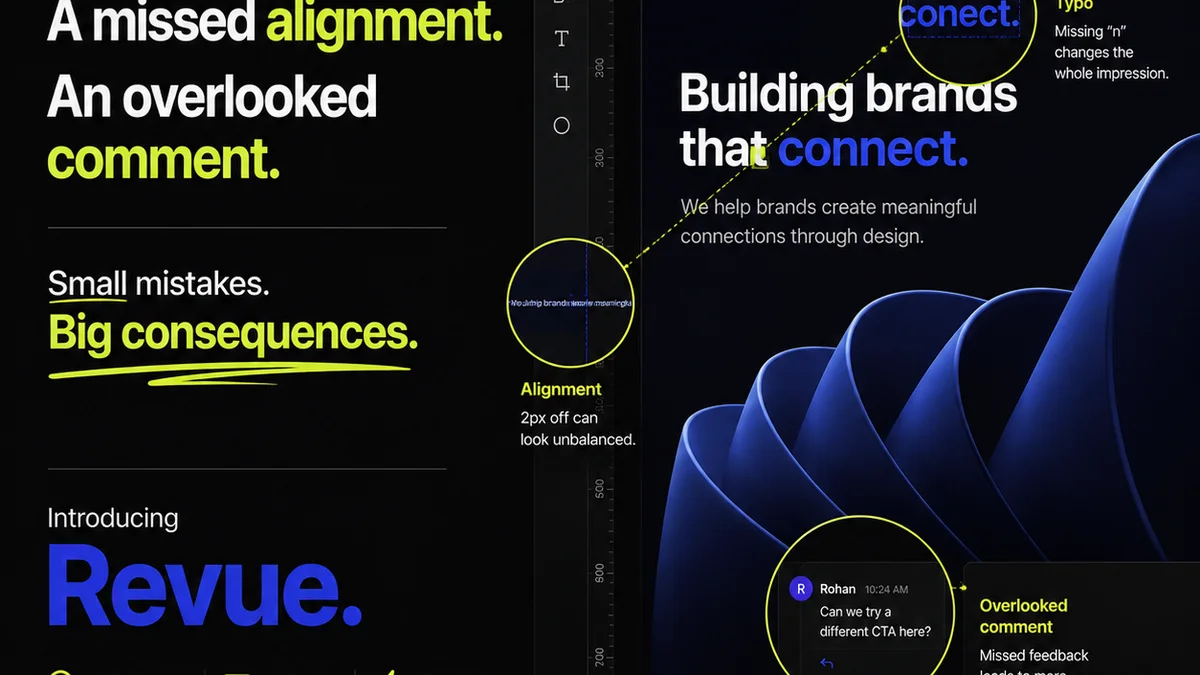
Everyone agrees enterprise design review needs improvement. It’s slow, frustrating, and often feels like a bureaucratic hurdle. Agencies and in-house teams alike lament the endless back-and-forth, the unclear feedback, and the opaque approval processes.
That’s all true. But it’s also just the surface.
The real problem isn’t the review process itself. It’s how we’ve been taught to *think* about it. We treat it as a gatekeeper, a necessary evil to get through. We focus on speed and ticking boxes.
The hard truth? Enterprise design review is less about gatekeeping and more about strategic alignment and quality assurance. When done right, it’s not a bottleneck; it’s a launchpad for exceptional work and stronger client relationships.
Let’s unpack what that really means.
1. The Illusion of 'Good Enough'
Many enterprise teams operate under the assumption that ‘good enough’ feedback is sufficient. They gather comments, compile them, and send them back. The goal is to move on, not necessarily to refine.
This leads to:
- Vague, subjective comments that offer little actionable insight.
- Conflicting feedback from different stakeholders.
- A lack of clear criteria for what constitutes a 'final' review.
- The dreaded
Frequently asked questions
What are the biggest challenges in enterprise design review?
Common challenges include unclear or conflicting feedback, lengthy approval cycles, lack of version control, difficulty tracking revisions, and ensuring brand consistency across large teams and projects.
How can I make design feedback more actionable?
Actionable feedback is specific, objective, and tied to project goals. Instead of 'I don't like this,' try 'This color contrast doesn't meet WCAG AA standards,' or 'This button placement deviates from the established user flow and might confuse users.'
What is the role of technology in improving design reviews?
Technology, like dedicated feedback and review platforms, centralizes communication, provides version history, streamlines approvals, and offers audit trails. This reduces miscommunication and speeds up the process.
How do I ensure consistency in feedback across a large enterprise team?
Establish clear review guidelines, create feedback templates, train reviewers on best practices for constructive criticism, and use a centralized platform that provides a single source of truth for all comments and decisions.