You hear it everywhere: enterprise UX services. The buzzwords are endless. User-centered design. Seamless integration. Scalable solutions. Digital transformation.
None of that is wrong. But it’s incomplete.
The hard truth is that for large enterprises, the *real* value of UX services isn't just about pretty interfaces or intuitive flows. It's about operational efficiency, risk reduction, and driving measurable business outcomes across complex, often siloed organizations.
1. Enterprise UX is About Scale, Not Just Scope
Many agencies pitch UX services as if they're designing a single app for a startup. That’s a different ballgame.
Enterprise UX means designing for thousands, sometimes millions, of users. It means integrating with legacy systems. It means navigating internal politics and diverse stakeholder needs. It means ensuring consistency across a vast portfolio of products and services.
The Real Challenge: Consistency and Governance
How do you maintain a cohesive brand experience when multiple teams, in different departments, are working on different products, often with different tools and processes?
- Lack of design systems or fragmented adoption.
- Inconsistent user journeys across touchpoints.
- Conflicting priorities between business units.
- Difficulty enforcing brand or usability standards.
- Technical debt hindering cross-platform consistency.
This isn't a design problem; it's an organizational and process problem that good UX services must address.
2. Measuring UX Value Beyond Vanity Metrics
Conversion rates, engagement scores, NPS – these are important. But for enterprise clients, the stakes are higher. They need to see how UX impacts the bottom line and operational health.
The best enterprise UX services focus on metrics that matter to the C-suite and operational leads.
Connecting UX to Business Objectives
Think about the tangible impacts:
- Reduced customer support costs due to clearer product interfaces.
- Increased employee productivity from streamlined internal tools.
- Faster time-to-market for new features by standardizing design patterns.
- Lowered training expenses through more intuitive user experiences.
- Mitigated compliance and security risks through thoughtful design.
This requires a deep understanding of the client's business model, their internal workflows, and their specific industry challenges. It’s not just about asking users what they want; it’s about understanding the business context that drives those needs.
3. The Critical Role of Integration and Workflow
A beautiful, user-friendly design is useless if it can’t be implemented or if it breaks existing workflows. For enterprises, this is a constant battle.
Enterprise UX services must bridge the gap between design and development, and crucially, between different functional teams.
Bridging Silos with Design
This often involves:
- Collaborating closely with engineering teams to ensure feasibility and performance.
- Working with product managers to align UX strategy with product roadmaps.
- Engaging with marketing and sales to ensure consistent messaging and positioning.
- Facilitating cross-functional workshops to build shared understanding and buy-in.
- Establishing clear communication channels and feedback loops.
The most effective UX partners understand that implementation is just as critical as the initial design concept.
4. Navigating Complex Stakeholder Landscapes
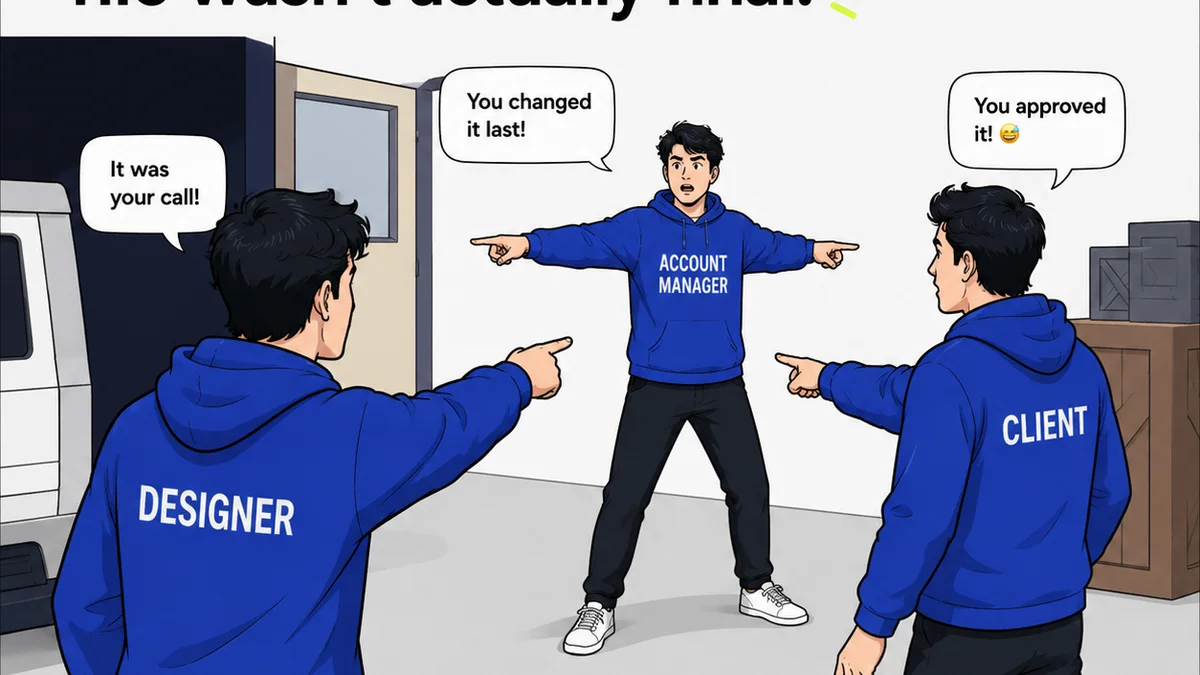
Startups usually have a CEO and maybe a product lead. Enterprises have a dozen VPs, department heads, legal teams, compliance officers, and regional managers, all with opinions and priorities.
Effective enterprise UX services are adept at stakeholder management. They can:
- Identify and engage all relevant stakeholders early and often.
- Translate technical UX concepts into business language.
- Facilitate consensus-building and manage conflicting requirements.
- Present research and design rationale in a way that resonates with different audiences.
- Build trust and demonstrate value to diverse internal groups.
This requires more than just design chops; it demands strong communication, negotiation, and strategic thinking skills.
5. Designing for the Entire Lifecycle
Many agencies focus on the initial design phase. But for an enterprise, the product lifecycle is long and complex.
Good enterprise UX services consider not just the launch, but the ongoing iteration, maintenance, and evolution of a product or service.
Beyond the Big Bang
This includes:
- Establishing robust user research processes for continuous feedback.
- Developing clear guidelines for future enhancements and feature additions.
- Planning for accessibility updates and compliance adherence over time.
- Designing for scalability as user bases and data volumes grow.
- Creating mechanisms for ongoing performance monitoring and A/B testing.
It’s about building sustainable, adaptable experiences, not just one-off projects.
Where Revue Fits In
Managing feedback, revisions, and approvals across large, complex enterprise projects can be a nightmare. Scattered emails, lost comments, endless version control confusion – it all grinds progress to a halt.
This is where a centralized platform like Revue becomes essential. It provides a single source of truth for all creative assets and client feedback.
Revue streamlines the entire review and approval process, ensuring that all stakeholders have visibility into changes and decisions. This clarity reduces miscommunication and speeds up the iteration cycle, directly supporting the operational efficiency that enterprise UX services aim to achieve.
By centralizing feedback and approvals, teams can focus on delivering high-quality, user-centered experiences rather than getting bogged down in administrative chaos.
Final Thought
The best enterprise UX services don't just deliver beautiful designs. They deliver measurable business impact, operational streamlining, and a framework for sustained user satisfaction. It’s about transforming how an organization works, not just how its products look.
Are you looking for UX partners who understand the complexities of scale, integration, and tangible business outcomes?
Frequently asked questions
What distinguishes enterprise UX services from standard UX design?
Enterprise UX services focus on the unique challenges of large organizations: scale (thousands of users), integration with complex systems, navigating internal politics, and driving measurable business outcomes beyond simple user satisfaction. Standard UX often focuses on single products or smaller user bases.
How do enterprise UX services measure their success?
Success is measured not just by user metrics like NPS or engagement, but by tangible business impacts such as reduced support costs, increased employee productivity, faster time-to-market, lower training expenses, and mitigated compliance risks. It's about connecting design to operational efficiency and bottom-line results.
Why is stakeholder management so critical in enterprise UX?
Enterprises have numerous stakeholders with diverse needs and priorities. Effective UX services must identify, engage, and manage these individuals, translating technical concepts into business language and facilitating consensus to ensure project success and buy-in across departments.
How do enterprise UX services handle the entire product lifecycle?
Beyond initial design, they establish continuous feedback loops, plan for ongoing iteration and maintenance, ensure future accessibility and compliance, design for scalability, and implement monitoring for sustained performance. It's about creating adaptable, long-lasting experiences.