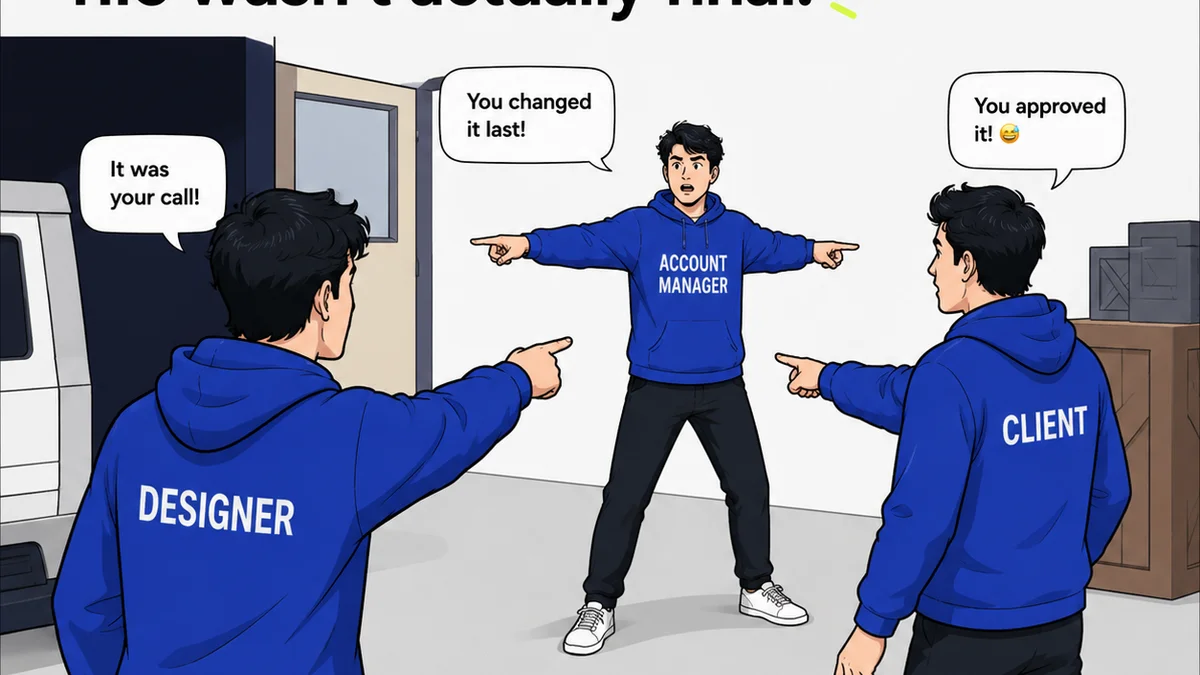
Everyone knows creative feedback is crucial. It’s how we refine ideas, push boundaries, and ultimately deliver work that resonates. You’re probably thinking, “Yeah, I get it. We need clear feedback, good communication, and maybe a project manager to wrangle it all.”
None of that is wrong. But it’s incomplete.
The hard truth is that effective feedback management isn’t just about collecting comments. It’s about building a system that transforms chaotic input into clear, actionable direction. It’s about minimizing friction, maximizing clarity, and protecting your team’s creative energy.
1. The Feedback Illusion: More Isn’t Always Better
We often fall into the trap of believing that more feedback equals better outcomes. More eyes on the work, more opinions, more chances to catch something. This is a dangerous assumption.
The real problem isn't a lack of feedback; it's the *quality* and *structure* of that feedback. Unfiltered, contradictory, or vague comments create more work, not less.
The Symptoms of Bad Feedback Loops
- Endless revision cycles that feel like they’ll never end.
- Team members feeling demotivated by conflicting or unclear direction.
- Scope creep disguised as “just a small tweak.”
- Clients who don’t know what they want but are sure they’ll know it when they see it.
- A general sense of chaos and frustration around project delivery.
Sound familiar? This isn't a sign of a bad team. It's a sign of a broken feedback process.
2. Deconstructing the Feedback Problem
Let’s break down why feedback management is so messy for creative teams.
Creative work is inherently subjective. Unlike a software bug report, design and copy feedback often comes from a place of personal taste or gut feeling, rather than objective criteria. This makes it hard to quantify and act upon.
The Subjectivity Minefield
Imagine a client saying, “I don’t like it.” What does that even mean? It could be the color, the layout, the tone, or something they can’t articulate. Your team is left guessing.
Then there’s the stakeholder lottery. The more people involved, the more likely you are to get conflicting opinions. The junior marketer wants it “more edgy,” while the legal team insists on “absolute clarity.” Who wins?
Communication Breakdowns
Feedback often gets lost in email chains, Slack messages, or forgotten meeting notes. When it’s scattered, it's impossible to track what’s been addressed and what hasn’t.
This leads to duplicated efforts, missed revisions, and the dreaded “I thought you fixed that” conversation.
Lack of Context
Feedback is most effective when it’s tied to specific project goals and constraints. Without this context, feedback becomes a series of disconnected suggestions.
A designer needs to know *why* a change is requested. Is it for accessibility? Brand consistency? User experience? Simply saying “make it pop” offers zero strategic value.
3. Building a Better Feedback Framework
Moving beyond the chaos requires a deliberate framework. It’s not about stifling creativity; it’s about channeling it effectively.
This means establishing clear processes *before* the feedback even starts.
Define Roles and Responsibilities
Who is authorized to give feedback? Who is the ultimate decision-maker? Clearly defining roles prevents conflicting directives and ensures feedback comes from the right sources.
This is especially critical when dealing with multiple stakeholders. Designate a primary point of contact for feedback to act as a filter and aggregator.
Establish Feedback Guidelines
Educate clients and internal stakeholders on how to provide constructive feedback. This might include:
- Focusing on objectives, not just aesthetics.
- Providing specific examples or rationale.
- Stating whether feedback is a “must-have” or a “nice-to-have.”
- Understanding the project’s strategic goals.
This sets expectations and elevates the quality of input you receive.
Standardize the Feedback Channel
Centralize all feedback in one place. Email threads, random Slack messages, and scribbled notes on a PDF are recipes for disaster. Use a dedicated platform where feedback is organized, time-stamped, and linked to the specific creative asset.
This creates a single source of truth, making it easy to track progress and resolve disputes.
Implement Review Stages
Break down the review process into distinct stages. For example:
- Concept review
- Design iteration review
- Content review
- Final approval
Each stage should have clear objectives and a defined set of stakeholders. This prevents people from commenting outside their area of expertise or at the wrong time.
4. Where Revue Fits In
Managing feedback effectively is a core challenge for any creative agency or in-house team. It’s the glue that holds projects together, ensuring everyone is aligned and moving towards the same goal.
Revue is built to address these exact pain points. It acts as your central hub for all client feedback and creative approvals.
- Centralized Feedback: Instead of scattered emails and messages, all comments are logged directly on the creative asset within Revue. This means no more lost feedback, no more confusion about versions.
- Revision and Approval Visibility: Track every version, every revision, and every approval. See who said what, when, and what actions were taken. This transparency builds trust and accountability.
- Streamlined Quality Checks: By having all feedback and revisions in one place, you can ensure that all requirements are met before final delivery. This minimizes last-minute surprises and boosts client satisfaction.
Revue helps transform the messy reality of creative feedback into a clear, manageable workflow, allowing your team to focus on what they do best: creating great work.
5. The Cost of Poor Feedback Management
Let’s be blunt. Ignoring feedback management isn’t just inefficient; it’s expensive.
Think about the hours your team spends chasing down comments, deciphering vague notes, and redoing work because feedback was missed or misunderstood. That’s billable time walking out the door.
The Tangible Impacts
- Increased project timelines leading to missed deadlines.
- Higher operational costs due to wasted effort and rework.
- Damaged client relationships from frustration and perceived incompetence.
- Burnout among creative staff who are constantly battling chaotic processes.
- Lost revenue because projects take longer and cost more than anticipated.
Investing in a robust feedback management system isn't a luxury; it's a necessity for sustainable growth and profitability.
Final Thought
The goal isn't to eliminate feedback – it's to make it work *for* you, not against you. It's about creating a process that fosters clarity, builds confidence, and ultimately leads to better creative outcomes. Are you ready to stop managing feedback and start mastering it?
Frequently asked questions
What is the biggest mistake creative teams make with feedback?
The biggest mistake is treating feedback as a passive collection of comments rather than an active, structured process. This often leads to confusion, conflicting directions, and endless revision cycles because the quality and context of the feedback are not managed.
How can I ensure feedback is actionable?
Actionable feedback is specific, objective, and tied to project goals. Encourage stakeholders to explain the 'why' behind their suggestions, provide concrete examples, and clarify whether a comment is a critical requirement or a stylistic preference. Centralizing feedback also helps maintain context.
Who should be involved in the feedback process?
Clearly define the roles of all stakeholders. Designate a primary point of contact for feedback aggregation and decision-making to avoid conflicting messages. Not everyone needs to review every iteration; involve individuals based on their expertise and role in the project.
How does a centralized feedback tool like Revue help?
A centralized tool like Revue consolidates all feedback, comments, and version history in one place. This eliminates scattered communication, provides a clear audit trail, ensures all feedback is seen and addressed, and streamlines the entire revision and approval workflow, saving time and reducing errors.