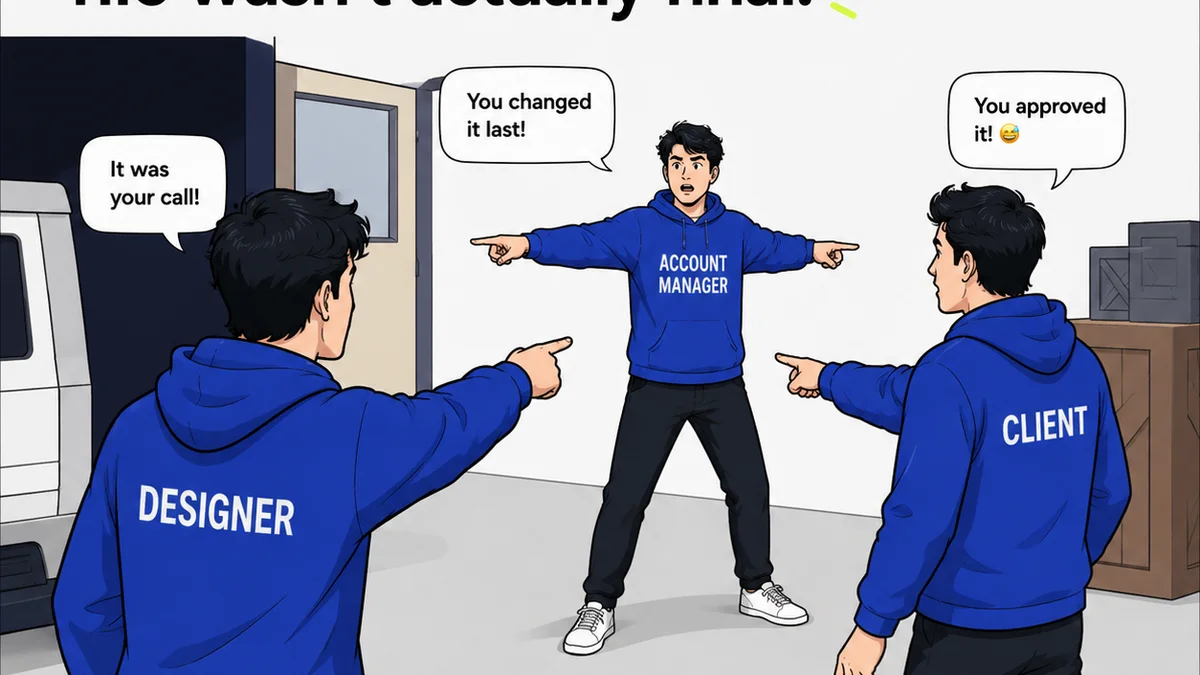
Everyone says you need a great dashboard design for your FinTech product. That it needs to be intuitive, visually appealing, and data-rich. None of that is wrong. But it’s incomplete.
The real challenge isn’t just making a pretty interface. It’s finding an agency that understands the unique pressures and priorities of FinTech: security, compliance, complex data visualization, and driving user behavior change within a regulated environment.
That’s the hard truth. Choosing a dashboard design agency for FinTech is less about aesthetics and more about operational expertise and strategic alignment.
1. Look Beyond the Portfolio: Assess FinTech Acumen
A slick portfolio is table stakes. For FinTech, you need more. You need proof that an agency *gets* your world.
Ask them about their experience with:
- Regulatory compliance (e.g., GDPR, CCPA, SEC rules)
- Data security best practices
- Complex financial data visualization
- User onboarding for sophisticated platforms
- Integration with financial APIs and systems
- Scalability for high-transaction volumes
A strong agency won't just show you pretty screens. They'll talk about the *why* behind their design decisions, specifically referencing FinTech challenges.
Digging Deeper on Experience
Don't just take their word for it. Ask for case studies that detail the specific FinTech problems they solved. Were these for B2B enterprise platforms, retail trading apps, or wealth management tools? The nuances matter.
If they can't speak intelligently about your specific niche, they're probably not the right fit.
2. Prioritize Usability Over Flash
FinTech users aren't looking for novelty. They're looking for efficiency, accuracy, and trust. A dashboard that prioritizes eye-candy over clear information architecture is a failure.
This means the agency must understand:
- Information hierarchy: What data needs to be seen first?
- Task completion: How quickly can a user perform a core action?
- Error prevention and recovery: How do you guide users away from mistakes?
- Accessibility: Ensuring all users can access and understand the data.
Think about the 10 Usability Heuristics. A good agency lives and breathes these principles, especially in a high-stakes environment like finance.
The Data Visualization Dilemma
Visualizing complex financial data is an art and a science. An agency needs to demonstrate they can:
- Choose the right chart types for the data.
- Avoid misleading visualizations.
- Make dense information digestible at a glance.
- Allow for drill-downs and further exploration without overwhelming the user.
This isn't about picking a color palette. It's about translating complex data into actionable insights.
3. Evaluate Their Process: Agility Meets Rigor
FinTech development cycles can be long, involving multiple stakeholders and stringent testing. Your design agency’s process needs to accommodate this reality.
Look for an agency that:
- Employs agile methodologies for rapid iteration.
- Has a clear, structured approach to user research and testing.
- Demonstrates strong project management capabilities.
- Provides transparent communication and reporting.
- Understands the need for version control and design system documentation.
They should be able to integrate seamlessly with your development team, not create another bottleneck.
Collaboration and Feedback Loops
How do they handle feedback? Do they have a robust system for gathering, organizing, and acting on client input? This is crucial for complex projects with many moving parts.
A disorganized feedback process can derail even the best designs. You need an agency that can manage revisions efficiently.
4. Understand Their Tech Stack and Integration Capabilities
A beautiful design is useless if it can't be implemented effectively. The agency should have a solid understanding of the technologies you use or plan to use.
Ask about their experience with:
- Front-end frameworks relevant to your stack (React, Angular, Vue, etc.)
- Design system implementation and maintenance
- API integrations and data flow
- Performance optimization
They don't need to be your developers, but they need to speak the same language and design with implementation in mind. This reduces friction between design and engineering.
5. Assess Their Security and Compliance Mindset
This cannot be stressed enough for FinTech. A design agency must have a security-first mentality.
Key questions:
- How do they ensure sensitive data is handled appropriately in mockups and prototypes?
- Do they understand principles like least privilege and data minimization in their UI/UX design?
- Are they familiar with accessibility standards, such as WCAG?
A breach originating from a design oversight is a catastrophic failure. Your agency must be a partner in preventing this.
Where Revue Fits In
Managing client feedback and revisions on complex dashboards can become chaotic. This is especially true in FinTech, where precision and compliance are paramount.
An agency that uses a tool like Revue can streamline this process dramatically. They can centralize all stakeholder feedback, track revisions transparently, and ensure everyone is working from the latest approved designs.
This visibility reduces miscommunication, speeds up approvals, and helps maintain the integrity of the design throughout the development lifecycle. It ensures the final product meets both user needs and regulatory requirements.
Final Thought
Choosing a FinTech dashboard design agency is a strategic decision. It requires looking past surface-level aesthetics to understand an agency’s grasp of your industry’s unique challenges and demands. Are you looking for a partner who can simply make things look good, or one who can help you build a secure, compliant, and highly usable financial tool?
Frequently asked questions
What makes FinTech dashboard design different from other industries?
FinTech dashboards require a strong emphasis on security, regulatory compliance, complex data visualization, and driving user trust and adoption. Unlike consumer apps, errors can have significant financial consequences, and data accuracy is paramount.
How important is a design agency's portfolio for FinTech projects?
A portfolio is important, but for FinTech, it's secondary to demonstrated experience and understanding of the industry's specific challenges. Look for case studies that address security, compliance, and complex data handling, not just visual appeal.
What are the key usability principles for FinTech dashboards?
Key principles include clear information hierarchy, efficient task completion, robust error prevention and recovery mechanisms, and strong accessibility. The goal is to enable users to perform financial tasks quickly, accurately, and with confidence.
Should a FinTech design agency understand my tech stack?
Yes, they should have a working knowledge of relevant front-end technologies and integration capabilities. This ensures their designs are technically feasible and can be implemented efficiently by your development team, reducing friction.
How can I ensure a design agency prioritizes security in FinTech?
Ask direct questions about their security mindset. Inquire about how they handle sensitive data in designs, their understanding of principles like least privilege, and their familiarity with relevant security and accessibility standards. Look for a security-first approach.