Most FinTech marketing teams think accessibility is just about ticking a compliance box. They assume that if their platform meets basic WCAG guidelines, they've done their job.
None of that is wrong. But it’s incomplete.
The hard truth is that true accessibility in marketing isn't a technical hurdle; it's a strategic advantage. It’s about building trust, expanding your audience, and creating a more inclusive brand. For FinTech, where trust and clarity are paramount, this is non-negotiable.
1. Beyond the Platform: Marketing Assets Need an Audit Too
Your product might be accessible, but is your marketing collateral? Think about your website, emails, social media posts, and even your whitepapers. If these aren't accessible, you're creating a disconnect.
Users encounter your marketing content *before* they ever log into your platform. If that first impression is a barrier, they might never get to your accessible product.
Website and Landing Pages
Your public-facing web properties are your digital storefront. They need to be as welcoming as your physical one, if one existed.
- Clear Navigation: Can users easily tab through your site? Are headings structured logically?
- Alt Text for Images: Every image needs descriptive alt text. Stock photos are no excuse.
- Color Contrast: Text must have sufficient contrast against its background. Tools like the WebAIM Contrast Checker can help.
- Readable Fonts: Avoid overly decorative fonts. Ensure text is resizable.
- Video Transcripts and Captions: Essential for all video content.
Email Marketing
Emails are a direct line to your audience. Make sure everyone can read them.
- Semantic HTML: Use proper heading tags, paragraphs, and lists. Don't rely on `` for everything.
- Alt Text in Images: Yes, even in emails.
- Sufficient Contrast: Background and text colors matter here too.
- Clear Call-to-Actions (CTAs): CTAs should be easily identifiable and clickable, with enough spacing.
- Plain Text Version: Always provide a plain text alternative for screen reader users.
Social Media and Content Marketing
These channels are about engagement. Don't exclude potential customers.
- Image Descriptions: Use the platform's features for image descriptions or include them in the caption.
- Video Captions: Crucial for platforms like LinkedIn, Twitter, and YouTube.
- Accessible PDFs/Documents: If you share reports or guides, ensure they are tagged and readable by screen readers.
2. The Language of Trust: Clarity and Simplicity in FinTech
FinTech is notoriously complex. Jargon, acronyms, and dense legal language can alienate users, especially those with cognitive disabilities or who are not native English speakers.
Accessibility here means clarity. It means making complex financial concepts understandable to a broader audience.
Simplify Your Message
Ask yourself: can a 10th grader understand this?
- Avoid Jargon: Replace technical terms with plain language. If you must use an acronym, define it on first use.
- Short Sentences and Paragraphs: Break down complex ideas into digestible chunks.
- Active Voice: Makes sentences clearer and more direct.
- Clear CTAs: Tell users exactly what you want them to do.
Explain Visuals
Charts, graphs, and infographics are common in FinTech marketing. They can be barriers if not explained.
- Data Tables: Provide structured data tables alongside charts for screen reader users.
- Descriptive Text: Explain the key takeaways from the visual directly in the text.
- Accessible Chart Design: Use clear labels, sufficient contrast, and avoid relying solely on color to convey information.
3. User Experience is Universal Design
Accessibility isn't an add-on; it's a core component of good user experience (UX). When you design for accessibility, you often improve the experience for everyone.
This is the principle of Universal Design: creating products and environments that are usable by all people, to the greatest extent possible, without the need for adaptation or specialized design.
Think About Diverse Needs
Consider users with:
- Visual Impairments: Screen readers, magnification, high contrast modes.
- Auditory Impairments: Captions, transcripts.
- Motor Impairments: Keyboard navigation, sufficient click targets, voice control compatibility.
- Cognitive Disabilities: Clear language, simple navigation, predictable interfaces.
- Situational Limitations: Users in noisy environments (need captions), users with slow internet (need optimized assets), users with temporary injuries.
By addressing these needs proactively, you create a more robust and user-friendly experience for all.
4. The Competitive Edge: Why Accessibility Matters for FinTech Growth
Making your marketing accessible isn't just ethical; it's smart business. In FinTech, where trust is currency, inclusivity builds loyalty.
Expand Your Market Reach
You're not just serving users with disabilities. You're reaching:
- Older adults who may have age-related vision or motor impairments.
- People in noisy environments who rely on captions.
- Users with slower internet connections who benefit from optimized content.
- Non-native speakers who appreciate clear, simple language.
- Anyone who prefers a straightforward, easy-to-understand experience.
This is a significant portion of the potential market you might be missing.
Build Brand Trust and Loyalty
Demonstrating a commitment to accessibility shows you care about *all* your customers. This builds significant brand equity.
In FinTech, where users entrust you with their financial well-being, this trust is invaluable.
Reduce Legal Risk
While not the primary driver, the legal landscape around digital accessibility is evolving. Proactive compliance mitigates risk.
Many countries have laws requiring digital accessibility. Failing to comply can lead to costly lawsuits and reputational damage.
Where Revue Fits In
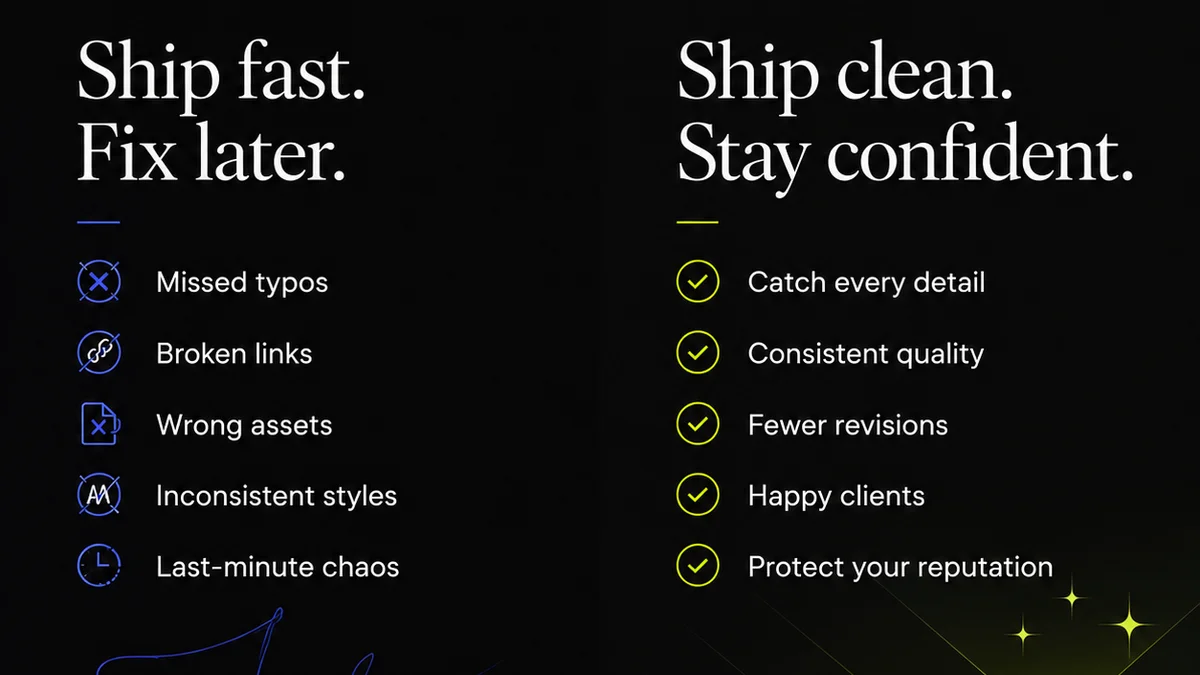
Managing client feedback and revisions for marketing assets can be chaotic. This chaos often leads to overlooked details, including accessibility considerations.
Revue helps centralize the entire creative review process. This means:
- Clear Feedback Trails: Ensure accessibility requirements are discussed and addressed throughout the project lifecycle, not just at the end.
- Version Control: Track revisions to ensure accessibility updates aren't lost.
- Approval Workflows: Build in checkpoints specifically for accessibility reviews before final sign-off.
- Centralized Asset Management: Keep all final, accessible assets in one place, reducing the risk of using outdated or non-compliant versions.
By integrating accessibility checks into your workflow, you move it from an afterthought to a standard practice. Revue provides the visibility needed to make that happen.
Final Thought
Is your FinTech marketing truly inclusive, or are you just compliant?
Consider the user journey from their first ad click to their first successful transaction. Where are the hidden barriers?
Building for accessibility is building for a better future—for your users and your business.
Frequently asked questions
What are the key WCAG guidelines relevant to marketing?
While WCAG covers a broad range, for marketing, focus on Perceivable (e.g., alt text, captions, color contrast), Operable (e.g., keyboard navigation, clear focus indicators), and Understandable (e.g., clear language, predictable navigation) principles. Ensure text has sufficient contrast, images have alt text, videos have captions and transcripts, and content is written clearly.
How can I ensure my PDF marketing materials are accessible?
To make PDFs accessible, they must be tagged correctly. This involves using proper document structure (headings, lists, paragraphs) within your authoring software (like Adobe InDesign or Word) before exporting to PDF. Ensure images have alt text and that the reading order is logical. Test with a screen reader.
Is accessibility only for users with disabilities?
No. Accessibility benefits everyone. Clear language helps non-native speakers. Captions help people in noisy environments. Good contrast helps users in bright sunlight. Simple navigation aids all users. It's about creating a better, more robust experience for all.
How often should I review my marketing assets for accessibility?
Accessibility should be an ongoing consideration, not a one-time check. Review assets whenever they are created or updated. Integrate accessibility checks into your standard content creation and approval workflow. Regular audits of your website and key marketing materials are also recommended.