Everyone agrees that managing brand assets is critical. You need a central place for logos, fonts, and guidelines, right? That’s the common wisdom. But it’s incomplete.
The hard truth? Simply storing assets isn’t enough. True brand asset governance is about control, consistency, and intelligent distribution — especially when your team spans time zones and continents.
1. Beyond Storage: Understanding True Governance
Many teams think a shared drive or a cloud storage solution suffices for brand assets. This is a flawed approach. It assumes all assets are equal and all users have the same needs.
Real governance involves more than just housing files. It requires a system that actively manages:
- Version control: Ensuring only the latest approved versions are accessible.
- Access permissions: Restricting who can view, download, or edit specific assets.
- Usage rights: Tracking and enforcing licensing and usage limitations.
- Distribution: Getting the right assets to the right people at the right time, globally.
- Compliance: Adhering to legal and brand standards across all markets.
This is where dedicated brand asset governance tools shine, offering capabilities far beyond simple file storage.
2. Key Features for US Teams with Global Reach
When selecting a tool, US-based teams need to consider features that bridge geographical and operational gaps. What works for a single office won’t cut it for a distributed workforce.
Centralized Digital Asset Management (DAM)
A robust DAM is the bedrock. It needs to be more than a folder structure. Look for intelligent tagging, metadata management, and powerful search functionality so users can find what they need, instantly.
Global Accessibility and Performance
Latency kills productivity. Your chosen tool must offer reliable, fast access for teams in different regions. This often means distributed servers or Content Delivery Networks (CDNs).
Version Control and Audit Trails
Mistakes happen. Knowing which version is current and who made changes is non-negotiable. A clear audit trail helps resolve disputes and maintain brand integrity. This is critical for maintaining brand consistency across all markets.
Rights Management and Compliance Tracking
Global operations mean navigating diverse legal landscapes. Your tool should help track expiration dates for licenses, regional usage restrictions, and ensure compliance with local regulations. This prevents costly legal missteps.
Integration Capabilities
Your DAM shouldn’t live in a silo. It needs to integrate with other tools your creative and marketing teams use daily, such as design software (Adobe Creative Cloud, Figma), project management platforms, and CMS systems. Seamless integration ensures assets flow efficiently through the entire creative workflow.
User Experience and Onboarding
A complex system that no one uses is useless. The interface should be intuitive, and onboarding for new users (especially those in different time zones) must be straightforward. This drives adoption and reduces errors.
3. Top Considerations for US-Based Global Teams
The US market often sets a fast pace, but operating globally adds layers of complexity. Your governance tool must account for this.
Scalability
As your brand presence expands, so will your asset library and user base. The tool must scale without performance degradation or prohibitive cost increases.
Security
Protecting your brand’s intellectual property is paramount. Robust security features, including encryption, secure login protocols, and role-based access control, are essential.
Analytics and Reporting
Understanding how assets are being used, by whom, and where provides invaluable insights. Reports can highlight underutilized assets, popular content, and potential compliance issues.
Support and Training
When issues arise, especially across different time zones, responsive and knowledgeable support is crucial. Look for vendors with global support capabilities or extended hours that accommodate US teams.
4. Evaluating Specific Tool Categories
While many tools exist, they generally fall into a few categories, each with pros and cons for global brand asset governance.
Dedicated Digital Asset Management (DAM) Systems
These are purpose-built for managing digital assets. They offer the most comprehensive features for governance, including advanced metadata, workflows, and integrations. Examples include Bynder, Brandfolder, Canto, and Widen.
- Pros: Feature-rich, highly customizable, designed for scale and complex workflows.
- Cons: Can be more expensive, steeper learning curve, requires dedicated administration.
Cloud Storage with Enhanced Features
Platforms like Google Drive, Dropbox Business, or Box offer more than basic file storage. They provide versioning, permissions, and some integration capabilities. However, they lack the specialized governance features of a DAM.
- Pros: Familiar interface, often already in use, cost-effective for basic needs.
- Cons: Limited metadata and search, weak rights management, not built for complex brand governance.
Product Information Management (PIM) Systems
While primarily for product data, some PIMs have strong asset management components, especially for e-commerce. They can be a good fit if your assets are heavily tied to product SKUs.
- Pros: Excellent for product-centric businesses, centralizes product data and assets.
- Cons: Less flexible for marketing or general brand assets, may not have broad creative tool integrations.
5. Where Revue Fits In
While Revue isn’t a primary brand asset governance tool in the same vein as a DAM, it plays a crucial supporting role within the creative workflow. It’s where the *application* of those governed assets is managed and refined.
Revue excels at centralizing client feedback on creative work that *uses* your brand assets. This means:
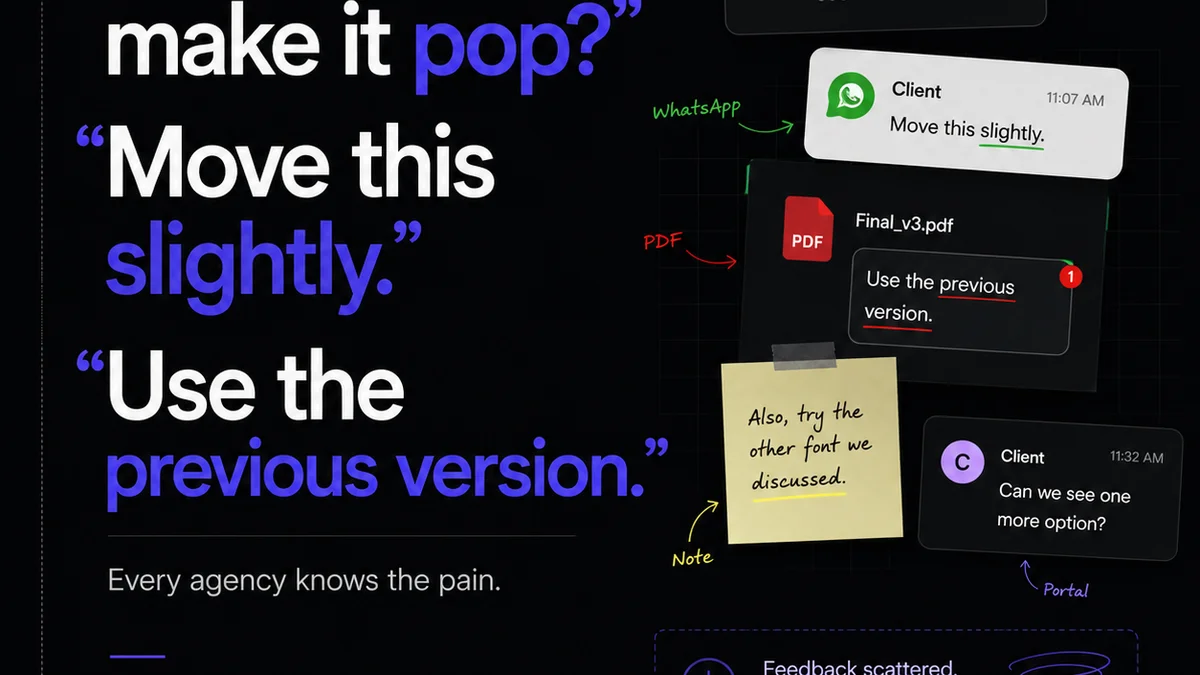
- Visibility: All feedback on designs, copy, or videos lives in one place, linked to the specific project. No more hunting through emails or Slack channels for approvals.
- Revision Management: Track every iteration and ensure that approved versions, created using your governed assets, are the ones being worked on.
- Quality Checks: By having clear feedback and approval stages, you inherently build in quality control, ensuring the final output aligns with brand standards and client expectations.
Think of it this way: a DAM ensures you have the correct, approved logo. Revue ensures that logo is used correctly in the client’s latest campaign creative, and that the client has approved that specific usage.
6. Implementing a Global Governance Strategy
Getting global brand asset governance right requires more than just software. It demands a strategic approach.
1. Audit Your Current Assets
Know what you have, where it lives, and its current status (approved, expired, etc.). This is a critical first step before migrating or organizing.
2. Define Clear Governance Policies
Establish rules for asset creation, usage, naming conventions, metadata, and access. Document these clearly.
3. Classify and Tag Assets Intelligently
Use a consistent taxonomy and rich metadata. This makes assets searchable and manageable at scale.
4. Map User Roles and Permissions
Define who needs access to what, and what actions they can perform. Implement this rigorously in your chosen tool.
5. Train Your Teams
Ensure all users, regardless of location, understand the system and the policies. Provide ongoing training and support.
6. Automate Where Possible
Leverage workflows and integrations to automate tasks like approvals, notifications, and asset distribution.
7. Regularly Review and Adapt
Brand needs and technology evolve. Periodically review your governance strategy and tool effectiveness.
Final Thought
Is your brand asset management system truly governing your assets, or just storing them? The distinction is critical for maintaining brand integrity and operational efficiency in a globalized world. The right tools, combined with clear policies, are essential for ensuring every touchpoint, no matter where it originates, reflects your brand’s intended message.
Frequently asked questions
What is the primary difference between a DAM and cloud storage for brand assets?
A Digital Asset Management (DAM) system is purpose-built for governing brand assets, offering advanced features like metadata, version control, rights management, and workflows. Cloud storage (like Google Drive or Dropbox) primarily offers file storage and basic sharing, lacking the robust governance and control features needed for comprehensive brand management.
How can US teams ensure global accessibility with brand asset tools?
Choose tools that utilize Content Delivery Networks (CDNs) or have distributed server infrastructure. This ensures assets are cached closer to users worldwide, minimizing latency and providing fast, reliable access regardless of location.
What are the key benefits of using a brand asset governance tool for a global brand?
Key benefits include maintaining brand consistency across all markets, ensuring compliance with usage rights and regulations, improving operational efficiency by making assets easily findable, reducing the risk of using outdated or incorrect assets, and protecting intellectual property.
Can a tool like Revue replace a dedicated DAM system?
No, Revue is not a direct replacement for a DAM. While a DAM manages the storage, organization, and control of brand assets, Revue focuses on centralizing client feedback and managing the revision and approval process for creative projects that *use* those assets. They serve complementary functions within the creative workflow.