Everyone talks about brand governance. It’s the bedrock of a consistent, recognizable brand, especially across different regions and teams. You’ve seen the polished brand books, the extensive style guides, the global brand strategy decks. They look impressive. They feel comprehensive.
None of that is wrong. But it’s incomplete.
The hard truth is that most global brand governance efforts fail because they focus too much on the *assets* and not enough on the *operations*. They’re built on documentation, not on workflow. They assume that if the rules are written down, people will follow them. They don't.
1. Define Your Core Brand Pillars (The Non-Negotiables)
Before you can govern anything, you need to know what you're governing. This isn't about listing every single color code and font weight. It's about identifying the absolute, non-negotiable elements that define your brand's soul.
What Makes You, You?
Think about the essence of your brand. What are the 2-3 core values or personality traits that must be present in every single piece of communication, no matter where it originates?
- Is it playful and irreverent?
- Is it serious and authoritative?
- Is it minimalist and sophisticated?
- Is it bold and energetic?
These are your north stars. Everything else flows from here. Without this clarity, your governance efforts will become a tangled mess of arbitrary rules.
2. Map Your Global Ecosystem (Who Does What, Where?)
A global brand isn't managed by a single person in a single office. It's a complex network of teams, agencies, freelancers, and partners spread across time zones and cultures. You need to understand this ecosystem intimately.
Identify Key Stakeholders and Touchpoints
Who is creating content? Who is approving it? Who is distributing it? Where are these activities happening?
- Marketing teams (central, regional, local)
- Creative agencies (global, local)
- Product teams
- Sales teams
- Legal and compliance departments
- External partners and vendors
For each stakeholder group, understand their role in brand creation and dissemination. Map out the critical touchpoints where brand assets are used or decisions are made. This isn't just about listing names; it's about understanding the flow of information and assets.
3. Document Core Brand Assets (The Essentials, Not the Exhaustive)
Yes, you need brand guidelines. But make them accessible and focused on the essentials. The goal is clarity, not encyclopedic detail that no one will read.
Prioritize Usability Over Volume
What are the absolute must-haves for anyone creating brand-aligned materials?
- Primary and secondary logos (with clear usage rules)
- Core color palette (primary, secondary, accent)
- Key typography (primary headlines, body copy)
- Brand voice and tone guidelines (with examples)
- Imagery style and guidelines
- Key messaging and value propositions
This documentation should be easily searchable and digestible. Think of it as a quick-start guide, not a doctoral thesis. Link to more detailed resources where necessary, but keep the core accessible.
4. Establish Clear Approval Workflows (Who Signs Off, and How?)
This is where most global brand governance initiatives crumble. Without clear, efficient approval processes, regional teams will either bypass central oversight or get bogged down in endless feedback loops.
Define Roles and Responsibilities for Approvals
Who has the final say on what? What are the escalation paths if consensus can't be reached?
- Define approvers for different asset types (e.g., campaign creative, website copy, social media posts).
- Specify timelines for feedback and approval.
- Outline clear criteria for approval (Does it align with brand pillars? Is it legally compliant? Is it culturally appropriate?).
- Ensure there's a mechanism for regional input *before* final approval, not just after.
This requires tooling. Trying to manage global approvals via email chains is a recipe for disaster. You need a system that tracks versions, comments, and approvals transparently.
5. Implement Centralized Feedback and Revision Management
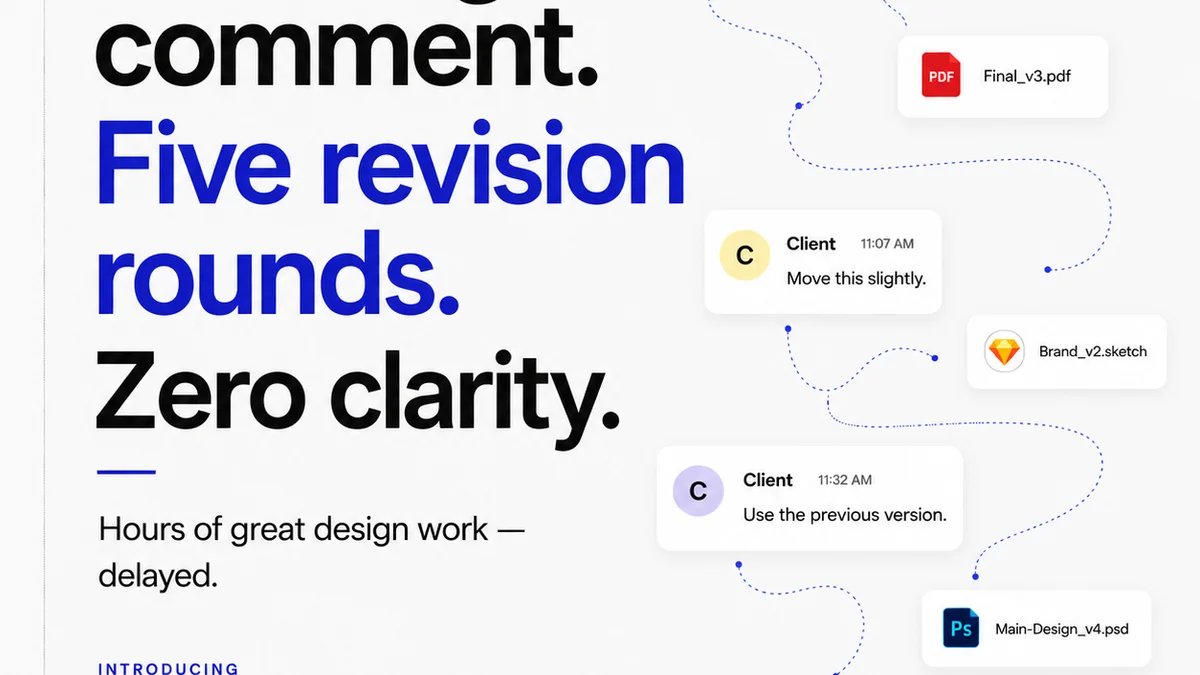
The back-and-forth of creative revisions is a major bottleneck. When feedback is scattered across emails, Slack messages, and random documents, it breeds confusion and inconsistency.
Single Source of Truth for Feedback
Every piece of feedback, every revision request, every sign-off should live in one place. This eliminates the “which version are we on?” problem.
- Consolidate all stakeholder feedback on a single asset.
- Track the history of revisions and decisions made.
- Ensure all comments are visible to relevant parties.
- Automate notifications for new feedback or status changes.
This transparency is crucial for maintaining brand integrity and keeping projects moving. It ensures everyone is working from the same set of instructions.
6. Conduct Regular Quality Assurance and Audits
Governance isn't a one-time setup; it's an ongoing practice. You need to ensure that the established processes are being followed and that the brand remains consistent in the wild.
Proactive Monitoring and Correction
Don't wait for a crisis to audit your brand's presence. Schedule regular checks.
- Perform periodic audits of regional marketing materials.
- Review website content and social media channels for brand compliance.
- Gather feedback from regional teams on the effectiveness of governance processes.
- Identify areas of drift and address them proactively.
These audits should focus not just on visual elements but also on messaging, tone, and overall brand experience. Use the findings to refine your guidelines and workflows.
7. Foster Brand Champions and Education
Even the best governance system needs people to believe in it. You need individuals within each region and team who are passionate about the brand and understand the importance of governance.
Empowerment Through Understanding
Make sure everyone involved understands *why* governance matters, not just *what* the rules are.
- Provide ongoing training on brand guidelines and best practices.
- Identify and empower local brand champions who can advocate for consistency.
- Create forums for sharing best practices and learnings across regions.
- Celebrate successful examples of brand consistency.
When people understand the strategic value of brand governance, they are more likely to buy in and actively participate. It shifts from being a set of restrictions to a framework for success.
Where Revue Fits In
Managing global brand governance effectively requires robust operational support. You need systems that facilitate clear communication, streamlined approvals, and centralized tracking.
Revue is built for this. It provides a single platform to manage client feedback, track revisions, and ensure brand assets meet quality standards before they go live. By centralizing all communication and approvals around creative assets, Revue helps global teams maintain brand consistency without sacrificing speed or efficiency. It’s the operational backbone that makes your global brand governance checklist a reality, not just a document.
Final Thought
Global brand governance is often seen as a top-down mandate, a set of rigid rules imposed by headquarters. But the most successful governance isn't about control; it's about enabling consistency through clarity, collaboration, and efficient processes. Are your governance efforts enabling your teams, or are they creating roadblocks?
Frequently asked questions
What are the core components of a global brand governance strategy?
A strong global brand governance strategy includes defining non-negotiable brand pillars, mapping your global stakeholder ecosystem, documenting essential brand assets, establishing clear approval workflows, implementing centralized feedback and revision management, conducting regular quality assurance audits, and fostering brand champions through education.
How can I ensure regional teams adhere to brand guidelines?
Adherence is best achieved through clear, accessible documentation, well-defined approval processes with regional input, centralized feedback systems like Revue, ongoing training, and empowering local brand champions. Focus on the 'why' behind the guidelines, not just the 'what'.
What is the difference between brand guidelines and brand governance?
Brand guidelines are the documentation (logos, colors, voice). Brand governance is the operational system and processes that ensure those guidelines are understood, applied, and enforced consistently across all regions and teams. Governance is the 'how' to the guidelines' 'what'.
How often should brand governance audits be conducted?
The frequency depends on the pace of your marketing and creative output. However, regular audits—quarterly or bi-annually—are recommended to catch inconsistencies early. For rapidly evolving brands or markets, more frequent checks might be necessary.