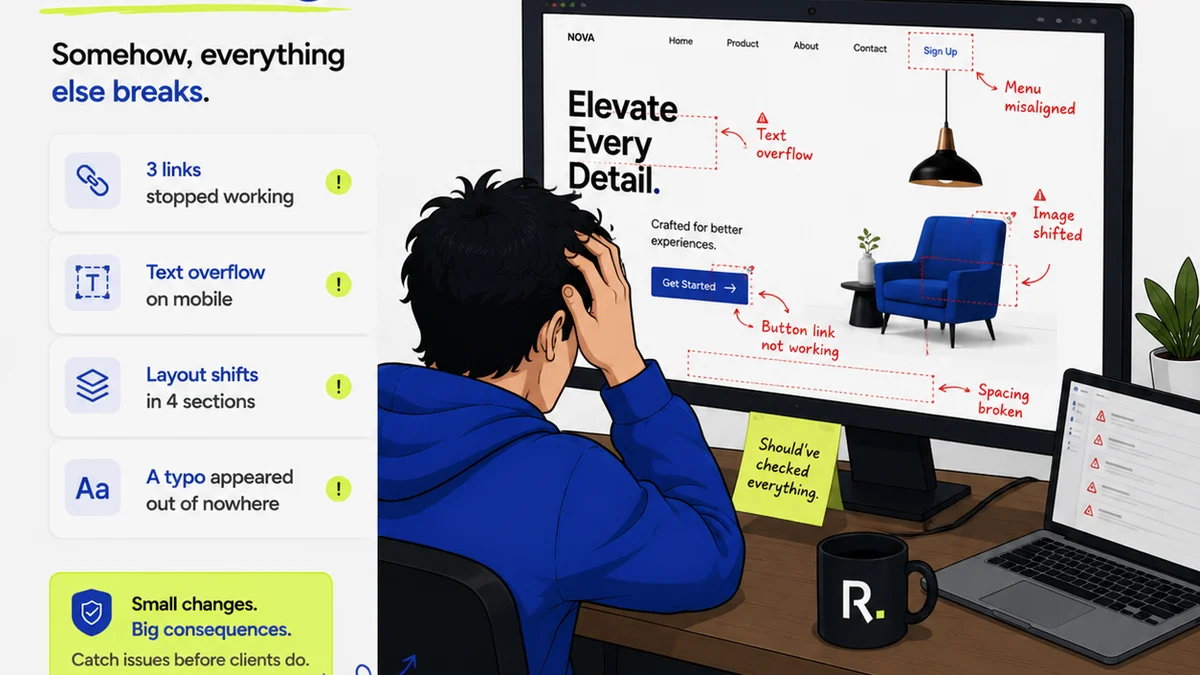
You’ve probably heard that “global creative approvals software” is the key to streamlining international client work. That it’s about faster turnarounds, happier clients, and fewer mistakes. None of that is wrong. But it’s incomplete.
The hard truth is, most software marketed for this purpose offers a surface-level fix. It might organize files or track versions, but it doesn’t solve the core operational challenges that plague global creative workflows. Real efficiency comes from understanding and addressing the friction points that exist long before a file hits a review link.
1. Beyond File Sharing: Centralizing the Conversation
Many agencies think of creative approvals software as a glorified Dropbox with annotation tools. They upload a file, send a link, and wait for feedback. This approach misses the point entirely. The real problem isn't where the file lives; it's where the *context* lives.
Think about it:
- Where is the original brief?
- What were the client's initial strategic goals?
- Which stakeholder approved the previous revision, and on what basis?
- What specific feedback was given verbally in that last sync call?
- What are the brand guidelines for this particular market?
When this information is scattered across emails, Slack threads, meeting notes, and personal docs, the approval process becomes a guessing game. It’s ripe for misinterpretation and costly rework.
The Illusion of Centralization
Some tools offer a central dashboard. But if that dashboard only shows the latest version of a design file without its accompanying strategic rationale or prior feedback history, it’s a false sense of security. You’re centralizing the *output*, not the *intelligence*.
The right global creative approvals software needs to be a single source of truth for the *entire project lifecycle*. Not just the final polish.
2. Managing Revisions: Visibility, Not Just Version Control
Version control is table stakes. You expect software to track `v1`, `v2`, `v3`. But what’s often missing is the *why* behind each revision. Was `v2` a result of a minor tweak, a major strategic pivot, or a misunderstanding of the brief?
Without this visibility, you’re flying blind.
The Blind Revision Cycle
Imagine a client sees `v3` and says, “I don’t like it.” Without context, what does that even mean? They might be reacting to a color change that was requested in `v2`, or a fundamental layout shift that wasn’t properly signed off. Your team scrambles, making changes based on vague input, only to find the client dislikes the *next* version for a different, equally unclear reason.
This leads to:
- Endless, unproductive revision cycles.
- Frustrated designers and account managers.
- Demotivated clients who feel their feedback isn’t being heard or understood.
- Projects dragging on, impacting profitability.
Connecting Feedback to Action
Effective approvals software should link every piece of feedback directly to the specific version it pertains to. More importantly, it should allow for clear confirmation of whether that feedback was actioned, rejected, or deferred, with a justification. This creates an irrefutable audit trail and ensures everyone understands the evolution of the creative work.
3. Quality Checks: Integrating Standards, Not Just Catching Errors
Many creative teams rely on manual checklists or tribal knowledge for quality assurance. This is inefficient and prone to human error, especially when dealing with global variations in standards, regulations, or cultural nuances.
The idea that software can *ensure* quality is a bit of a stretch. But it *can* facilitate and enforce the checks you define.
The Manual Bottleneck
A designer might build a banner ad. Before it goes out, someone is supposed to check:
- Is it the correct size?
- Does it meet the ad platform's specs?
- Is the copy aligned with the regional campaign?
- Are the images licensed for use in that territory?
- Does it adhere to accessibility standards (e.g., WCAG)?
If these checks are done ad-hoc, they often get skipped under pressure. Or worse, they're done inconsistently across different teams or regions.
Automating and Standardizing Checks
Global creative approvals software should allow you to build these quality checkpoints directly into the workflow. Think of it as embedding your QA process. For example:
- Mandatory fields for campaign details before upload.
- Automated checks for file dimensions or format compliance.
- Integration points for brand guideline validation.
- Clear sign-off stages for legal or regional compliance review.
This isn't about the software magically making work perfect. It's about building a robust, repeatable process that catches issues *before* they become expensive problems.
4. Stakeholder Management: Clarity Across Time Zones and Cultures
Approving creative work globally means dealing with different time zones, languages, cultural expectations, and levels of design literacy. What seems like clear feedback to a designer in London might be confusing to a marketing manager in Tokyo.
The software itself doesn't fix cultural gaps, but it can provide the structure to bridge them.
The Communication Breakdown
Misunderstandings are inevitable when feedback is:
- Delivered late at night for one party.
- Translated poorly, losing nuance.
- Vague due to differing communication styles (direct vs. indirect).
- Provided by individuals who haven't seen the full project context.
This often results in feedback loops that aren't just long, but fundamentally broken. You're not just waiting for approval; you're waiting for clarification on the approval.
Structured Input and Clear Roles
The ideal platform clarifies who needs to approve what, by when, and based on what criteria. It should support:
- Defining clear roles and permissions for different stakeholders.
- Setting tiered approval workflows (e.g., regional marketing first, then global brand).
- Providing a space for consolidated, actionable feedback, rather than a firehose of individual comments.
- Potentially offering multilingual support or standardized feedback templates.
This structure helps ensure that feedback is not only received but is also understood and actionable, regardless of where your stakeholders are located.
5. Where Revue Fits In
This is where a tool like Revue shines. It’s built from the ground up to address these operational realities of creative production and client collaboration.
Revue isn't just another file-sharing service. It’s a centralized hub designed to bring clarity and control to the entire creative process. You can consolidate client feedback, manage revisions with full visibility into the decision-making process, and build in quality checks that ensure consistency and compliance across global projects.
With Revue, you can:
- Centralize Feedback: Keep all client comments, stakeholder input, and internal reviews in one place, tied directly to the specific creative asset and project context. No more hunting through emails or chat logs.
- Manage Revisions Seamlessly: Track every iteration, understand the rationale behind changes, and get clear sign-offs. This eliminates ambiguity and prevents endless back-and-forth.
- Ensure Quality: Build custom checklists and approval stages directly into your workflow to enforce brand standards, technical specifications, and regional compliance.
- Gain Visibility: Provide clients and internal teams with a clear, real-time overview of project status, pending approvals, and revision history, breaking down communication silos across time zones.
Revue helps transform the chaotic reality of global creative approvals into a predictable, manageable, and ultimately more profitable workflow.
Final Thought
The quest for the perfect global creative approvals software often leads agencies down a rabbit hole of feature checklists. But the real value lies not in the features themselves, but in how they solve fundamental workflow problems. Are you looking for software that just moves files around, or are you looking for a system that brings genuine clarity, control, and confidence to your entire creative production process?
Frequently asked questions
What is the biggest misconception about global creative approvals software?
The biggest misconception is that it's just about file sharing or version control. In reality, truly effective software needs to centralize project context, manage the 'why' behind revisions, and integrate quality checks, not just manage the 'what'.
How can creative approvals software improve communication across time zones?
By providing a single, clear platform for all feedback and approvals, structured workflows, and defined roles, the software reduces reliance on real-time communication. It ensures everyone has access to the same information and context, regardless of their working hours.
Can software automate quality checks for creative work?
While software can't 'guarantee' creative quality, it can automate and enforce predefined quality checks. This includes verifying file formats, dimensions, adherence to brand guidelines, and ensuring all necessary compliance steps are completed before final approval.
What is the role of context in the creative approval process?
Context is crucial. It includes the original brief, strategic goals, previous feedback, and brand guidelines. Without this context, feedback can be misinterpreted, leading to endless revisions and project delays. Good software keeps this context readily available.