Everyone thinks they know what graphic design costs. They see a logo price here, a website design quote there, and assume it’s all about pixels and aesthetics. None of that is wrong. But it’s incomplete.
The hard truth is, the cost of graphic design for US businesses isn't just about the final output. It’s about the strategy, the process, the revisions, and the long-term value. It’s an investment, not just an expense.
1. The True Cost of Design: Beyond the Hourly Rate
When you ask about graphic design costs, you're often met with hourly rates. Agencies might charge $75-$250+ per hour. Freelancers can range from $25-$150+ per hour. But this number alone is misleading.
A low hourly rate doesn't guarantee a low project cost. A designer who charges more might be faster, more experienced, and require fewer revisions, ultimately saving you money and time.
Consider these factors that influence the total cost:
- Experience Level: Junior designers cost less than senior art directors.
- Location: Agencies in major cities often have higher overhead and thus higher rates.
- Specialization: Niche expertise (e.g., UI/UX for SaaS, medical illustration) commands higher fees.
- Scope of Work: A simple flyer is vastly different from a full brand identity system.
- Turnaround Time: Rush jobs almost always incur premium pricing.
Think of it like hiring a contractor. A cheap handyman might take twice as long and do a shoddy job. A skilled professional costs more upfront but delivers quality and efficiency.
2. Understanding Design Project Pricing Models
Beyond hourly billing, designers and agencies use other models to price their work. Understanding these helps you interpret quotes and budget more accurately.
A. Fixed-Price Projects
This is common for well-defined projects like logo design, brochure layouts, or website mockups. You get a clear quote for a specific deliverable.
- Pros: Predictable budget, clear scope.
- Cons: Can be costly if the scope is underestimated by the designer, or if you make significant changes mid-project.
Always ensure the scope is meticulously defined in the contract. What exactly is included? How many rounds of revisions?
B. Retainer Agreements
Ideal for ongoing design needs. You pay a set monthly fee for a block of hours or a defined scope of work. This is common for marketing collateral, social media graphics, or website updates.
- Pros: Ensures dedicated resources, often at a slightly reduced hourly rate compared to ad-hoc projects.
- Cons: You might pay for unused hours if your needs fluctuate wildly.
A retainer offers predictability for both parties. It allows the design team to become familiar with your brand, leading to more efficient and consistent work over time.
C. Value-Based Pricing
This is less common for smaller projects but prevalent in strategic branding or complex web design. The price is based on the perceived value and ROI the design will bring to your business, not just the hours spent.
- Pros: Aligns cost with business impact, can be highly lucrative for agencies delivering significant results.
- Cons: Can be harder to quantify and justify to clients unfamiliar with the concept.
This model requires a deep understanding of the client's business goals and a strong portfolio demonstrating past success.
3. Key Factors Influencing Graphic Design Costs
Several elements directly impact the final price tag of any graphic design project. Let’s break them down.
A. Project Complexity and Scope
A simple social media graphic is worlds apart from a comprehensive brand guideline document or a multi-page website. The more elements, research, iterations, and deliverables involved, the higher the cost.
- Simple: Business card, single social media post, basic flyer.
- Moderate: Logo design, brochure, presentation deck, email template.
- Complex: Full brand identity system, website design (UI/UX), packaging design, app interface.
Be specific about what you need. Ambiguity leads to scope creep and budget overruns.
B. Research and Strategy
Good design isn't just pretty pictures. It's strategic. Projects requiring market research, competitor analysis, user persona development, or deep dives into your business objectives will naturally cost more.
This foundational work ensures the design is not just aesthetically pleasing but also effective in achieving your business goals. Don't skip this step if you want real impact.
C. Number of Revisions
Most quotes include a set number of revision rounds (typically 2-3). Each additional round adds time and therefore cost. Unclear initial briefs or indecisive stakeholders are the primary drivers of excessive revisions.
Define your approval process clearly upfront. Who signs off? What constitutes a 'revision' versus a 'new request'?
D. Deliverables and File Formats
What do you actually need at the end? Source files (like .ai, .psd, .fig)? Print-ready PDFs? Web-optimized JPEGs/PNGs? Vector files for scalability? The more formats and types of files required, the more time the designer spends preparing them.
High-fidelity prototypes for websites or apps also represent significant time investment.
E. Turnaround Time
Need it yesterday? Expect to pay a premium. Expedited service requires designers to drop other work, potentially work overtime, and prioritize your project. This is standard practice across most service industries.
Factor realistic timelines into your project planning. Rushing creative often leads to compromises in quality.
4. Estimating Costs by Project Type (US Businesses)
While every project is unique, here are some general ballpark figures for common graphic design needs in the US market. These are estimates and can vary wildly based on the factors above.
A. Logo Design & Basic Branding
- Logo Design Only: $300 - $2,500+ (Freelancer to small agency)
- Basic Brand Identity (Logo, color palette, typography): $1,500 - $7,500+
- Full Brand Identity System (Logo, guidelines, stationery, basic collateral): $5,000 - $25,000+
B. Marketing Collateral
- Business Cards: $100 - $500
- Flyers/Postcards (per design): $250 - $1,000
- Brochures (per page/spread): $200 - $800
- Infographics: $500 - $3,000+
- Presentation Decks (per slide/template): $100 - $500
C. Digital Design
- Social Media Graphics (per post): $75 - $300
- Website Banners/Ads (per design): $150 - $600
- Email Newsletter Template: $300 - $1,500
- Website Design (UI/UX - depends heavily on complexity): $3,000 - $50,000+
- App UI Design: $10,000 - $100,000+
Remember, these are rough guides. A startup needing a quick logo might find a talented freelancer for $500. A Fortune 500 company rebranding requires a multi-month, six-figure engagement.
5. Where Revue Fits In
Managing graphic design projects involves more than just initial creation. It's about the entire lifecycle: feedback, revisions, and approvals. This is where operational friction often occurs, driving up costs and delaying timelines.
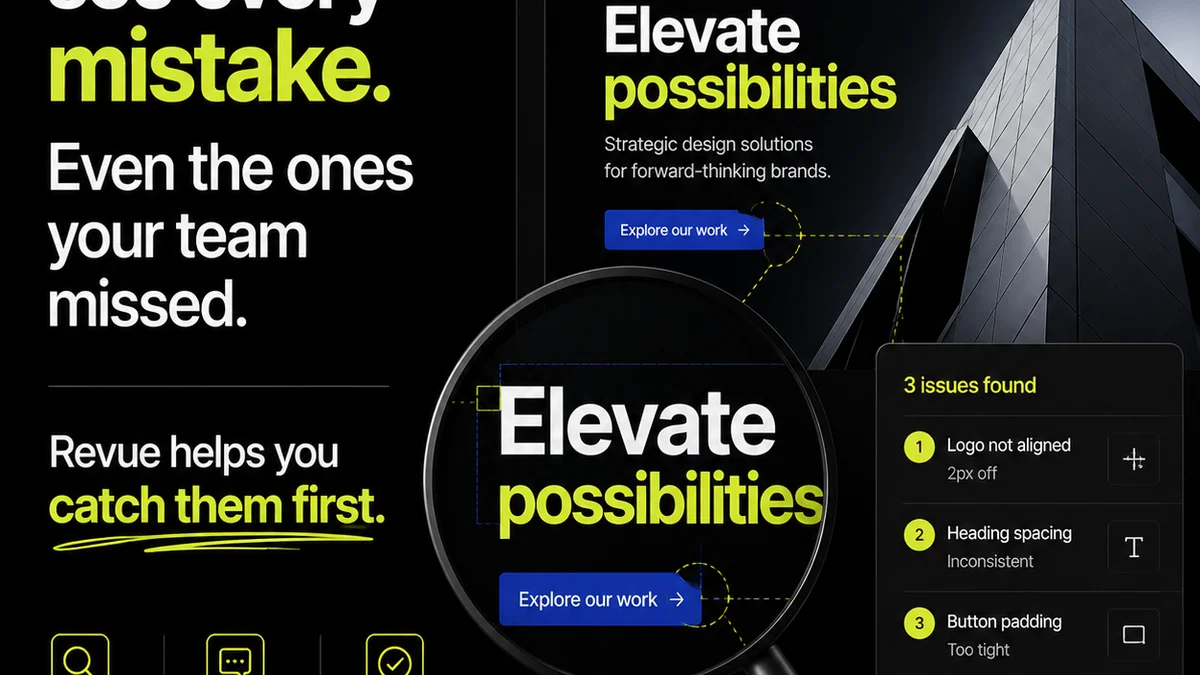
Centralizing client feedback is crucial. Instead of scattered email chains and ambiguous Slack messages, a platform like Revue allows all stakeholders to comment directly on the visual asset. This contextual feedback minimizes misinterpretations and speeds up the revision process.
Visibility into revision history and approval status prevents costly back-and-forth. When everyone can see what's been changed, who approved what, and what's pending, it reduces confusion and ensures accountability. This streamlined workflow means less wasted designer time and fewer billable hours spent clarifying requests.
Ultimately, efficient review and approval processes lead to faster project completion and happier clients, directly impacting the perceived and actual value of the design services you provide.
6. Getting the Best Value for Your Design Investment
Paying less for design isn't always getting more value. The goal is to find the right balance of cost, quality, and efficiency for your specific needs.
A. Define Your Needs Clearly
Before you even talk to a designer, know what you want to achieve. What is the purpose of this design? Who is the target audience? What are the key messages?
A detailed creative brief is your best friend. It saves time and money by ensuring everyone is aligned from the start.
B. Research Potential Partners
Look beyond the cheapest option. Review portfolios. Check testimonials and case studies. Do their past projects align with your industry and aesthetic preferences?
A good designer or agency understands your business and communicates effectively.
C. Ask Detailed Questions
Don't be afraid to ask about their process, pricing structure, and what's included in the quote. Understand the revision process, file deliverables, and timelines.
Transparency is key to a successful working relationship.
D. Consider the Long-Term Impact
Great design is an investment that pays dividends. A strong brand identity can increase perceived value, attract customers, and build loyalty. Effective marketing collateral drives sales. A user-friendly website converts visitors.
Think about the ROI, not just the initial outlay.
Final Thought
Is the cheapest graphic design always the most expensive in the long run? When you factor in revisions, delays, and potentially ineffective creative, the answer is often yes. The real cost of design is measured not just in dollars spent, but in the business results achieved. How are you measuring the true value of your design investments?
Frequently asked questions
What is a typical hourly rate for a graphic designer in the US?
Hourly rates for graphic designers in the US can vary significantly, typically ranging from $25-$150+ per hour. Freelancers often charge less than established agencies. Factors like experience, location, and specialization heavily influence this rate.
How much does a logo design typically cost?
A basic logo design can range from $300 to $2,500+. More comprehensive branding packages, including brand guidelines and other collateral, can cost significantly more, often starting at $1,500 and going up to $25,000+ depending on the scope and the provider's expertise.
What's the difference between fixed-price and retainer pricing for design services?
Fixed-price projects are quoted for a specific, well-defined deliverable (e.g., a brochure). Retainer agreements involve paying a set monthly fee for ongoing design needs, often at a slightly reduced hourly rate, ensuring dedicated resources over time.
How do revisions affect the cost of graphic design?
Most design quotes include a set number of revision rounds (usually 2-3). Each additional round typically incurs extra charges, as it requires more designer time. Unclear briefs and indecisiveness can lead to increased revision costs.
Is it better to hire a freelancer or an agency for graphic design?
Freelancers are often more cost-effective for smaller, simpler projects. Agencies typically offer a broader range of services, project management, and a team of specialists, making them better suited for complex, large-scale projects requiring strategic input and multiple deliverables.