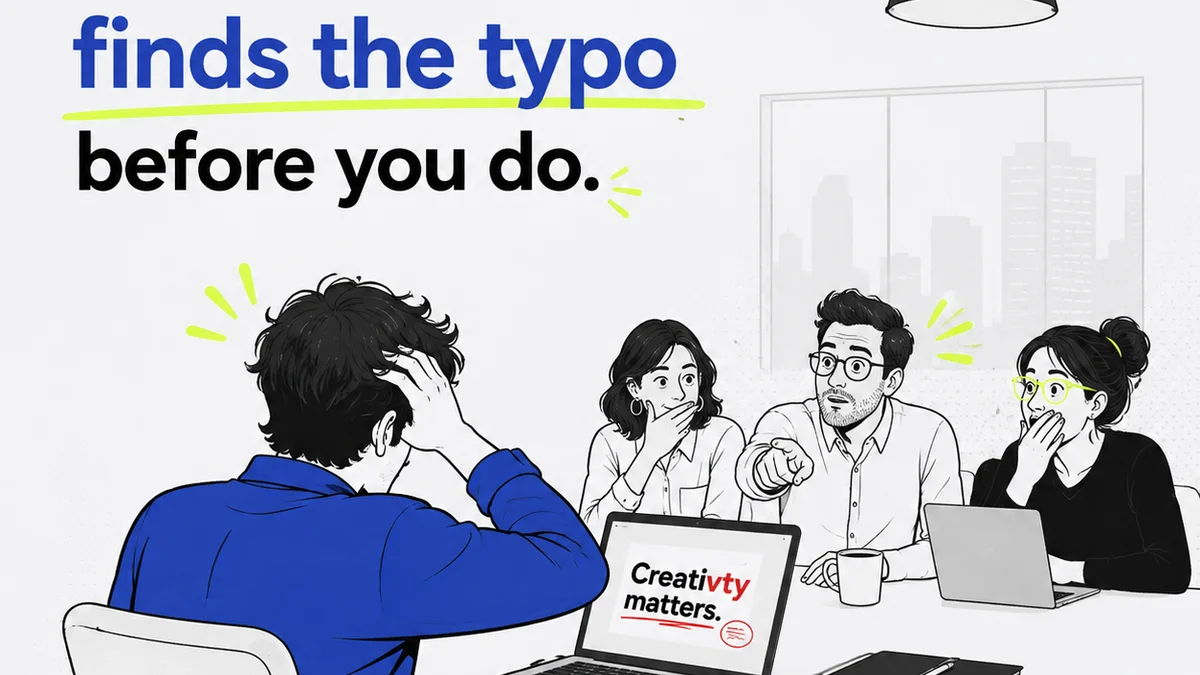
Many legal professionals believe graphic design is a frivolous expense, a vanity project for businesses that can afford it. They think a clean website and a professional letterhead are enough. None of that is wrong. But it’s incomplete.
The hard truth is that effective graphic design is a powerful engine for business growth, even in the traditionally conservative legal sector. It’s not just about looking good; it’s about communicating clearly, building trust, and differentiating your firm in a crowded market.
1. Elevating Brand Perception and Trust
Your firm’s visual identity is the first handshake with potential clients. In law, where trust and credibility are paramount, a strong visual brand is non-negotiable.
Generic or outdated design signals a lack of attention to detail. It suggests your firm might be behind the times, or worse, doesn’t prioritize its client’s experience.
The Impact of Visual Consistency
A consistent visual language across all touchpoints—website, brochures, social media, court filings, even email signatures—builds familiarity and reinforces your brand’s professionalism. This consistency doesn't happen by accident; it requires deliberate design strategy.
Think about the difference between a law firm with a polished, modern website and custom-designed collateral versus one relying on Word templates and clip art. Which one inspires more confidence?
Beyond the Logo: Holistic Design
Brand perception isn’t solely about a logo. It encompasses typography, color palettes, imagery, and layout. Every element should work together to convey your firm’s values—whether that’s approachability, authority, innovation, or meticulousness.
- A clean, minimalist design can convey efficiency and modern expertise.
- A more traditional, serif-heavy aesthetic might signal established gravitas and experience.
- The right imagery can humanize your practice and connect with clients on an emotional level.
Investing in professional graphic design is investing in how the world perceives your firm’s competence and reliability.
2. Enhancing Client Communication and Understanding
Legal matters are complex. Explaining intricate concepts, terms, and processes can be challenging. Graphic design, particularly through data visualization and infographics, can simplify the abstract and make information accessible.
Simplifying Complex Information
Imagine trying to understand a complex contract or a lengthy legal document filled with dense text. Now imagine that same information presented with clear headings, digestible layouts, and supporting infographics. Which is easier to grasp?
Well-designed documents are not just easier to read; they are easier to understand. This clarity can:
- Reduce client confusion and the need for repeated explanations.
- Improve client satisfaction and retention.
- Minimize the risk of misunderstandings that could lead to disputes.
Visualizing Data and Case Histories
For firms dealing with large datasets, financial disputes, or complex case timelines, infographics and charts are invaluable. They can transform raw data into compelling visual narratives.
This is crucial not only for client-facing materials but also for internal strategy and even for presenting evidence in court. Clear visuals can make a powerful argument more persuasive.
Tools like Adobe Illustrator or even advanced features in presentation software can be leveraged by designers to create these impactful visuals.
3. Differentiating in a Competitive Legal Market
The legal market is saturated. To stand out, firms need more than just strong legal acumen; they need a distinct brand presence. Graphic design is a key differentiator.
Cutting Through the Noise
Most law firms look, sound, and act alike. They use similar stock photos, similar website layouts, and similar marketing language. This sameness makes it difficult for potential clients to choose.
A unique visual identity—developed through thoughtful graphic design—helps your firm capture attention and be remembered. It communicates that you are not just another option, but a distinct choice with a unique value proposition.
Targeted Marketing and Outreach
Effective graphic design allows for highly targeted marketing campaigns. Whether you’re aiming for corporate clients, individuals, or specific practice areas, your visuals can speak directly to that audience.
- A sleek, corporate look might appeal to Fortune 500 companies.
- A more approachable, community-focused design could attract local individuals.
- Specialized infographics explaining niche services can attract clients seeking specific expertise.
This targeted approach ensures your marketing efforts are more efficient and effective, leading to better client acquisition.
4. Streamlining Operations and Internal Processes
Graphic design isn't just external-facing. It plays a vital role in internal efficiency, team collaboration, and quality control.
Standardizing Templates and Assets
Professionally designed templates for proposals, presentations, reports, and internal documents save time and ensure brand consistency. When everyone uses the same well-designed templates, the output is consistently polished.
This reduces the burden on individual lawyers or paralegals to
Frequently asked questions
What is the primary benefit of graphic design for a law firm?
The primary benefit is enhanced brand perception and trust. In the legal field, where credibility is paramount, professional graphic design communicates competence, attention to detail, and modernity, making a firm more attractive to potential clients.
How can graphic design improve client communication in legal services?
Graphic design simplifies complex legal information through infographics, data visualization, and clear document layouts. This makes it easier for clients to understand legal processes, terms, and case details, leading to better comprehension and satisfaction.
Is graphic design a worthwhile investment for small law firms?
Yes, even small firms can benefit significantly. A strong visual identity and well-designed marketing materials can help a small firm punch above its weight, attract niche clients, and establish credibility against larger competitors. It's about strategic impact, not just scale.
How does graphic design contribute to a law firm's competitive advantage?
In a crowded legal market, distinctive graphic design helps a firm stand out. A unique visual identity, consistent branding, and targeted marketing visuals differentiate the firm, making it more memorable and appealing to specific client segments.