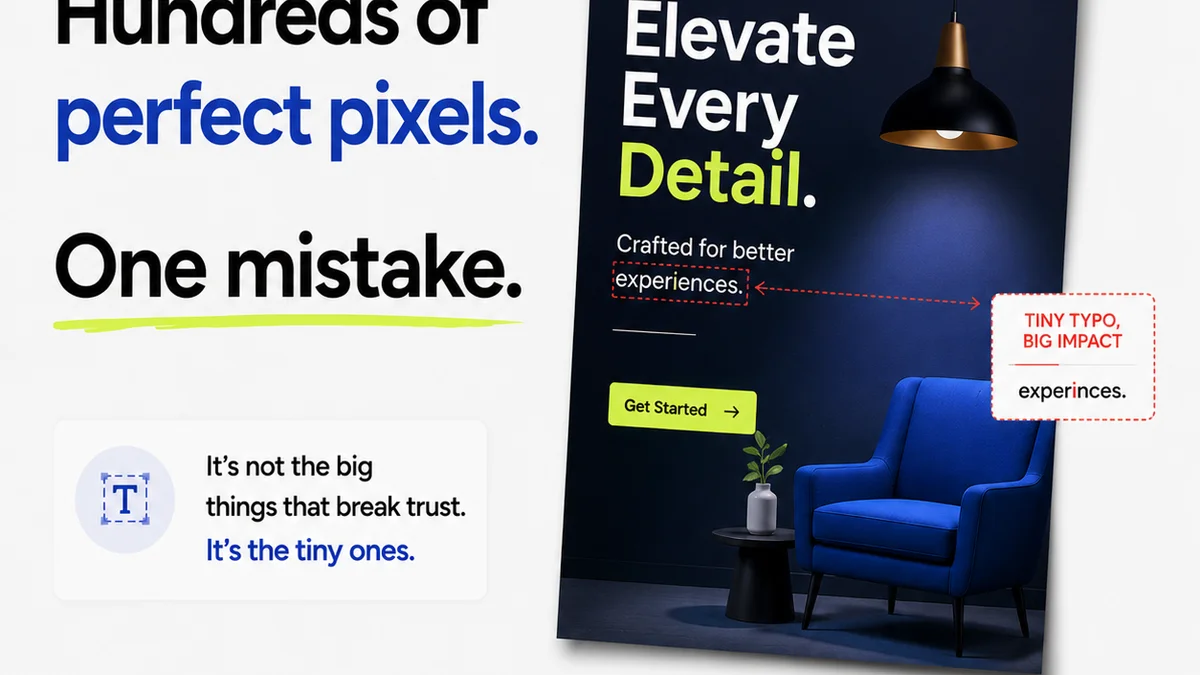
You probably think graphic design in the legal world is all about fancy courtroom visuals and maybe a slick brochure for a law firm. That’s not wrong. But it’s incomplete.
The real story is far more granular, operational, and frankly, more impactful. It’s about how visual communication—when done right—can cut through complexity, ensure accuracy, and build trust in an industry where those things are paramount.
This is the deep dive into graphic design for legal professionals.
1. The Core Challenge: Clarity Over Complication
Legal work is inherently complex. Contracts, case files, and regulatory documents are dense with jargon and intricate details. The primary goal of graphic design in this context isn't to make things look pretty; it’s to make them understandable.
Think about the sheer volume of information a jury, a client, or even a busy partner needs to digest. Good design acts as a cognitive shortcut.
1.1. Decoding Legal Jargon Visually
Legal language is precise, but it can be opaque to outsiders. Visuals can bridge that gap.
- Timelines: Complex case histories become digestible timelines.
- Flowcharts: Litigation processes or contract clauses can be mapped out visually.
- Infographics: Statistical data or complex regulations can be presented clearly.
This isn't about dumbing down the law; it's about making it accessible without sacrificing accuracy.
1.2. Establishing Trust and Credibility
A law firm’s visual identity speaks volumes before a word is even read. Consistency and professionalism are non-negotiable.
A well-designed website, business card, or letterhead signals competence and attention to detail. This translates directly to client confidence.
2. Key Applications of Graphic Design in Legal
Beyond the obvious marketing materials, graphic design plays a critical role in the day-to-day operations and communication within the legal sector.
2.1. Courtroom Presentations and Litigation Graphics
This is where many people first encounter legal design. But it’s not just about dramatic reenactments.
- Evidence Visualization: Turning complex data (financial records, forensic reports) into easy-to-understand charts and diagrams.
- Accident Recreations: Clearly illustrating how an event occurred, based on evidence.
- Document Highlighting: Using visual cues to draw attention to key passages in contracts or testimonies.
The goal is to support arguments, simplify complex evidence, and keep the judge and jury engaged and informed.
2.2. Document Design and Formatting
This is the less glamorous, but arguably more critical, application. Every document leaving a legal practice carries weight.
Contracts and Agreements: Clear typography, logical section breaks, and consistent formatting improve readability and reduce the risk of misinterpretation. Think about how a well-formatted contract guides the eye through obligations and clauses.
Pleadings and Filings: Professional formatting ensures that court documents are taken seriously and meet procedural requirements. Clean layouts prevent essential information from being lost.
Client Communications: Newsletters, reports, and advice letters benefit from clear visual hierarchy. This makes the information easier for clients to absorb and act upon.
Adherence to standards like those found in the Web Content Accessibility Guidelines (WCAG), even for print, can inform best practices for readability and inclusive design.
2.3. Law Firm Branding and Marketing
A law firm is a business. Its brand needs to communicate its specialization, values, and expertise.
- Logos and Visual Identity: A strong logo and consistent brand elements build recognition and trust.
- Website Design: A professional, user-friendly website is often the first point of contact. It needs to clearly articulate services and establish credibility.
- Marketing Collateral: Brochures, business cards, and digital ads should reflect the firm’s professionalism.
This requires an understanding of the target audience – whether that’s corporate clients, individual litigants, or other legal professionals.
2.4. Internal Communication and Training
Even within a firm, clear communication is vital. Graphic design can aid internal processes.
- Onboarding Materials: Visually engaging guides for new hires.
- Process Documentation: Flowcharts and diagrams to explain internal workflows.
- Training Presentations: Making complex legal updates or training sessions more accessible.
3. The
Frequently asked questions
What is the primary goal of graphic design in the legal field?
The primary goal is to enhance clarity, accuracy, and understanding of complex legal information. It aims to make dense documents and data more accessible to clients, juries, and other stakeholders, while also building trust and professionalism for the legal entity.
How can graphic design improve legal documents like contracts?
Graphic design improves legal documents through clear typography, logical visual hierarchy, consistent formatting, and the strategic use of white space. This makes them easier to read, interpret, and navigate, reducing the risk of misinterpretation and ensuring key clauses are not overlooked.
What are examples of litigation graphics?
Examples include evidence visualization (charts, graphs from financial or forensic data), accident recreations, timelines of events, and highlighting key sections of documents to support arguments in court.
Is branding important for law firms?
Yes, branding is crucial. A strong visual identity (logo, consistent design elements across website and marketing materials) helps establish credibility, communicate specialization, and build trust with potential clients in a competitive market.