Everyone’s talking about the next big graphic design trends for 2026. You'll see endless articles predicting bold typography, neon gradients, and maybe even a resurgence of Y2K aesthetics. None of that is wrong. But it’s incomplete.
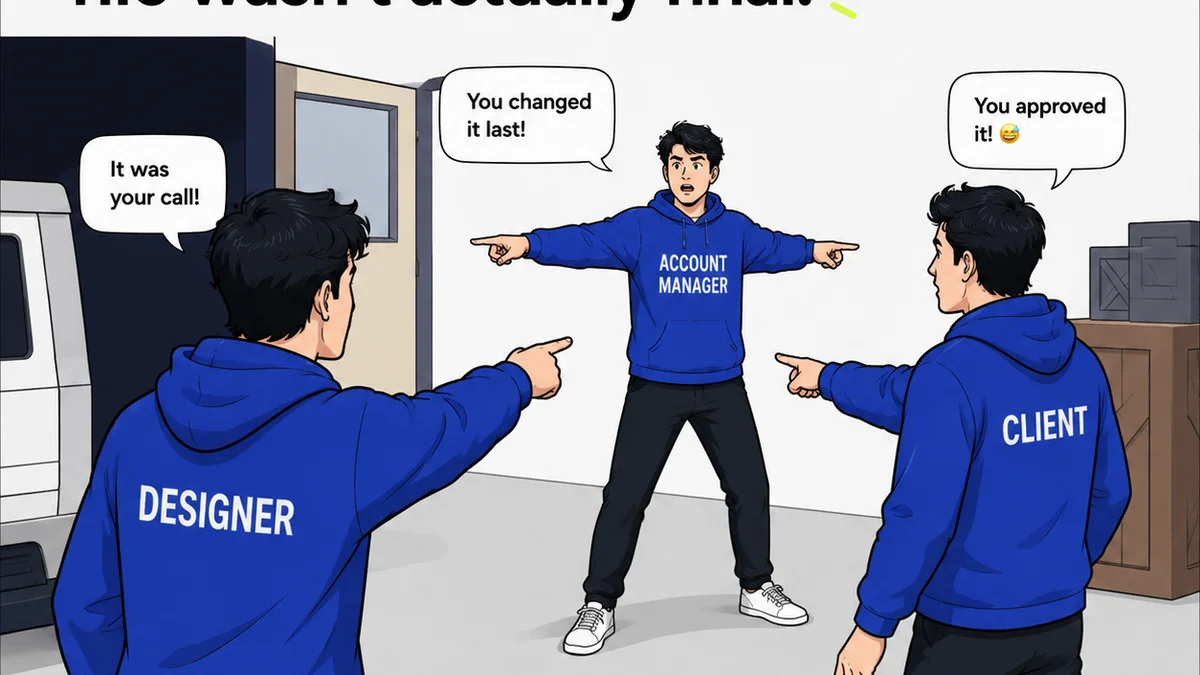
The hard truth? The most impactful graphic design in media for 2026 won’t be about the visuals alone. It will be about the process behind them. It's about how efficiently and effectively creative teams can deliver stunning work that meets client needs and internal quality standards, time after time.
1. The Evolution of Visual Storytelling
Visuals have always been the backbone of media. But in 2026, the demands on visual storytelling are intensifying. It’s not enough to simply look good; designs must communicate complex ideas with clarity and speed.
Narrative Depth Over Surface Appeal
Clients and audiences are more sophisticated. They expect designs to do more than just grab attention. They need to convey a message, evoke an emotion, and drive an action, all within seconds.
- Complex data visualizations that are instantly understandable.
- Brand identities that tell a compelling story across multiple platforms.
- User interfaces that guide users intuitively through a narrative experience.
This requires a deeper understanding of user psychology and a more strategic approach to visual hierarchy and flow.
Authenticity and Relatability
The glossy, airbrushed look is fading. Audiences crave authenticity. This translates into design choices that feel more human, more real, and more connected to everyday experiences.
- Use of natural light and less staged photography.
- Incorporation of diverse representation without tokenism.
- Typography that feels approachable rather than overly stylized.
This shift demands a design process that allows for iteration and feedback to ensure genuine connection.
2. The Operational Imperative: Efficiency as a Design Feature
The biggest
Frequently asked questions
What are the key graphic design trends for 2026 in the media industry?
While visual aesthetics like bold typography and dynamic color palettes will continue to evolve, the most significant 'trend' for 2026 in media graphic design is operational efficiency. This means focusing on streamlined feedback processes, clear revision tracking, and efficient approval workflows to deliver high-quality work faster.
How can agencies stay ahead of design trends while managing client feedback?
The best way to stay ahead is by implementing robust project management tools. These tools centralize feedback, provide a clear audit trail for revisions, and streamline the approval process, freeing up creative time to focus on trend research and innovative design.
Why is operational efficiency becoming a 'design trend'?
As media consumption accelerates and project scopes increase, the ability to deliver polished, on-brand creative work quickly becomes a competitive advantage. Clients value speed and reliability, making efficient workflows as crucial as the final visual output.
How does centralized feedback impact design quality?
Centralized feedback systems ensure that all stakeholders provide input in one place, reducing miscommunication and conflicting comments. This clarity allows designers to address feedback more effectively, leading to fewer revisions and a higher quality final product that better meets project goals.