Everyone talks about creative collaboration. It’s the magic ingredient. The secret sauce. The thing that separates good work from great work.
For hospitality brands, this is especially true. The guest experience is paramount, and the creative assets that define that experience — from websites and social media to in-room collateral and advertising — need to be consistently on-brand and effective.
But assuming collaboration just *happens* because you put a bunch of talented people in a room (or on a Zoom call) is a dangerous oversight. It’s like assuming a Michelin-star meal will cook itself.
The hard truth? True creative collaboration, especially in the fast-paced, high-stakes hospitality sector, requires structure. It demands a process. And it benefits immensely from a clear, actionable checklist.
1. Defining the Brief: The Foundation of Hospitality Creative
This isn't just about listing deliverables. A great brief for hospitality creative goes deeper. It’s about understanding the *why* behind the *what*.
Understanding the Guest Journey
Every piece of creative needs to serve a purpose within the guest’s overall journey. Are you trying to attract them? Inform them? Delight them during their stay? Encourage repeat bookings?
A well-defined brief maps creative touchpoints to specific stages of the guest journey. This ensures alignment and avoids wasted effort on assets that don’t move the needle.
Clear Objectives and KPIs
What does success look like? For a hotel chain, it might be increased direct bookings. For a restaurant, it could be higher table reservations or social media engagement around a new menu. For a resort, it might be driving bookings for a specific package.
Vague goals lead to vague creative. Define measurable objectives upfront.
Target Audience Nuances
Hospitality audiences are rarely monolithic. Are you targeting business travelers, luxury vacationers, families, or budget-conscious adventurers? Each requires a distinct tone, visual style, and messaging.
The brief must articulate these nuances clearly, providing personas or detailed descriptions of the intended audience for each creative asset.
Brand Voice and Visual Identity
This sounds obvious, but it’s often where things break down. Is the brand sophisticated and minimalist, or vibrant and playful? Is it about relaxation, adventure, or urban excitement?
The brief should reference the brand guidelines, providing specific examples of what’s on-brand and, crucially, what’s *off-brand* for this particular project.
2. Streamlining Feedback and Revisions
This is the minefield where many creative projects get lost. Unstructured feedback is the enemy of efficient collaboration.
Centralized Feedback Hub
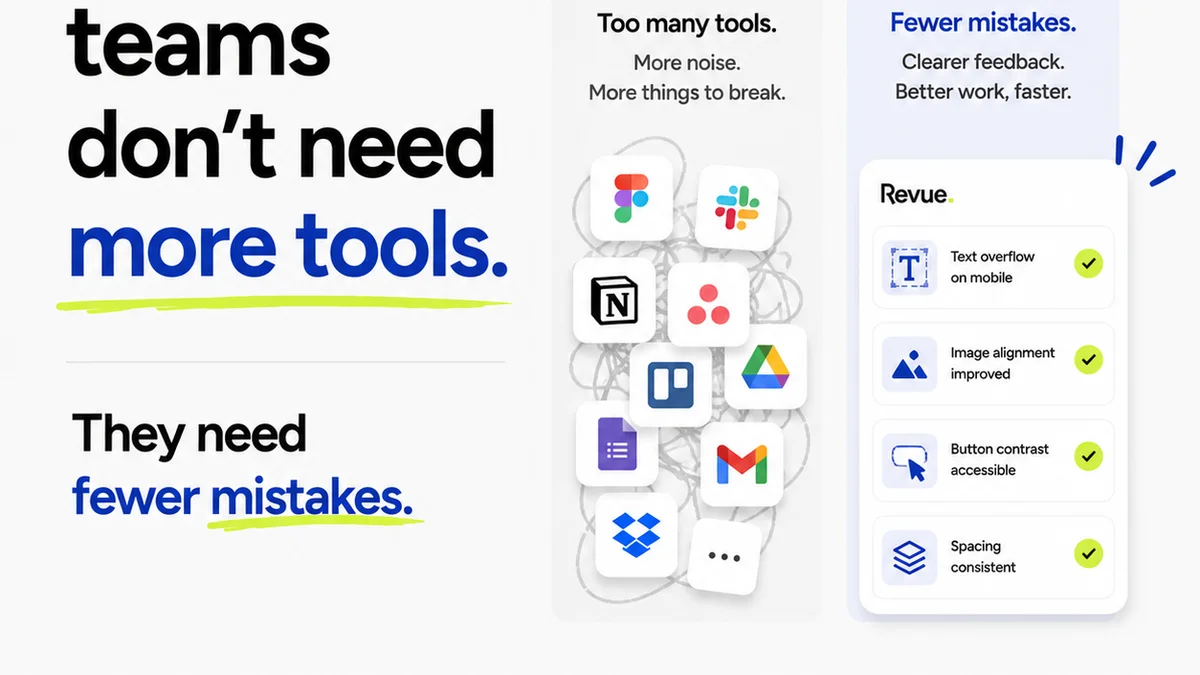
End the email chains. Stop the Slack storms. All feedback, comments, and annotations need to live in one place. This eliminates confusion about which version is current and ensures all stakeholders are commenting on the same iteration.
For hospitality, where multiple departments (marketing, operations, F&B, management) might weigh in, a single source of truth is non-negotiable.
Structured Review Rounds
Define clear review stages: initial concept review, design iteration, copy approval, final sign-off. Assign specific stakeholders to each round.
Establish deadlines for feedback. Unresponsive stakeholders can derail even the best creative timelines.
Consolidated, Actionable Feedback
Train your reviewers. Encourage them to provide consolidated feedback rather than scattered comments. Feedback should be constructive and actionable, not just subjective opinions.
Instead of “I don’t like this,” aim for “This image doesn’t convey the luxury experience we’re aiming for; consider something with softer lighting and fewer people.”
Version Control Clarity
Misunderstandings about which version is the latest are rampant. Implement a clear versioning system. Every revision should be documented.
This protects the creative team and ensures everyone is working from the most up-to-date asset.
3. Cross-Departmental Alignment and Communication
Creative doesn't exist in a vacuum. In hospitality, it's deeply intertwined with operations, sales, and guest services.
Involve Key Stakeholders Early
Don't surprise the hotel manager with the final campaign creative. Involve representatives from relevant departments (e.g., F&B director for a restaurant promotion, front desk manager for a guest services campaign) during the briefing and concept stages.
Their operational insights are invaluable and can prevent costly misalignments later.
Regular Sync-Ups (But Keep Them Brief)
Schedule short, focused check-ins. Agendas are essential. Stick to the point. These aren't brainstorming sessions; they are status updates and blocker removals.
For a multi-property hotel group, this might mean a weekly marketing sync covering all ongoing creative projects.
Clear Roles and Responsibilities
Who is the ultimate decision-maker? Who provides input? Who manages the budget? Define these roles clearly at the outset to avoid confusion and bottlenecks.
Documenting this in the brief or a separate RACI chart can save significant headaches.
4. Quality Assurance and Brand Consistency Checks
The final hurdle. This is where you catch the small errors that can undermine the entire effort.
Proofreading and Fact-Checking
Beyond typos, ensure all factual information is correct: dates, prices, event details, amenity descriptions. In hospitality, accuracy builds trust.
This applies to website copy, brochures, social media posts, and even in-room menus.
Brand Guideline Adherence
Does the final output strictly adhere to the brand’s visual and verbal guidelines? This includes logo usage, color palettes, typography, tone of voice, and imagery style.
Inconsistent branding erodes guest perception and brand equity.
Technical Specifications Check
Are digital assets optimized for their intended platforms (web, social, email)? Are print assets set up with the correct bleed, resolution, and color profiles?
Ensuring technical correctness prevents costly reprints or digital display issues.
Accessibility Considerations
Especially for digital assets, ensure they meet accessibility standards. This includes alt text for images, proper heading structures, and sufficient color contrast.
Making your content accessible broadens your audience and is often a legal requirement. Consider resources like the Web Content Accessibility Guidelines (WCAG).
Where Revue Fits In
Managing all these moving parts manually is a recipe for chaos. This is where a centralized platform for creative project management becomes indispensable.
Revue provides a single source of truth for feedback and approvals. Stakeholders can comment directly on creative assets—images, PDFs, videos, web pages—eliminating scattered email threads and endless version confusion.
The platform offers clear visibility into revision history and approval status. This streamlines the entire review process, ensuring accountability and reducing turnaround times.
For hospitality brands juggling multiple properties, campaigns, and internal teams, Revue centralizes communication, tracks progress, and ensures the final creative output is not only on-brand but also error-free and strategically aligned.
Final Thought
Collaboration isn't a passive state; it's an active practice. It requires intention, structure, and the right tools.
For hospitality brands, where the stakes are high and the guest experience is everything, building a robust creative collaboration process isn't just a nice-to-have. It’s a critical operational imperative.
Are you treating collaboration as a checklist item, or as a core competency?
Frequently asked questions
What are the key stages of a hospitality creative project?
The key stages typically include: 1. Briefing & Strategy, 2. Concept Development, 3. Design & Content Creation, 4. Feedback & Revisions, 5. Quality Assurance & Approvals, and 6. Final Delivery & Deployment.
How can hospitality brands ensure brand consistency across multiple properties?
Consistency is achieved through a strong brand guideline document, centralized creative asset management, regular training for local teams, and a standardized feedback and approval process for all creative work.
Why is centralized feedback crucial for hospitality creative teams?
Centralized feedback prevents miscommunication, ensures all stakeholders are reviewing the same version, creates an audit trail of decisions, and significantly speeds up the revision process, which is vital in the fast-paced hospitality industry.
What role does the guest journey play in hospitality creative development?
The guest journey informs every creative decision. Assets should be developed to engage potential guests, inform them during their stay, and encourage loyalty, with each piece of creative mapped to a specific touchpoint in that journey.