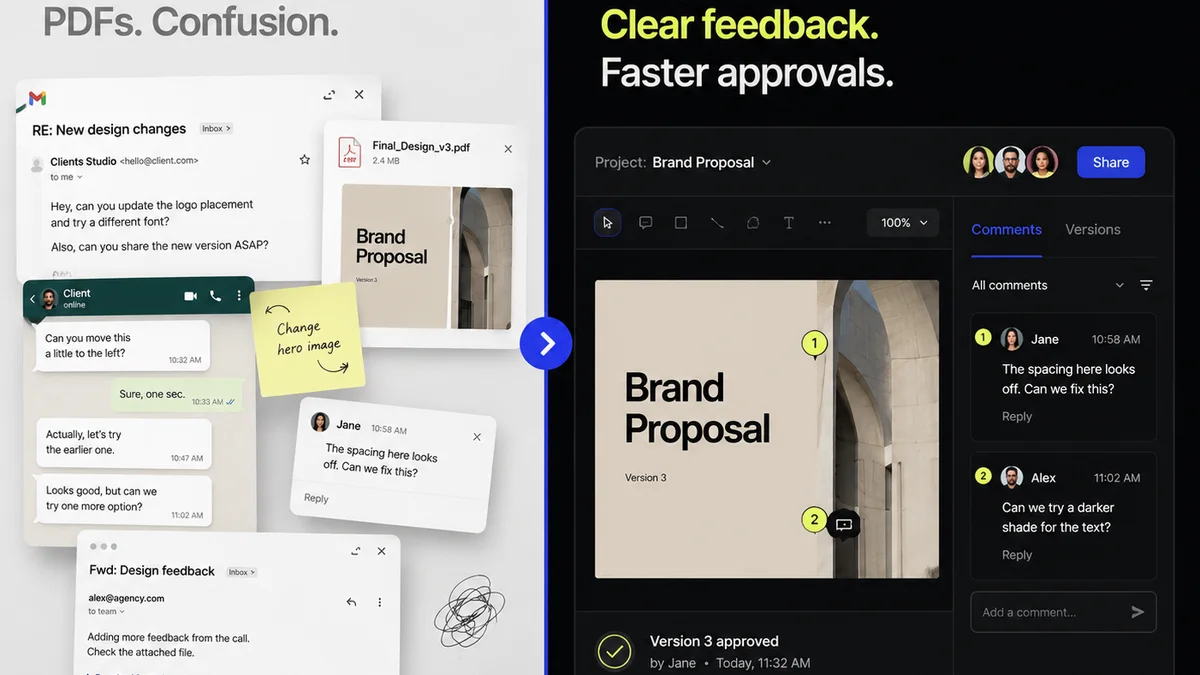
Everyone’s talking about the next big thing in hospitality marketing collateral for 2026. Think AI-generated visuals, hyper-personalized video, and immersive AR experiences. None of that is wrong. But it’s incomplete.
The hard truth? The most impactful collateral isn’t about the tech. It’s about the workflow. It’s about how you manage feedback, revisions, and approvals to actually get great work out the door, consistently.
1. The Operational Backbone of Creative Excellence
The shiny new tools are seductive. They promise speed and novelty. But without a robust operational process, they just become expensive distractions. Your brand’s visual identity, your guest experience messaging – these need more than just a pretty digital wrapper.
Consider the common pain points:
- Endless email chains for feedback.
- Version control nightmares.
- Stakeholders signing off on the wrong assets.
- Delays that kill momentum and inflate budgets.
These aren’t minor annoyances. They are operational failures that cripple creative output. In 2026, the focus shifts from *what* you create to *how* you create it, and how efficiently you can iterate.
The Real ROI is in Efficiency
The true return on investment for marketing collateral isn’t just in engagement metrics. It’s in reduced revision cycles, faster time-to-market, and fewer costly errors. This operational discipline is the bedrock upon which innovative campaigns are built.
2. Authenticity Over Aspiration: The Guest-Centric View
The hospitality industry thrives on experience. Guests today crave authenticity. They can spot overly polished, generic marketing from a mile away. Your collateral needs to reflect the real atmosphere, the genuine service, the unique character of your establishment.
This means:
- Showcasing real guests (with permission, of course).
- Highlighting unique local partnerships or offerings.
- Capturing the genuine mood and energy of the space, not just staged perfection.
- Using user-generated content strategically.
This isn’t about lowering quality. It’s about prioritizing relevance and truth. Your collateral should feel like an invitation, not an advertisement.
Bridging the Digital-Physical Divide
Marketing collateral must seamlessly connect the digital discovery phase with the physical experience. An Instagram post should accurately represent the hotel lobby. A website booking confirmation should align with the check-in process.
Any disconnect erodes trust. Consistency across all touchpoints is paramount.
3. Integrated Storytelling: Beyond Static Assets
The days of standalone brochures or single-purpose social media graphics are fading. Effective hospitality marketing collateral in 2026 is part of an integrated narrative. Each piece should contribute to a larger story.
Think about:
- Website: The central hub, showcasing brand story, amenities, and booking.
- Social Media: Dynamic, real-time engagement, behind-the-scenes glimpses, user-generated content.
- Email Marketing: Personalized offers, pre-arrival information, post-stay engagement.
- On-Property Materials: Room service menus, local guides, event schedules – all reinforcing the brand.
- Digital Signage: Dynamic displays in lobbies or common areas, updated in real-time.
Each element must echo the others. The tone, the visuals, the core message – they need to be consistent and complementary.
The Power of Dynamic Content
Leverage content that can be easily updated and repurposed. A core set of high-quality photography and videography can be adapted for different platforms and messages. This efficiency is key.
4. Data-Informed Design: Smarter Not Harder
Gut feeling is important in hospitality. But relying solely on it for marketing collateral is a missed opportunity. Data can inform design decisions, making your collateral more effective and relevant.
Analyze:
- Website Analytics: Which pages drive bookings? What content do visitors spend time on?
- Social Media Insights: What types of posts get the most engagement? Who is your audience?
- Campaign Performance: Which visual styles or calls-to-action lead to conversions?
- Guest Surveys: What do guests mention most often about their experience?
Use these insights to refine your messaging, select imagery, and optimize calls-to-action. It’s not about guessing; it’s about knowing what resonates.
Accessibility as a Standard Feature
Don’t treat accessibility as an afterthought. Ensure your digital collateral (websites, PDFs, social media graphics) meets accessibility standards. This broadens your reach and demonstrates inclusivity. Consider guidelines from the Web Content Accessibility Guidelines (WCAG).
Where Revue Fits In
All this talk of operational efficiency, integrated storytelling, and data-informed design might sound like a lot. It is. And managing it effectively is where dedicated platforms become essential.
Creative teams in hospitality often juggle multiple stakeholders, tight deadlines, and the constant need for polished, on-brand collateral. This is precisely where Revue excels.
Revue provides a centralized hub for your marketing collateral workflow. Instead of scattered feedback across emails and chats, you get clear, contextualized comments directly on the assets. Revision tracking means everyone sees the evolution of a piece, preventing confusion and ensuring accountability.
When it's time for final approval, the process is streamlined and transparent. This operational clarity frees up your team to focus on creativity and strategy, rather than getting bogged down in administrative tasks. It ensures that your beautiful, authentic, and integrated storytelling actually makes it to market, on time and on budget.
5. Sustainability and Ethical Considerations
The conversation around sustainability is growing louder. For hospitality, this extends to marketing collateral.
Consider:
- Print Materials: Opt for recycled paper, eco-friendly inks, and minimal waste designs.
- Digital Footprint: Optimize images and videos for faster loading and reduced server load.
- Ethical Sourcing: Ensure any merchandise or printed items are produced ethically.
- Messaging: Highlight genuine sustainability efforts, don’t greenwash.
Guests are increasingly conscious of a brand’s environmental and social impact. Your collateral should reflect genuine commitment, not just superficial claims.
Final Thought
The future of hospitality marketing collateral in 2026 isn't about chasing the newest technological gimmick. It's about building a resilient, efficient, and authentic creative engine. It’s about ensuring your brand’s story is told consistently and effectively, from the first digital touchpoint to the final in-person experience.
Are you prepared to invest in the operational rigor that underpins truly great creative work, or will you be swept away by the next ephemeral trend?
Frequently asked questions
What is the most important trend for hospitality marketing collateral in 2026?
The most crucial trend for 2026 is focusing on the operational workflow behind collateral creation – managing feedback, revisions, and approvals efficiently – rather than solely on new technologies.
How can hospitality businesses ensure their marketing collateral feels authentic?
Authenticity is achieved by showcasing real guest experiences, highlighting unique offerings, capturing the genuine atmosphere, and strategically using user-generated content, rather than relying on overly polished or generic visuals.
Why is integrated storytelling important for hospitality collateral?
Integrated storytelling ensures that all marketing materials – from websites to social media to on-property items – work together to tell a consistent, cohesive brand narrative, reinforcing the guest experience across every touchpoint.
How can data inform hospitality marketing collateral design?
Data from website analytics, social media insights, campaign performance, and guest surveys can reveal what resonates with your audience, guiding design decisions for more effective messaging, imagery, and calls-to-action.