Everyone thinks choosing a marketing collateral agency is about spotting the slickest portfolio or the lowest price. That’s what most people look for.
None of that is wrong. But it’s incomplete.
The hard truth is, the best marketing collateral agency isn’t the one that makes the prettiest pictures. It’s the one that understands your business goals, streamlines your workflow, and delivers work that converts.
Finding that agency requires looking beyond the surface. It means digging into their process, their communication style, and how they measure success.
1. Beyond the Pretty Pictures: Defining Your Needs
Before you even look at an agency's website, you need to know what you need. What specific marketing collateral are you looking for? Brochures? White papers? Case studies? Social media graphics?
Be specific. A general request for "marketing materials" is a red flag. It suggests the agency hasn't thought deeply about your unique challenges.
Understanding Your Objectives
What are you trying to achieve with this collateral?
- Increase lead generation?
- Improve brand awareness?
- Drive website traffic?
- Educate your audience?
- Support sales efforts?
The agency needs to understand these objectives to create collateral that serves them.
Assessing Your Current Workflow
How do you currently manage feedback and approvals for creative work? Are you drowning in email chains? Is there a single source of truth for revisions?
An agency that doesn’t ask about this might just add to your chaos. The right partner will integrate seamlessly, or even improve, your existing processes.
2. The Portfolio Deep Dive: More Than Just Aesthetics
Sure, you want to see good work. But don’t just flip through pretty pictures. Look for evidence of strategic thinking and measurable results.
Look for Industry Relevance
Have they worked in your industry before? While not a deal-breaker, experience in your sector means they understand the nuances, the audience, and the competitive landscape.
This saves them ramp-up time and saves you from explaining basics.
Analyze Case Studies for Process and Results
A strong case study doesn’t just show the final product. It explains the problem, the agency’s approach, and the outcome.
Look for details on:
- The client's challenge.
- The agency's strategy.
- The specific collateral created.
- The results achieved (quantifiable if possible).
If they only show before-and-after shots without context, be wary.
Ask About Their Design Process
What’s their typical workflow for a project like yours? How do they gather requirements? How many rounds of revisions are standard? How do they ensure brand consistency across different collateral pieces?
A structured process indicates professionalism and predictability.
3. Communication and Collaboration: The Lifeblood of Partnership
This is where many agency relationships break down. You need an agency that communicates clearly and collaborates effectively.
Responsiveness and Clarity
How quickly do they respond to inquiries? Is their communication clear and concise, or full of jargon?
During the selection process, pay attention to how they interact with you. Are they asking probing questions? Are they transparent about their capabilities and limitations?
Feedback and Revision Process
How do they handle feedback? Do they expect you to provide consolidated feedback? Do they have a system for tracking revisions?
A chaotic feedback loop is a productivity killer. The agency should have a clear, efficient system.
Dedicated Point of Contact
Will you have a dedicated account manager or project lead? Or will you be shuffled between different people?
A consistent point of contact ensures continuity and makes communication much smoother.
4. Understanding Their Technology Stack and Integration
In today's digital-first world, the tools an agency uses matter. They impact efficiency, collaboration, and the final output.
Project Management Tools
What project management software do they use? (e.g., Asana, Trello, Monday.com). How do they keep clients updated on project progress?
Visibility into project status is crucial for managing expectations and timelines.
Collaboration and Feedback Platforms
Do they use specialized tools for creative feedback? Tools that allow for annotation directly on designs?
This is far more efficient than endless email threads or scattered screenshots.
Data and Analytics Integration
How do they measure the performance of the collateral they create? Do they integrate with your analytics platforms?
Collateral that isn't tracked is collateral that can't be optimized.
5. Cultural Fit and Long-Term Vision
You're not just hiring a vendor; you're building a partnership. The agency's culture should align with yours.
Shared Values and Work Ethic
Do they seem passionate about their work? Do they value quality and attention to detail?
A misalignment in values can lead to friction down the line.
Scalability and Growth
Can the agency scale with your needs? As your business grows, will they be able to handle larger or more complex projects?
Look for an agency that can grow with you, not one you'll outgrow quickly.
Proactive vs. Reactive Approach
Do they offer strategic advice beyond the immediate project? Do they suggest new ideas or approaches to help you achieve your goals?
A proactive agency is a valuable strategic partner.
Where Revue Fits In
Managing marketing collateral, especially with multiple stakeholders and revision rounds, can quickly become a bottleneck. This is where a centralized platform like Revue becomes essential.
Instead of relying on scattered emails, endless spreadsheets, and disconnected tools, Revue provides a single source of truth for all your creative feedback, revisions, and approvals.
- Centralized Feedback: Consolidate all client and stakeholder comments directly on the creative assets. No more hunting for that one crucial email.
- Revision Tracking: Clearly see every version of a design, who made which changes, and when. This transparency eliminates confusion and prevents costly rework.
- Streamlined Approvals: Formalize the approval process with clear status updates and digital sign-offs, ensuring projects move forward efficiently.
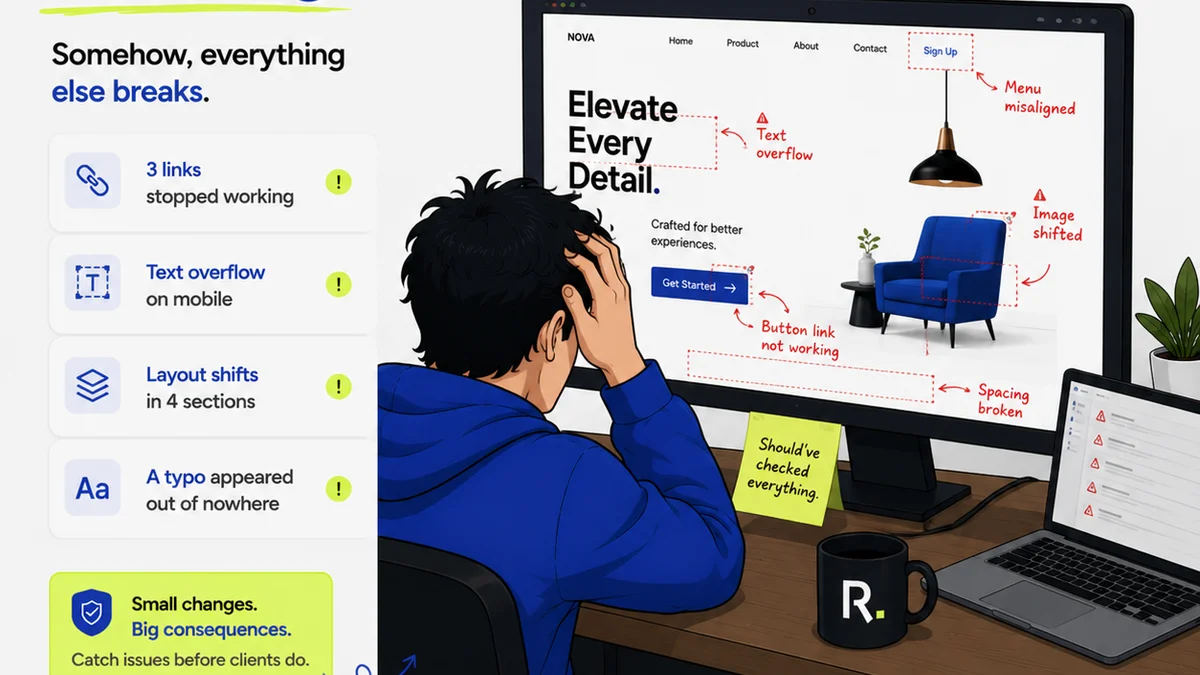
- Quality Assurance: Use the structured workflow to conduct final quality checks before launch, catching errors that might otherwise slip through.
By bringing order to the chaos of creative review, Revue empowers agencies and in-house teams to work more efficiently, reduce errors, and deliver marketing collateral that truly performs.
Final Thought
Choosing a marketing collateral agency is a strategic decision, not just a transactional one. It’s about finding a partner who understands your business, respects your workflow, and is committed to delivering tangible results.
Are you looking for a vendor, or a true growth partner? The answer shapes everything.
Frequently asked questions
What is marketing collateral?
Marketing collateral refers to the collection of media and informational materials used to support the sales and marketing of a product or service. This can include brochures, flyers, white papers, case studies, presentations, datasheets, and digital assets like social media graphics or website banners.
How important is an agency's portfolio?
An agency's portfolio is important for showcasing their aesthetic capabilities and the types of projects they've completed. However, it shouldn't be the sole deciding factor. You should also evaluate their process, client testimonials, case studies demonstrating results, and how well they understand your specific business needs and objectives.
What should I ask a potential marketing collateral agency?
Key questions include: What is your process for developing collateral? How do you handle feedback and revisions? Can you provide case studies with measurable results? What project management and collaboration tools do you use? What is your pricing structure? Do you have experience in our industry? Who will be my main point of contact?
How can I ensure the collateral meets my brand guidelines?
Discuss your brand guidelines thoroughly during the initial briefing. Ask the agency how they ensure brand consistency across all deliverables. Look for agencies that ask detailed questions about your brand's visual identity, tone of voice, and target audience. A structured review process with clear approval stages also helps maintain brand integrity.