Everyone says nonprofits need a clear strategy. That’s not wrong. But it’s incomplete. A strategy without a solid product foundation is just a wish list.
The hard truth? Nonprofits often struggle with product strategy because they lack dedicated product expertise. They’re good at their mission, but building and iterating on the *products* that deliver that mission? That’s a different beast.
Choosing the right product strategy agency is critical for nonprofits aiming for sustainable impact. It’s not about finding someone to ‘design a website’ or ‘run a social media campaign’. It’s about finding a partner who understands the unique pressures and opportunities within the nonprofit sector.
1. Beyond the Mission Statement: Understanding Your Product Ecosystem
Your mission is your north star. But how do you translate that into tangible products and services that resonate with donors, beneficiaries, and stakeholders? A product strategy agency should help you map this out.
This isn’t just about identifying a need. It’s about understanding the entire ecosystem:
- Who are your users? (Donors, volunteers, beneficiaries, staff, partners)
- What are their core needs and pain points?
- What existing products or services do you offer?
- What are the unintended consequences of your current offerings?
- How do your digital and physical products work together?
An agency that asks these questions upfront is a good sign. They’re not just looking at a single project; they’re looking at the whole picture.
2. Defining 'Product' in the Nonprofit Context
For-profits have products that generate revenue. Nonprofits have products that drive impact and facilitate donations. The core principles of product strategy still apply, but the metrics and motivations differ.
A good agency will understand this distinction. They won’t try to shoehorn a B2C e-commerce model onto your donation platform. They’ll help you define what 'success' looks like for your specific nonprofit product.
What Does Success Look Like?
- Increased donor retention?
- Higher volunteer engagement?
- More efficient program delivery?
- Greater awareness of your cause?
- Improved beneficiary outcomes?
The agency should work with you to define clear, measurable KPIs that align with your mission. This isn't just about vanity metrics; it's about demonstrating real-world impact.
3. Evaluating Agency Expertise: More Than Just Design
Many agencies offer 'strategy' services. But what does that really mean? For product strategy, you need more than just a slick presentation deck.
Look for agencies with a proven track record in:
- User Research: Deep dives into understanding your audience's needs, behaviors, and motivations. This includes qualitative methods like interviews and usability testing, and quantitative analysis of existing data.
- Market Analysis: Understanding the landscape of other nonprofits, potential partners, and the broader societal trends affecting your cause.
- Product Roadmapping: Creating a phased plan for developing, launching, and iterating on products. This involves prioritization based on impact and feasibility.
- Business Modeling: How will the product be funded and sustained? What are the operational requirements?
- Data Analysis: Ability to define, track, and interpret key performance indicators (KPIs) to measure success and inform future iterations.
Don't be afraid to ask for case studies that demonstrate these capabilities, especially within the social impact or nonprofit sector.
4. The Discovery Phase: A Non-Negotiable First Step
Any reputable product strategy agency will insist on a thorough discovery phase. This is where they immerse themselves in your organization, your users, and your challenges.
Common activities during discovery include:
- Stakeholder interviews (board members, leadership, program staff)
- User interviews and surveys
- Competitive and comparative analysis
- Review of existing data and documentation
- Workshops and co-creation sessions
This phase is crucial for building a shared understanding and ensuring the strategy is grounded in reality, not assumptions.
If an agency promises a full strategy after just a few meetings and a brief questionnaire, walk away. They’re likely offering a templated solution, not a tailored strategy.
5. Collaboration and Communication: Building a True Partnership
Your internal team knows your organization best. A product strategy agency needs to be a partner, not a dictator.
Look for an agency that emphasizes:
- Transparency: Clear communication about timelines, deliverables, and potential roadblocks.
- Inclusivity: Actively involving your team in the process, from research to ideation.
- Adaptability: Willingness to adjust the approach based on new insights or changing circumstances.
- Knowledge Transfer: Ensuring your team understands the 'why' behind the recommendations, empowering them for the future.
The goal is not just a strategy document, but an empowered internal team capable of carrying it forward.
6. Budget Realities for Nonprofits
Let’s be blunt: nonprofit budgets are tight. Product strategy is an investment, not just an expense.
When evaluating agencies, consider:
- Value, Not Just Cost: What is the potential ROI in terms of increased impact, efficiency, or funding?
- Phased Approach: Can the engagement be broken down into smaller, manageable phases (e.g., discovery first, then strategy development)?
- Grant Funding: Are there grants or funding opportunities available for capacity building or strategic planning that could offset costs?
- Pro Bono or Discounted Services: Some agencies may offer reduced rates or pro bono work for mission-aligned organizations. Explore this, but don't rely on it solely.
Be prepared to articulate the value proposition of investing in product strategy to your board and funders. Frame it as essential for long-term sustainability and mission fulfillment.
Where Revue Fits In
Once your product strategy is defined, execution is key. This is where tools like Revue become essential for managing the creative workflow that brings your product vision to life.
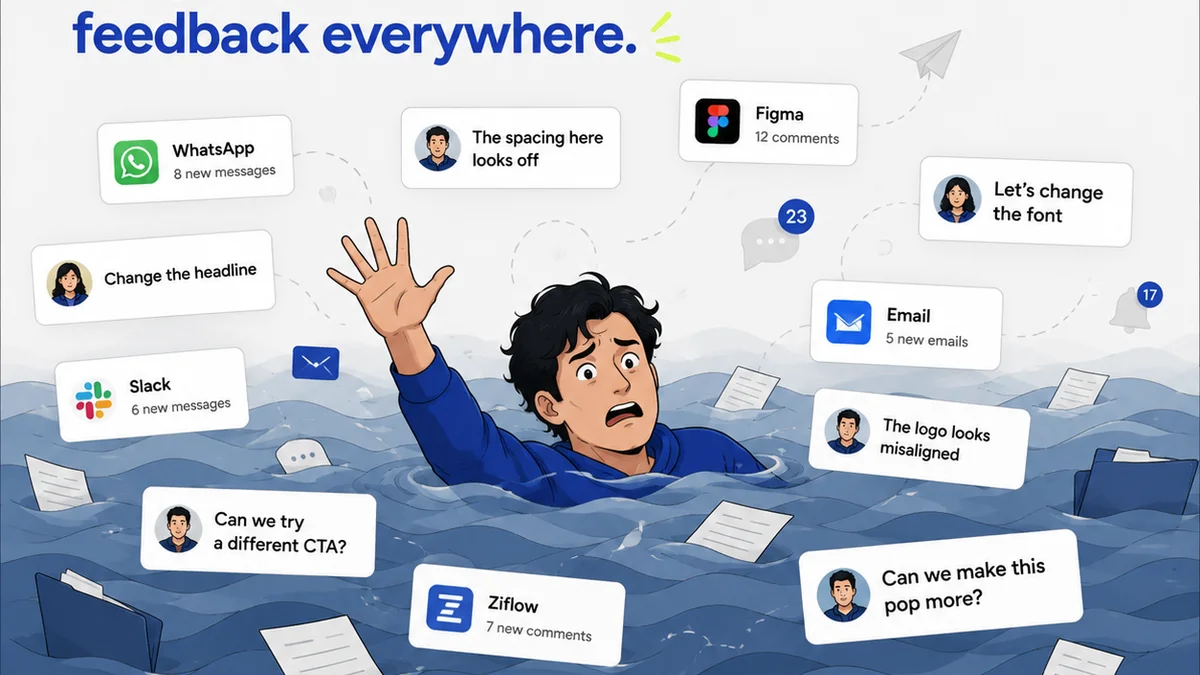
Centralizing client feedback on designs, prototypes, or marketing materials ensures everyone is working from the same source of truth. Visibility into revision history and approval stages prevents miscommunication and delays. Streamlining quality checks before launch minimizes errors and ensures a polished final product.
A robust strategy needs a robust workflow to succeed. Revue helps bridge that gap.
Final Thought
Choosing a product strategy agency is a significant decision for any nonprofit. It requires looking beyond the surface-level request and understanding what truly drives product success.
Are you ready to move beyond mission statements and build products that deliver on your promise?
Frequently asked questions
What is product strategy for a nonprofit?
For a nonprofit, product strategy involves defining and developing the services, programs, or digital tools that best help the organization achieve its mission. It's about understanding user needs (donors, beneficiaries, volunteers) and creating offerings that deliver measurable impact and support organizational sustainability.
How is nonprofit product strategy different from for-profit product strategy?
While the core principles of user focus, iteration, and data-driven decisions are similar, the primary goal differs. For-profits aim for profit and market share, while nonprofits aim for mission impact and social good. Metrics for success are also different, focusing on outcomes like lives impacted, funds raised, or services delivered rather than revenue.
What should I look for in a product strategy agency for my nonprofit?
Seek agencies with experience in user research, market analysis, product roadmapping, and data analysis. Crucially, they should understand the unique nonprofit context, be collaborative, transparent, and able to demonstrate value beyond just cost. Prioritize those who emphasize a thorough discovery phase.
Can a product strategy agency help with fundraising?
Yes, indirectly. By helping to define and refine products or services that demonstrate clear impact and efficiency, a product strategy agency can help a nonprofit better articulate its value proposition to donors and funders, potentially leading to increased support.