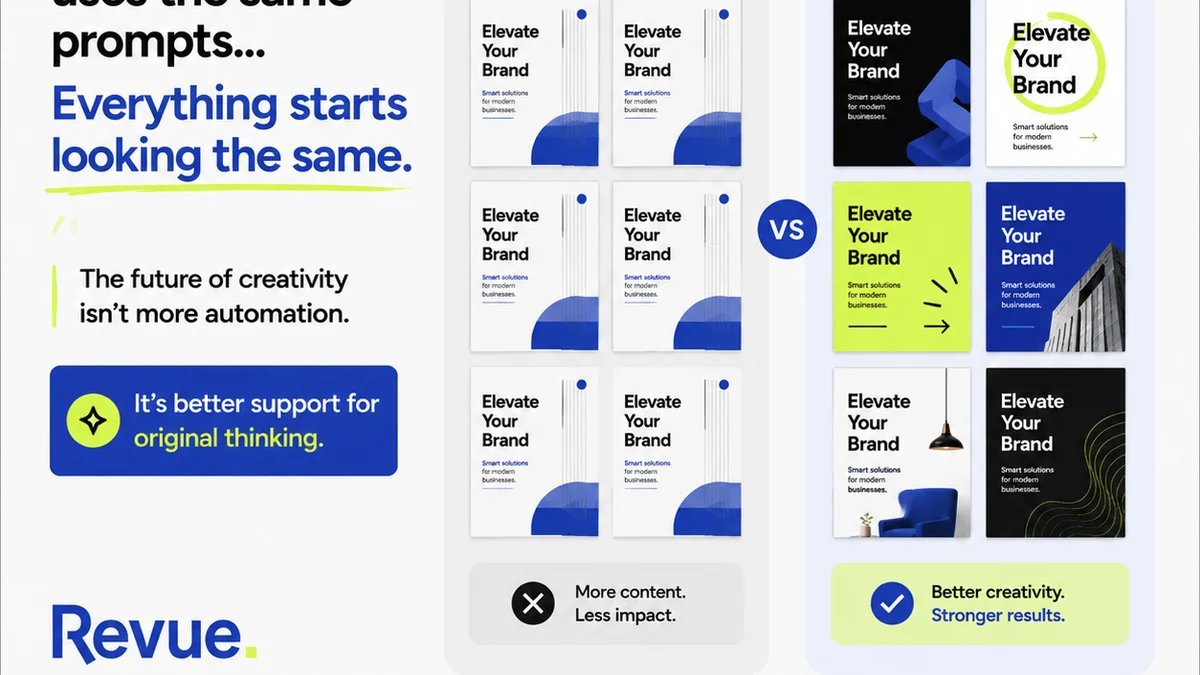
Most people think illustration is just about making things look nice. A splash of color here, a creative flourish there. That’s not wrong. But it’s incomplete.
The hard truth is that illustration, when applied strategically, is a powerful engine for business growth. It’s not just an aesthetic choice; it’s a functional one that impacts everything from customer perception to conversion rates.
1. Building Unforgettable Brands
In a crowded marketplace, standing out is everything. Generic stock photos or bland corporate imagery won't cut it anymore. Brands need a unique visual identity.
Illustration offers that uniqueness. A distinctive illustration style can become instantly recognizable, building strong brand recall.
Think about it:
- A consistent illustration style across all your marketing materials creates a cohesive brand experience.
- It humanizes your brand, making it more approachable and relatable.
- It allows for complex ideas to be communicated visually, making your brand message stickier.
This isn't about being artsy. It's about building a visual language that resonates with your target audience and differentiates you from the competition. A strong visual identity, powered by unique illustration, is the first step to capturing attention and fostering loyalty.
2. Enhancing User Experience and Engagement
Illustration plays a crucial role in how users interact with your product or service. It’s not just for marketing collateral; it’s embedded in the user journey.
Well-executed illustrations can:
- Simplify complex information, making tutorials, onboarding flows, and data visualizations easier to understand.
- Add personality and delight to user interfaces, turning a functional experience into an enjoyable one.
- Guide users through processes, using visual cues to indicate next steps or highlight important features.
- Evoke emotions, creating a stronger connection between the user and the brand.
Consider the onboarding process for new software. Instead of dense text, friendly illustrations can guide users step-by-step, reducing friction and improving initial adoption rates. This directly impacts customer satisfaction and reduces churn.
Furthermore, in digital products, custom illustrations can convey tone and brand personality in a way that code alone cannot. This emotional layer is critical for building lasting user relationships.
3. Driving Conversions and Sales
This is where the rubber meets the road. How does pretty art translate into actual business results?
The answer lies in trust and clarity. Illustrations can break down barriers that text or generic imagery can't.
- Product Visualization: Custom illustrations can showcase product features and benefits more effectively than static photos, especially for complex or abstract offerings.
- Storytelling: Illustrations excel at narrative. They can tell the story of your brand, your product's impact, or customer success in a compelling way that resonates emotionally and drives action.
- Call to Actions: Visually appealing and contextually relevant illustrations can draw attention to key calls to action, increasing click-through rates.
- Website and Landing Page Effectiveness: A visually engaging website keeps visitors longer and encourages exploration. Strategic illustration can highlight value propositions and guide users towards conversion points.
Think about e-commerce. Instead of just a photo, an illustration showing a product in use, highlighting its benefits, can make a significant difference in a customer’s decision to purchase. It adds context and emotional appeal.
4. Improving Accessibility and Inclusivity
Illustration can be a powerful tool for making your brand and content more accessible to a wider audience.
Unlike photographs, illustrations are not bound by the limitations of reality. This allows for:
- Representation: You can create diverse characters and scenarios that authentically reflect your audience, fostering a sense of belonging.
- Clarity for Cognitive Differences: Simplified visual language can make information easier to process for individuals with cognitive impairments or learning disabilities.
- Universality: With careful design, illustrations can transcend language barriers, communicating concepts universally.
When done thoughtfully, illustration promotes inclusivity. It ensures that more people can connect with your message and feel seen by your brand.
5. Boosting Content Engagement and Shareability
Content marketing is essential, but cutting through the noise is harder than ever. Visuals are key.
Illustrations, especially unique ones, grab attention in busy feeds and on cluttered web pages.
- Social Media: Custom illustrated graphics get more shares and engagement than generic images. They stand out and are more memorable.
- Blog Posts and Articles: Illustrations can break up text, illustrate key points, and make long-form content more digestible and appealing.
- Infographics: Illustrations are the backbone of effective infographics, transforming complex data into easily understandable and shareable visual stories.
A well-illustrated piece of content is simply more likely to be consumed, remembered, and shared. This increased reach and engagement directly contribute to brand awareness and lead generation.
Where Revue Fits In
Managing creative projects, especially those involving custom illustration, can get messy. Feedback gets lost, revisions pile up, and quality can slip.
Revue helps centralize the entire creative feedback and approval process. When you’re working with illustrators or your in-house team on visual assets, you need a clear workflow.
- Centralized Feedback: All client and stakeholder comments on illustrations are in one place, linked to the specific visual. No more hunting through emails or Slack threads.
- Version Control and Revision Tracking: Easily see the evolution of an illustration, understand which feedback led to which changes, and ensure all revisions are addressed.
- Clear Approval Flows: Define who needs to sign off on artwork and track approvals in real-time, reducing bottlenecks and speeding up project delivery.
- Quality Assurance: Ensure that final assets meet all specifications and brand guidelines before they go live, reducing costly errors.
By streamlining these operational aspects, Revue frees up your team to focus on the creative work itself, ensuring that your strategic use of illustration actually gets executed efficiently and effectively.
Final Thought
Illustration is not a peripheral luxury; it’s a core component of effective brand strategy and user experience design. It’s a versatile tool for communication, engagement, and, yes, driving tangible business growth.
The question isn't whether you can afford to invest in quality illustration. The real question is whether you can afford not to.
Frequently asked questions
How does illustration improve brand recognition?
A unique and consistent illustration style creates a memorable visual identity that helps your brand stand out from competitors. This distinctiveness aids in recall across all marketing touchpoints.
Can illustration really impact sales?
Yes. By simplifying complex product features, telling compelling brand stories, and guiding users towards conversion points with visually appealing calls to action, illustration can directly influence purchasing decisions and increase sales.
What is the role of illustration in user experience (UX)?
Illustration enhances UX by simplifying complex information, adding personality to interfaces, guiding users through processes, and evoking positive emotions. This leads to more engaging and enjoyable user interactions.
How can illustration help with content marketing?
Custom illustrations make content more engaging, shareable, and memorable. They help break up text, illustrate key points effectively, and make social media posts, blog articles, and infographics stand out in a crowded digital space.
How does Revue support illustration projects?
Revue centralizes feedback, manages revisions, and streamlines approval workflows for illustration projects. This ensures clarity, reduces bottlenecks, and maintains the quality of creative assets from concept to final delivery.