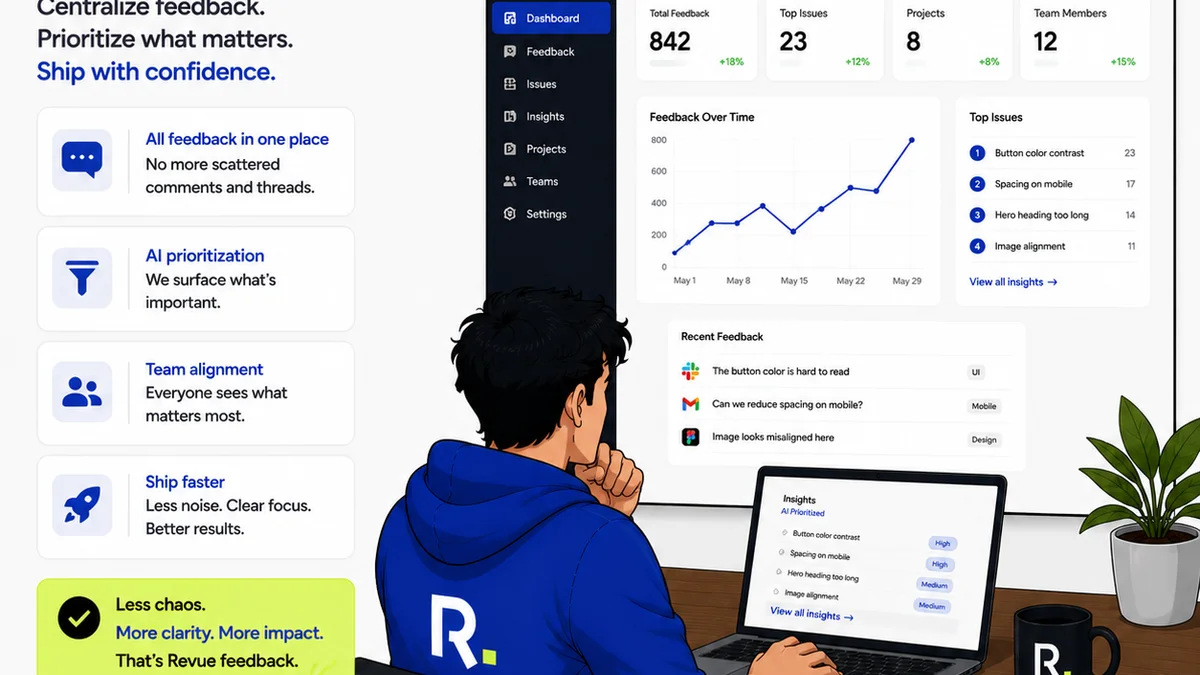
Everyone thinks good illustration is just about having a talented artist. That’s the easy part. The real challenge? Making sure that art serves the business goal without derailing your project. Many teams focus only on the aesthetic, ignoring the operational costs that pile up. That’s a surefire way to watch your budget and timeline evaporate.
The hard truth is, illustration mistakes aren’t about bad drawing. They’re about bad process. They’re about missed communication, undefined scope, and a failure to integrate the creative work into the larger project ecosystem. These are the hidden costs that bite agencies and in-house teams alike.
1. Scope Creep Hiding in Plain Sight
Illustration projects often start with a vague brief. “We need some cool visuals for the website.” This ambiguity is a breeding ground for scope creep, the silent killer of project profitability. Without clear deliverables, artists can spend hours on concepts or revisions that were never truly needed.
This isn’t just about adding more images. It’s about the time spent:
- Iterating on styles that don’t align with the brand.
- Creating variations that aren’t requested until late in the game.
- Producing illustrations for platforms or uses not initially considered.
- Revising work based on subjective feedback rather than objective goals.
The cost? Billable hours vanish. Your team’s capacity gets tied up. Clients get frustrated by escalating costs. It’s a mess that could have been avoided with a tighter initial scope.
2. The
Frequently asked questions
What's the biggest mistake businesses make with illustration projects?
The biggest mistake is focusing solely on the aesthetic outcome without defining clear project scope, deliverables, and business objectives upfront. This often leads to scope creep, wasted time, and budget overruns.
How can I prevent scope creep in illustration projects?
Prevent scope creep by establishing a detailed creative brief, clearly defining the number of assets, their intended use, style guides, and revision rounds. Use a project management tool to track progress and manage feedback.
What is the role of client feedback in illustration projects?
Client feedback is crucial, but it must be structured and actionable. Unclear, subjective, or last-minute feedback can lead to costly revisions. Centralizing feedback and ensuring it aligns with the brief minimizes these issues.
How does illustration impact a business's ROI?
Effective illustration can significantly boost ROI by enhancing brand recognition, improving user engagement, clarifying complex information, and driving conversions. Poorly executed or misaligned illustration can be a financial drain with little to no return.