Everyone's talking about the next big thing in illustration for 2026. You see the buzzwords: AI-generated surrealism, hyper-realistic 3D renders, minimalist vector art. It’s easy to get caught up in the chase for the newest style.
None of that is wrong. But it’s incomplete.
The real story of illustration trends isn't about what's *new*. It's about what's *useful*. What solves client problems? What communicates effectively? What stands the test of time?
The hard truth is that the most impactful illustration trends are those that align with fundamental communication needs, amplified by new tools and evolving aesthetics. For 2026, this means focusing on clarity, authenticity, and strategic visual storytelling.
1. The Data-Driven Designer: Visualizing Complexity
Clients are drowning in data. They need clarity. They need insights. This isn't just about infographics anymore; it's about making complex information digestible and engaging through illustration.
The Rise of Informative Art
Think beyond pie charts. We're seeing a surge in illustrated explanations of intricate processes, scientific concepts, and business strategies. The goal is to simplify, not just decorate.
- Conceptual Clarity: Illustrations that break down abstract ideas into understandable visual metaphors.
- Process Visualization: Step-by-step visual guides for complex workflows or product usage.
- Data Storytelling: Using illustrative elements to add narrative and emotional resonance to data points.
Agencies that master this blend of data literacy and visual communication will be invaluable. It requires a deep understanding of the subject matter, not just artistic skill.
Tools of the Trade
While the aesthetic is key, the tools are evolving. Vector software remains dominant for its scalability and clean lines, but 3D rendering is increasingly used to add depth and realism to data visualizations, making them more tactile and engaging.
This trend demands designers who can think like analysts and analysts who can appreciate visual storytelling. It's a cross-disciplinary sweet spot.
2. Authentic & Relatable: The Human Element
In a world saturated with polished perfection, clients are craving authenticity. Illustrations that feel genuine, human, and relatable are cutting through the noise.
Beyond Stock Photos
This isn't about replicating stock photography with illustrations. It's about capturing genuine emotion and diverse experiences. Clients want their brand to connect with real people, not idealized mannequins.
- Diverse Representation: Moving beyond tokenism to genuinely reflect a wide range of ethnicities, ages, abilities, and body types.
- Emotional Resonance: Illustrations that convey nuanced feelings – joy, frustration, curiosity, relief – in a way that feels earned, not manufactured.
- Situational Realism: Depicting everyday scenarios and relatable challenges that resonate with target audiences.
This trend is a direct response to audience fatigue with overly curated or inauthentic brand messaging. It's about building trust through visual empathy.
The Imperfect Aesthetic
Hand-drawn textures, slightly off-kilter lines, and visible brush strokes are all part of this movement. It signals craft, personality, and a departure from sterile digital perfection. Even in vector art, designers are incorporating subtle imperfections to add warmth.
Brands that embrace this human-centric approach will find themselves building stronger, more loyal customer relationships.
3. Nostalgia Reimagined: Retro Futurism & Vintage Vibes
The past is always a reference point, but for 2026, it’s about looking back with a forward-thinking twist. Nostalgia is being filtered through a modern lens.
Retro Futurism
Think the optimistic, often naive, visions of the future from the mid-20th century, but updated with contemporary design sensibilities. It’s chrome, bold lines, and atomic shapes, but with modern color palettes and digital polish.
- Mid-Century Modern Influence: Clean lines, organic shapes, and a focus on functionality, reinterpreted for today.
- Atomic Age Aesthetics: Starbursts, boomerangs, and futuristic cityscapes, but with a contemporary edge.
- Optimistic Outlook: A hopeful, forward-looking vibe that contrasts with current anxieties.
This style taps into a collective longing for simpler, perhaps more optimistic, times, but avoids feeling dated by incorporating modern design principles.
Vintage Revival
Beyond mid-century, we're seeing a broader appreciation for historical illustration styles – art nouveau, art deco, even 80s and 90s graphic design. The key is recontextualization.
- Reimagined Typography: Using vintage font styles within modern layouts.
- Updated Color Palettes: Applying contemporary color combinations to classic illustration styles.
- Thematic Juxtaposition: Applying historical aesthetics to modern subjects or technologies.
These trends offer a powerful way for brands to evoke a sense of heritage, reliability, or playful escapism, depending on the specific vintage influence.
4. The AI Collaboration: Augmentation, Not Replacement
AI in illustration is no longer a distant future concept; it's a present reality. But the trend isn't about AI replacing artists; it's about artists leveraging AI as a powerful collaborator.
Ideation and Exploration
AI tools can rapidly generate variations, explore stylistic directions, and provide starting points for complex scenes. This frees up artists to focus on refinement, concept development, and strategic application.
- Mood Board Generation: Quickly visualizing abstract concepts or stylistic directions.
- Asset Variation: Creating multiple versions of elements for A/B testing or different campaign needs.
- Style Transfer: Applying existing artistic styles to new subject matter for inspiration.
The skill shifts from pure creation to curation, direction, and intelligent integration. Understanding prompt engineering becomes as crucial as understanding composition.
Ethical Considerations and Unique Styles
As AI tools become more sophisticated, the emphasis will increasingly be on the artist's unique vision and ethical use. Clients will look for illustrators who can guide AI to produce original, on-brand work, rather than generic outputs.
The ability to blend AI-generated elements seamlessly with hand-crafted work, or to use AI as a springboard for entirely new artistic directions, will define the leading edge of illustration in 2026.
5. Tactile & Textured: Beyond Flat Design
While flat design had its moment, there's a growing desire for visual depth and a sense of physical presence. Texture is making a comeback.
The Allure of the Physical
Illustrations that mimic traditional media – paint, charcoal, collage, even risograph printing – are gaining traction. This adds a layer of richness and perceived value that perfectly flat digital designs often lack.
- Digital Painting: Mimicking the look and feel of traditional paint mediums.
- Collage Elements: Incorporating scanned textures or digital cut-outs for a layered effect.
- Print Simulation: Emulating the look of screen printing, risograph, or letterpress.
This trend speaks to a desire for something more tangible in our digital lives. It makes designs feel more crafted and less mass-produced.
Subtle Depth and Dimension
Even within vector illustration, subtle gradients, subtle noise textures, and careful use of shadows and highlights can create a sense of depth without resorting to full 3D rendering. It’s about adding subtle imperfections that make the illustration feel more alive.
Clients are looking for visuals that feel considered and intentionally crafted. Texture is a powerful tool for achieving this, adding a layer of sophistication and visual interest.
Where Revue Fits In
Navigating these illustration trends requires a robust workflow. How do you manage client feedback on nuanced visual styles? How do you ensure consistency across revisions?
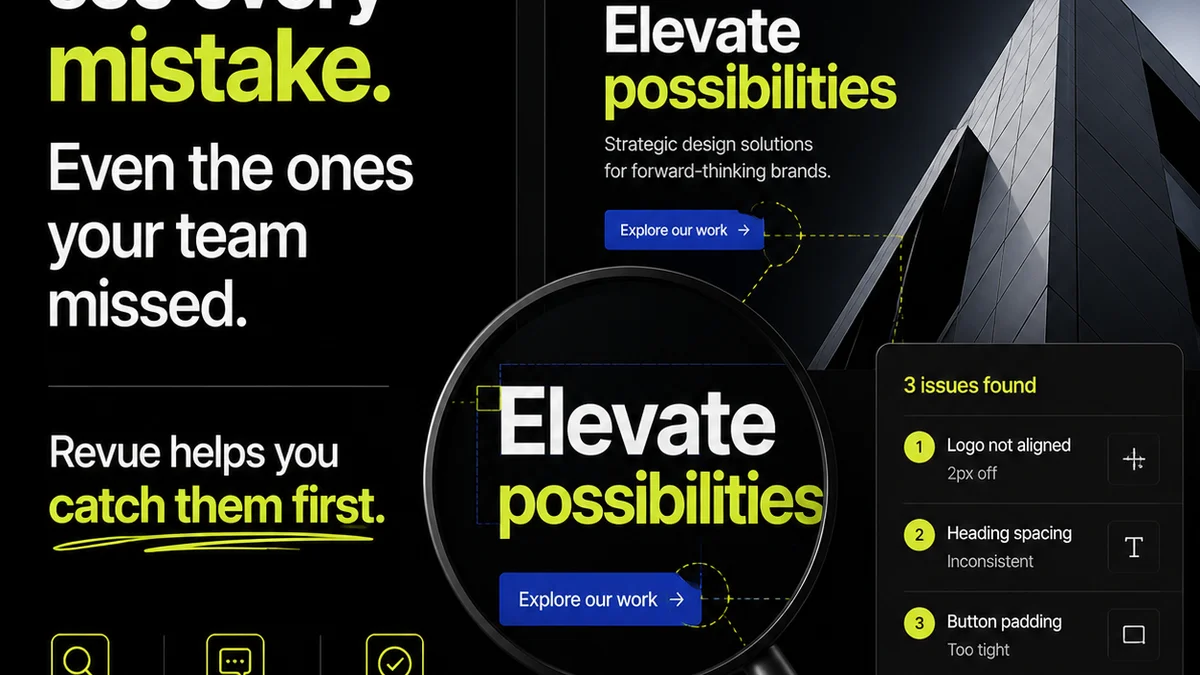
Revue centralizes client feedback directly on the creative assets. No more scattered email threads or ambiguous Slack messages. Stakeholders can pinpoint exactly what needs adjustment, from color palettes to textural details.
This visibility streamlines the revision process. Creative directors and designers can track feedback, manage approvals, and maintain a clear audit trail, ensuring that the final illustration aligns perfectly with the client's evolving vision and the chosen trend.
Ultimately, it’s about delivering exceptional creative work efficiently. Revue helps ensure that the execution of these sophisticated illustration trends meets client expectations without derailing your process.
Final Thought
The most enduring illustration trends for 2026 aren't dictated by software or fleeting aesthetics. They are born from the timeless need for clear communication, authentic connection, and strategic visual impact.
Are you chasing the next shiny object, or are you investing in illustration that solves real problems and builds lasting brand value?
Frequently asked questions
What is the most important illustration trend for agencies in 2026?
The most impactful trends for agencies in 2026 will be those that solve client problems effectively, such as visualizing complex data, creating authentic and relatable visuals, and leveraging AI as a collaborative tool rather than a replacement for human creativity. Clarity and strategic communication are paramount.
How is AI impacting illustration trends for 2026?
AI is becoming a powerful collaborator, assisting with ideation, generating variations, and exploring stylistic directions. The trend is towards artists using AI to augment their workflow, focusing on curation, direction, and ethical integration to produce unique, on-brand outputs, rather than relying on generic AI generation.
Should agencies focus on 'new' illustration styles or timeless principles?
Agencies should prioritize timeless principles like clarity, authenticity, and effective communication, while strategically incorporating new tools and aesthetic shifts. The most successful trends are those that serve a fundamental communication need, amplified by contemporary techniques and styles.
How can textured illustrations benefit a brand?
Textured illustrations, mimicking traditional media like paint or collage, add a sense of depth, richness, and perceived value. They can make designs feel more crafted, human, and less sterile, helping brands build trust and stand out in a digital-first world.