Everyone thinks the bottleneck in creative work is the creative itself. That the brilliant minds in the studio are the ones slowing things down. That if only they could churn out perfect work on the first try, everything would flow.
None of that is wrong. But it’s incomplete.
The real chokehold on creative projects isn't the creation phase. It’s the approval process. It's the endless email chains, the vague feedback, the stakeholder merry-go-round. It’s where good work goes to die, or at least get severely diluted.
The hard truth? Your creative approval process is likely a mess. And it’s costing you time, money, and good ideas. Here’s how to fix it.
1. The Feedback Black Hole
Think about your last few projects. How much time was spent chasing feedback? How many versions were created based on conflicting notes from different people?
This isn't a creative problem. It's an operational one. Clients and stakeholders often don't know what they want until they see it. And even then, their feedback can be:
- Vague: “Make it pop.” “I don’t like it.”
- Contradictory: “More blue!” followed by “Less blue!”
- Late: Sent days or weeks after the deadline.
- Unqualified: From people who shouldn’t be approving creative in the first place.
This chaos is the enemy of good creative. It forces revisions that aren't strategic, dilutes the original vision, and frustrates everyone involved.
Symptoms of a Broken Feedback Loop
- Endless rounds of revisions with no clear end in sight.
- “We’ll know it when we see it” syndrome.
- Disagreements between internal stakeholders about what the client wants.
- Creative teams working on outdated versions.
- Missed deadlines due to prolonged approval cycles.
This isn't about blaming clients. It’s about recognizing a systemic issue and building processes to manage it.
2. Define the Approval Chain of Command
Who *actually* needs to sign off on creative? Too often, everyone with an opinion gets a say. This leads to a cacophony of conflicting feedback.
Establish a clear, concise approval chain *before* the project starts. Identify the primary decision-maker and any secondary approvers. Document this in your project brief and project management tool.
The Primary Approver: This is the single point of contact responsible for final sign-off. They should have a deep understanding of the project goals and brand strategy.
Secondary Approvers: These individuals can provide input, but their feedback should be consolidated and filtered through the primary approver. Their role is advisory, not decisive.
The Gatekeeper: Often, this is the project manager or account lead. Their job is to ensure feedback is consolidated, clear, and actionable, and that it flows through the defined chain.
This structure prevents feedback from 15 different people, all with different agendas, from derailing a project.
3. Standardize Feedback Mechanisms
Email is the Wild West of feedback. It’s easy to miss comments, lose context, and create version control nightmares. Think about the last time you tried to track feedback on a PDF sent via email.
You need a better way. A centralized system where feedback is documented, organized, and tied directly to the creative asset.
This means moving away from scattered email threads and shared folders filled with outdated files. It means using tools designed for visual feedback and version tracking.
What Good Feedback Looks Like
- Specific: “Change the headline font to Arial Bold” instead of “Make the headline stronger.”
- Actionable: Clearly states what needs to be done.
- Contextual: Tied directly to the element being discussed.
- Consolidated: All feedback from a single stage is gathered in one place.
- Timely: Provided within agreed-upon turnaround times.
When feedback is structured this way, creative teams can act on it efficiently. There’s less guesswork and more progress.
4. Implement Time-Bound Feedback Cycles
Creative approvals shouldn't be open-ended. Set clear deadlines for feedback at each stage of the project. This instills a sense of urgency and prevents projects from languishing.
Communicate these deadlines upfront. Put them in the contract, the brief, and your project management system.
Example:
- Client review: 48 hours from receipt of assets.
- Internal review: 24 hours from receipt of assets.
- Final approval: 72 hours from receipt of final revisions.
If feedback isn't received by the deadline, what happens? This is where your contract and process need teeth.
- Option 1: The project moves forward based on the last approved version.
- Option 2: The client incurs additional fees for the delay.
- Option 3: The project timeline is formally reset, with new deadlines.
This isn't about being punitive. It's about respecting everyone's time and the project's momentum. It forces stakeholders to prioritize feedback.
5. Educate Your Clients and Stakeholders
Often, clients don't understand the impact of poor feedback on the creative process. They don't realize that vague comments or endless revisions add significant time and cost.
Take the time to educate them. Explain your process, why clear feedback is crucial, and the benefits of timely approvals.
How to educate:
- Onboarding: Walk them through your workflow during project kickoff.
- Process Documentation: Provide a simple guide to your feedback and approval process.
- Regular Check-ins: Use meetings to reiterate deadlines and clarify feedback.
- Show, Don't Just Tell: Demonstrate how using a centralized tool streamlines their experience.
When clients understand the ‘why’ behind your process, they’re more likely to buy in and participate effectively. It shifts the dynamic from a hurdle to a partnership.
6. Where Revue Fits In
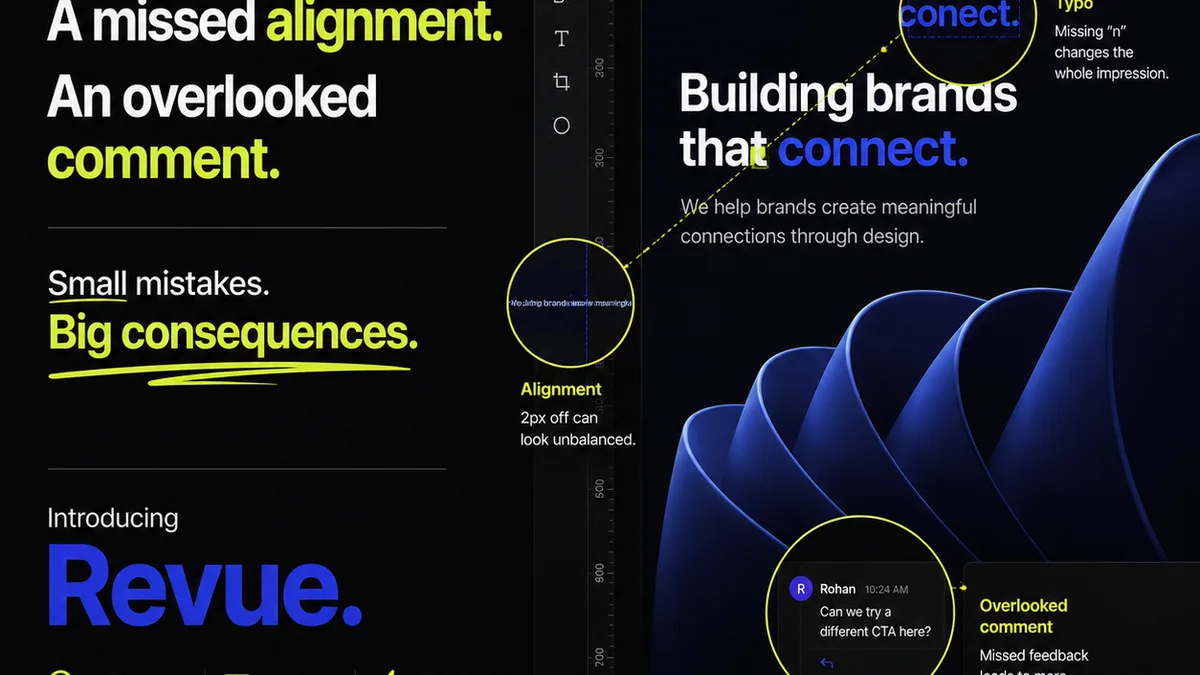
Managing feedback, revisions, and approvals is the core challenge Revue solves. It’s built to bring order to the chaos.
Instead of relying on scattered emails, spreadsheets, and endless Slack messages, Revue provides a single source of truth for all creative assets and feedback.
- Centralized Feedback: All comments are attached directly to the visual asset, with clear version history. No more hunting through email chains.
- Streamlined Revisions: Creative teams can see exactly what needs to be changed, reducing ambiguity and speeding up iteration.
- Clear Approval Workflows: Define who needs to review and approve, and track progress in real-time. Get notified when approvals are pending or completed.
- Version Control: Every version is stored, so you can always revert or compare. Say goodbye to the “final_final_v3.pdf” problem.
- Quality Assurance: Use checklists and standardized review processes to ensure all assets meet brand and technical requirements before final delivery.
By centralizing these critical steps, Revue helps agencies and in-house teams move from reactive firefighting to proactive project management. It ensures that creative work is seen, understood, and approved efficiently.
Final Thought
The goal of any creative project isn't just to produce something beautiful. It's to produce something that achieves a business objective, on time and on budget. The approval process is not a passive waiting game; it’s an active, critical phase that requires structure, clarity, and collaboration.
Are you still treating creative approval as an afterthought, or have you built a system that actively supports your team and your clients?
Frequently asked questions
What is the biggest mistake agencies make with creative approvals?
The biggest mistake is treating creative approval as a passive waiting period rather than an active, structured process. This often leads to vague feedback, endless revisions, and project delays because the system isn't designed to handle input effectively.
How can I get clearer feedback from clients?
Educate your clients on the importance of specific, actionable feedback. Establish a clear approval chain, define who has the final say, and use tools that allow for contextual comments directly on the creative asset. Set clear deadlines for feedback to encourage timely responses.
What are the key elements of an effective creative approval process?
An effective process includes a defined approval chain of command, standardized feedback mechanisms (like a dedicated tool), time-bound feedback cycles, clear communication of deadlines and consequences for delays, and ongoing education for clients and stakeholders about the process.
How does a tool like Revue help improve creative approval?
Revue centralizes all creative assets, feedback, and approvals in one place. This eliminates confusion from scattered emails, provides clear version control, streamlines revision cycles by making feedback actionable, and offers visibility into the approval status, ultimately speeding up the entire process.