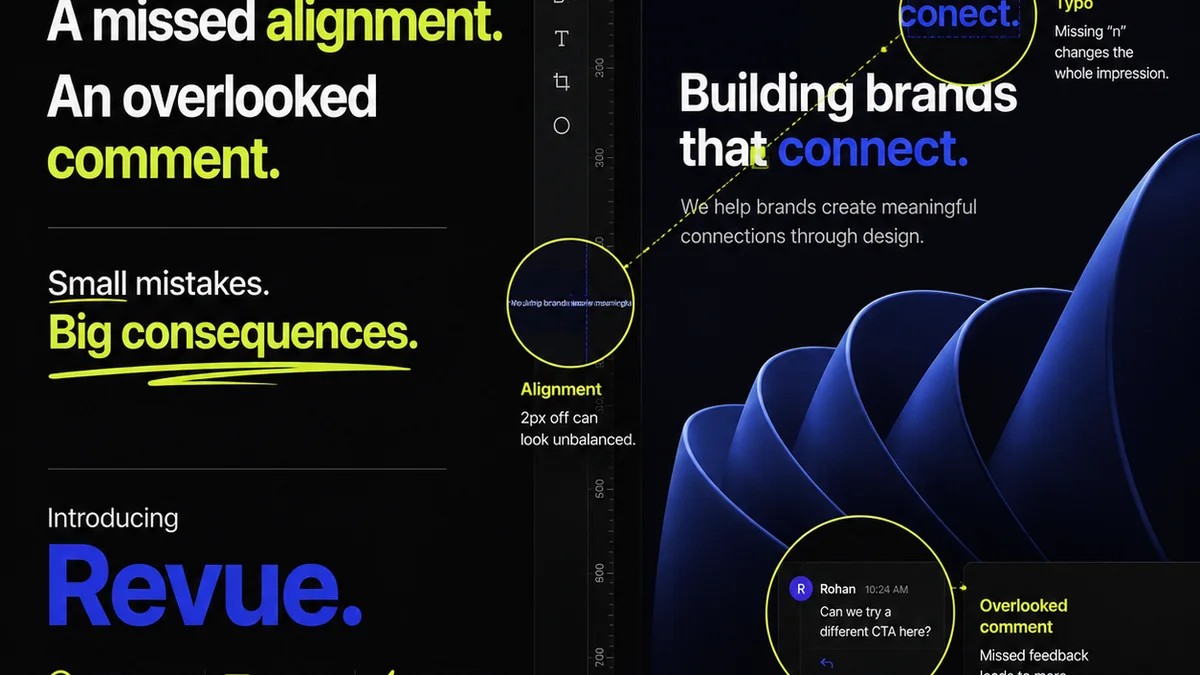
Everyone says a good creative brief is the key to a successful project. Clients need to be clearer. Account managers need to ask better questions. Designers need to push back more. None of that is wrong. But it’s incomplete.
The deeper, harder truth is that your agency’s creative intake process itself is likely broken. It’s not just about the brief; it’s about how you receive, interpret, and action that information. Fixing intake means fixing your internal systems, not just asking clients to do more work.
1. The Brief Isn't the Problem. Your Process Is.
We’ve all seen them: the vague, one-sentence briefs that lead to scope creep and client frustration. It’s easy to point fingers. But what if the brief *was* perfect, and the project still went sideways?
That happens when your intake process is a black hole. Information goes in, and vaguely related work comes out weeks later. There’s no structured way to:
- Capture all necessary context.
- Validate assumptions.
- Ensure alignment across your team.
- Establish clear success metrics upfront.
A good brief is a symptom of a good intake process, not the sole cause of project success.
The
Frequently asked questions
What is a creative intake process?
A creative intake process is the system an agency or creative team uses to gather, organize, and understand all the information needed to start a new project. It includes receiving client briefs, asking clarifying questions, and ensuring all stakeholders have the necessary context before creative work begins.
Why is a good creative brief important?
A good creative brief provides a clear roadmap for the project. It defines objectives, target audience, key messages, deliverables, budget, and timeline. A well-written brief minimizes misunderstandings, reduces scope creep, and sets the project up for success by ensuring everyone is aligned on goals and expectations.
How can technology help improve creative intake?
Technology like specialized intake forms, project management software, and centralized feedback tools can streamline the process. These tools help ensure all necessary information is captured consistently, facilitate clear communication, track progress, and provide a single source of truth for project details, reducing errors and delays.
What are the common pitfalls in creative intake?
Common pitfalls include vague or incomplete briefs, lack of a standardized intake process, poor communication between account managers and creative teams, insufficient client discovery, and failing to define success metrics upfront. These issues can lead to wasted time, budget overruns, and dissatisfied clients.