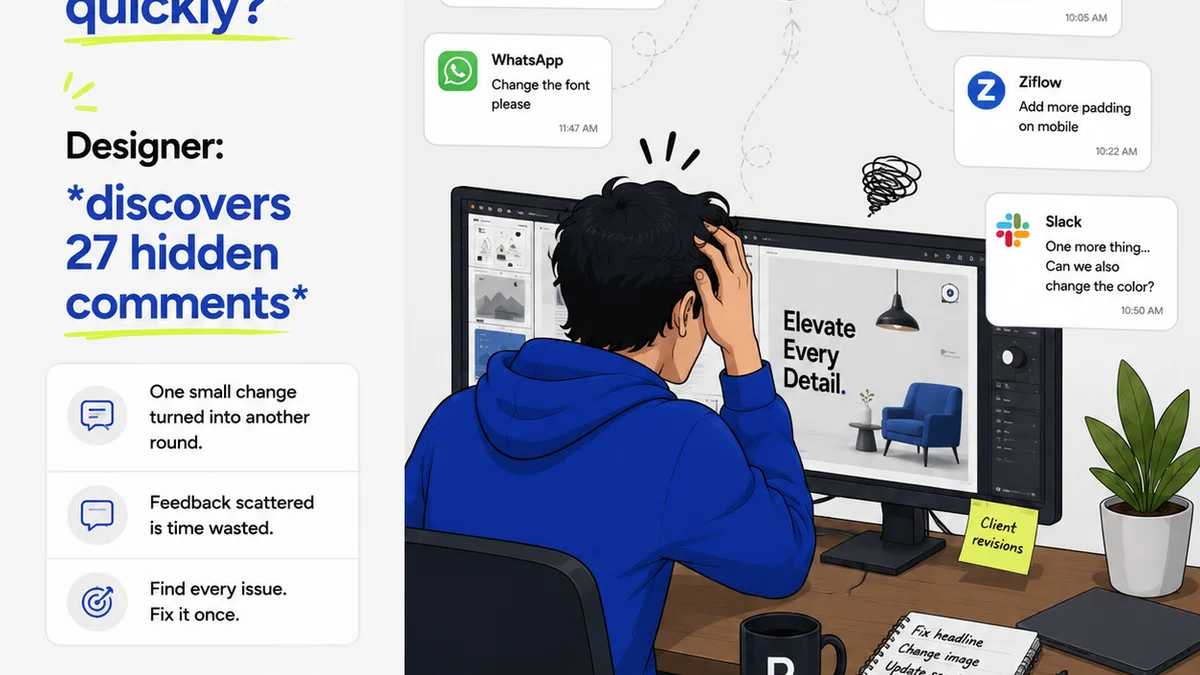
Everyone talks about creative intake software as a way to get more information. Better briefs, clearer requirements, fewer misunderstandings. That’s all true.
But it’s incomplete.
The real value of a strong creative intake process, and the software that supports it, isn’t just about collecting data. It’s about setting expectations, defining success, and building a foundational understanding that prevents costly rework and misalignment down the line. It’s the difference between a project that sails and one that sinks before it even leaves the harbor.
1. Beyond the Form: The Brief as a Conversation Starter
Most creative intake tools treat the brief like a static document. A form to be filled out, checked off, and filed away. This is where the assumption breaks down.
A brief isn’t a contract; it’s the start of a dialogue. The software should facilitate this, not hinder it.
The Problem with Static Briefs
When a brief is just a form:
- Key context gets lost in lengthy text fields.
- Questions that arise *after* the form is submitted go unanswered.
- Stakeholders can’t easily clarify ambiguities before work begins.
- The creative team is left guessing about nuances.
This leads to assumptions. And assumptions are the silent killers of creative projects.
Shifting to Dynamic Intake
Your intake software should enable a back-and-forth. Think of it as a shared workspace for the project’s genesis.
- Allow for integrated Q&A directly within the brief document.
- Enable stakeholders to add clarifying notes or links easily.
- Provide visibility into who has reviewed and approved the brief’s requirements.
- Use conditional logic to ask follow-up questions based on initial answers, making the brief smarter.
This isn’t just about efficiency; it’s about building shared clarity from minute one. It’s proactive problem-solving.
2. Defining
Frequently asked questions
What is creative intake software?
Creative intake software is a tool designed to streamline the process of gathering project requirements and information from clients or internal stakeholders before creative work begins. It typically involves digital forms, templates, and workflows to ensure all necessary details are captured consistently and clearly.
How can intake software improve client communication?
By providing a structured and transparent way to collect project details, intake software reduces misunderstandings and ensures all parties are aligned on project scope and objectives from the outset. Features like Q&A within the brief and status tracking enhance communication.
What are the benefits of a dynamic creative brief?
A dynamic brief, often supported by advanced intake software, allows for interactive clarification and contextual follow-up questions. This leads to a more thorough understanding of project needs, fewer assumptions, and ultimately, less revision time and higher client satisfaction.
Can intake software help with project scope creep?
Yes, by clearly defining project requirements, deliverables, and objectives upfront through a well-structured intake process, software can act as a reference point to manage scope creep. It helps establish a baseline against which any requested changes can be evaluated.