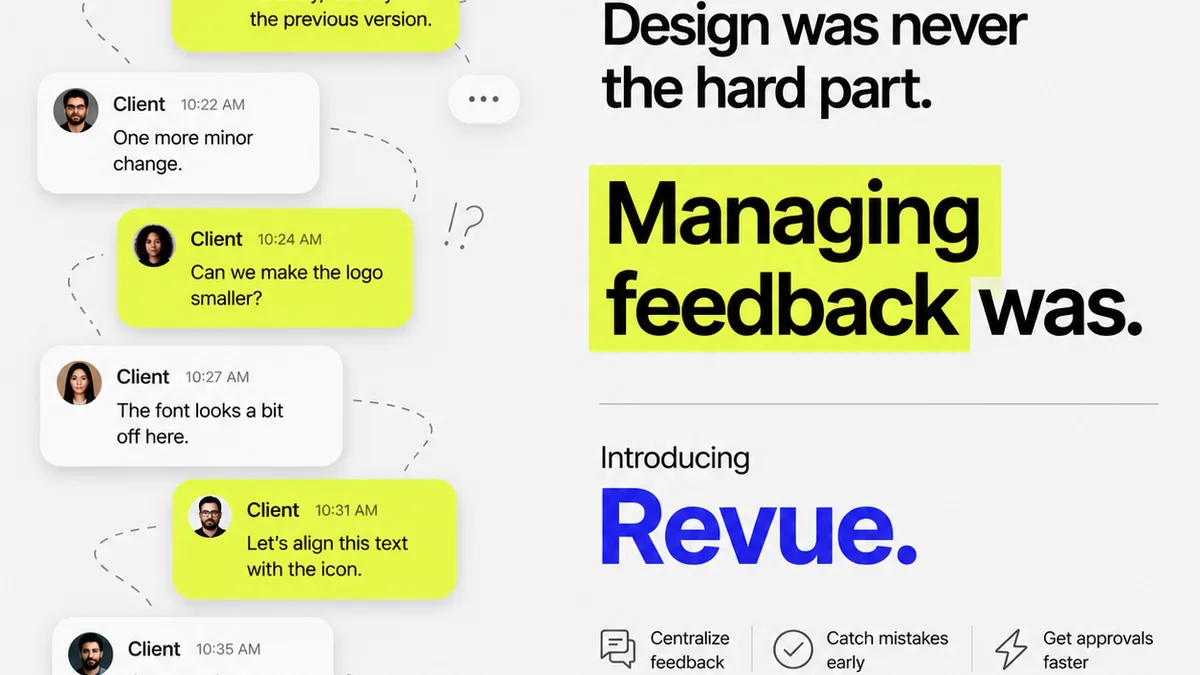
Everyone talks about creative project management like it’s a magic wand. Wave it, and suddenly briefs are clear, clients are happy, and deadlines are met without a hitch. Sound familiar?
None of that is wrong. But it’s incomplete.
The hard truth? Effective creative project management isn’t about a single tool or a perfect template. It’s about building a system that forces clarity, surfaces problems early, and keeps everyone moving in the same direction. It’s about operational excellence, not just task tracking.
1. Define the 'Done' Before You Start
The biggest killer of creative projects isn’t scope creep; it’s undefined scope. We assume everyone understands what success looks like. They don't.
A clear definition of done is your project’s North Star. It’s not just the final deliverable. It’s the criteria that deliverable must meet to be considered complete and successful.
What Does 'Done' Really Mean?
- Functional Requirements: Does it work as intended? (e.g., a website loads in under 3 seconds, a form submits correctly).
- Client Approval Criteria: What specific feedback loops are included? What constitutes a final sign-off? (e.g., two rounds of feedback, one round of revisions, final sign-off via email).
- Brand Alignment: Does it adhere to brand guidelines?
- Technical Specifications: Does it meet necessary technical constraints? (e.g., file formats, resolution, accessibility standards).
- Business Objectives: Does it serve the original business goal? (e.g., increased conversion rate, improved brand recall).
Without this, you’re building in the dark. Every decision becomes a negotiation, and
Frequently asked questions
What is the most common mistake in creative project management?
Assuming everyone has the same understanding of project goals and 'done.' This leads to misalignment, scope creep, and frustration for both the team and the client.
How can I improve client feedback loops?
Establish clear feedback guidelines upfront, define what constitutes actionable feedback, and centralize all communication to avoid misinterpretations and lost comments.
What role does technology play in better creative project management?
Technology should streamline communication, centralize feedback, and provide clear visibility into revision and approval status. Tools should support the process, not dictate it.
How do I handle scope creep effectively?
By having a clearly defined 'done' from the outset and a transparent change request process. Any deviation from the original scope should be formally documented, assessed for impact, and approved.