Everyone wants a more efficient creative team. It’s the holy grail for agency owners and creative directors alike. You hear about agile, sprints, and new software promising miracles. These tools and methodologies can help.
But they’re often treated like magic bullets.
The hard truth? True creative team efficiency isn't about adopting the latest trend. It’s about deeply understanding and systematically improving your actual workflow. It’s about the nitty-gritty of how work gets done, from brief to final delivery. And that’s where most agencies fall short.
1. The Myth of Uninterrupted Flow
We imagine creatives in a state of zen, deep in concentration, producing masterpieces without interruption. This is a fantasy.
Real creative work is messy. It involves collaboration, client input, technical hurdles, and endless context switching. The goal isn't to eliminate all interruptions—that’s impossible. The goal is to manage them intelligently.
The Real Bottlenecks
Interruptions aren’t the enemy; *unmanaged* interruptions are. Think about:
- Constant pings from Slack or email demanding immediate attention.
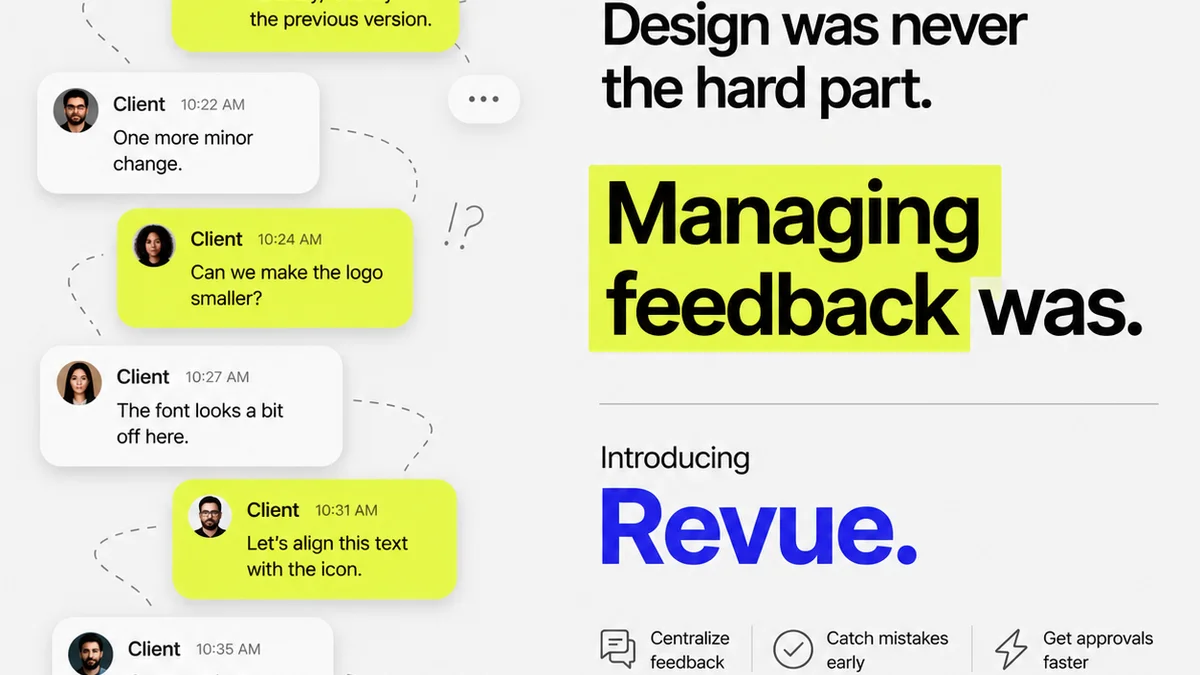
- Clients asking for quick, undocumented
Frequently asked questions
What’s the biggest mistake agencies make when trying to improve efficiency?
Focusing on external tools or methodologies without first understanding and optimizing their internal processes. Quick fixes rarely address the root causes of inefficiency.
How can I identify the real bottlenecks in my creative workflow?
Map out your current process step-by-step. Talk to your team about where they get stuck or experience delays. Look for recurring issues like waiting for feedback, rework loops, or unclear briefs.
Is it possible to eliminate all interruptions for creative teams?
No, and trying to do so is counterproductive. The key is to manage interruptions effectively, batching similar tasks, setting clear communication expectations, and protecting focused work time.
How does client feedback impact creative team efficiency?
Unclear, delayed, or disorganized client feedback is a major efficiency killer. Implementing a structured feedback and approval process, with clear version control, is crucial.