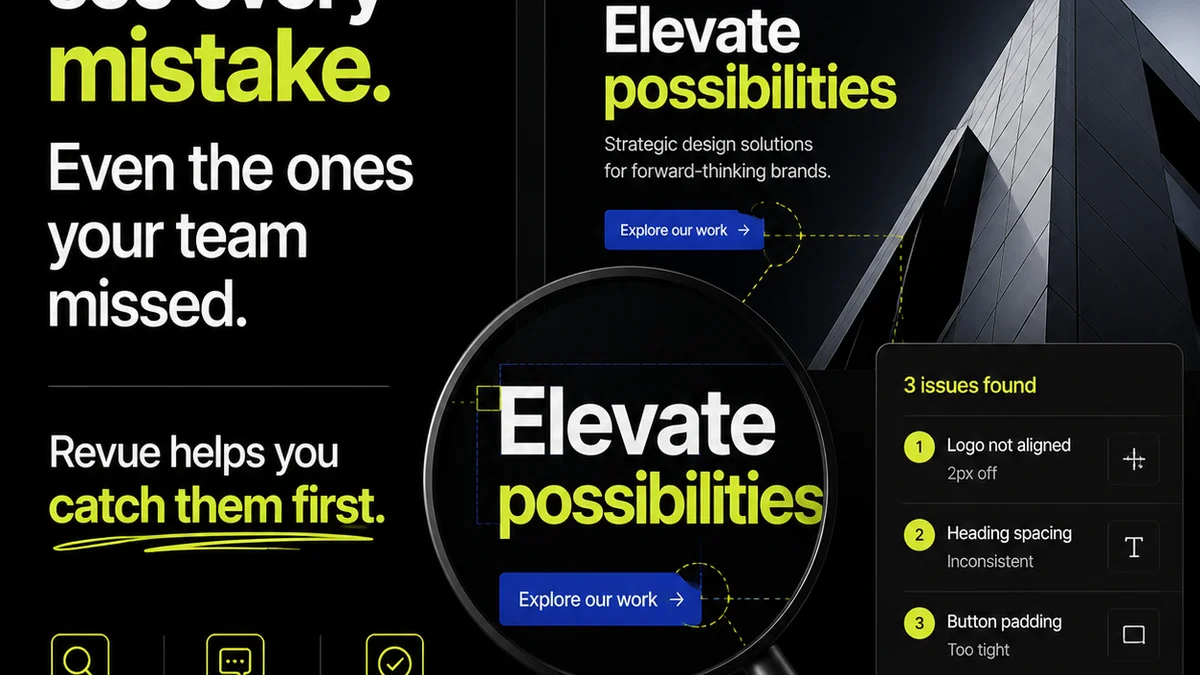
Everyone agrees that good design feedback tools are essential for creative agencies and in-house teams. You need something better than endless email chains or scattered Slack messages to manage client input and internal reviews.
None of that is wrong. But it’s incomplete.
The deeper truth is that simply *having* a tool isn't enough. The real challenge—and the real opportunity—lies in how you use those tools to improve the entire design feedback loop. It’s less about the software itself and more about the workflow and process you build around it.
1. The Illusion of Centralization
Many teams adopt a design feedback tool thinking it’s a silver bullet for scattered communication. They upload files, invite clients, and expect magic. What often happens instead is a new kind of chaos.
Feedback still comes in late. It's still vague. It's still contradictory. The tool becomes a digital landfill, not a collaborative hub.
Why?
- Clients don't understand *how* to use the tool effectively.
- Internal teams don't have clear guidelines for processing feedback.
- The tool is seen as a place to dump comments, not a system for structured review.
The assumption is that centralizing feedback automatically means clearer, actionable input. The hard truth is that centralization without structure is just consolidation of noise.
2. Defining
Frequently asked questions
What are the biggest mistakes agencies make with design feedback tools?
Agencies often assume that simply adopting a tool will solve communication issues. They fail to establish clear workflows, provide client training, or define what constitutes actionable feedback. This leads to the tool becoming a dumping ground for vague or contradictory comments, rather than a system for productive collaboration.
How can I ensure clients provide better feedback?
Clearly define the scope of feedback for each review stage. Provide brief, actionable guidance on how to use the tool (e.g., 'use the annotation tool for specific element feedback, use the comment thread for overall thoughts'). Set clear deadlines for feedback submission and stick to them. Most importantly, train clients on your process before the first project begins.
What makes a design feedback tool truly effective?
An effective tool goes beyond simple annotation. It allows for version control, clear revision tracking, status updates, and integrates seamlessly with your workflow. It should facilitate structured communication, minimize ambiguity, and provide visibility into the entire review and approval process, not just individual comments.
How does Revue help improve the design feedback process?
Revue acts as a central hub for all client feedback and revision tracking. It provides clear visibility into the status of each review, helps manage approvals, and ensures that feedback is contextualized and actionable. This structured approach minimizes miscommunication and streamlines the path from feedback to final approval.