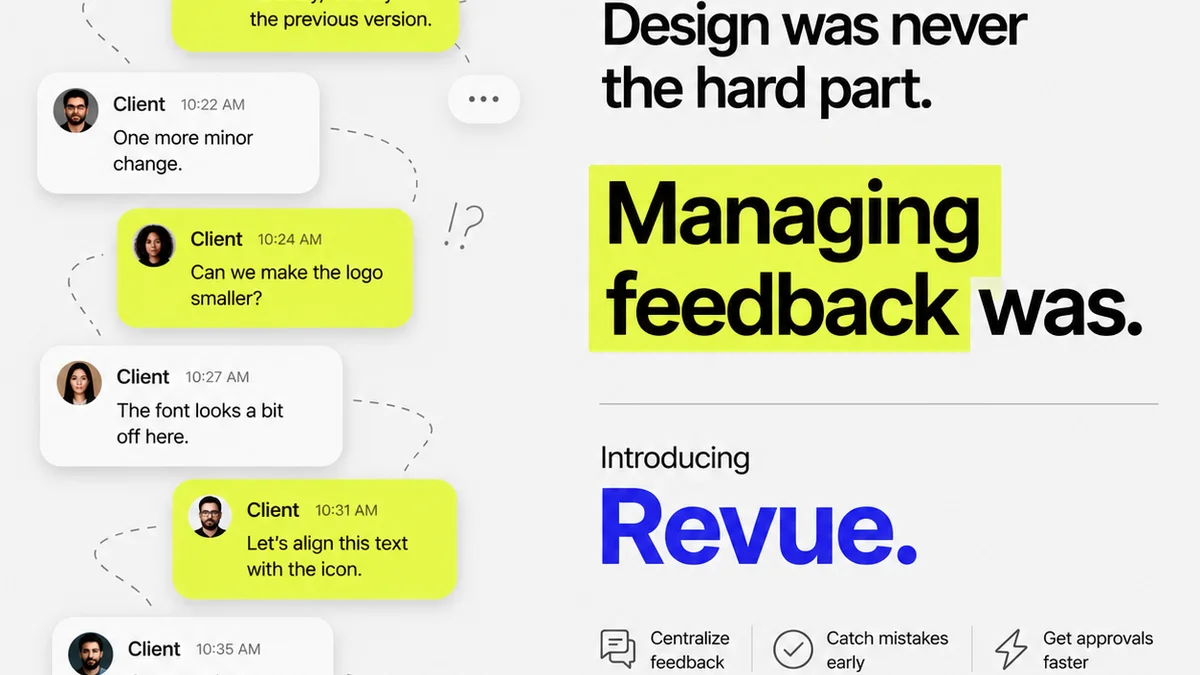
Everyone thinks design QA is about catching typos and broken links. That’s the surface level. It’s a necessary step, sure, but it’s not the whole story. Focusing only on the final polish misses the fundamental operational issues that lead to errors in the first place.
The hard truth? Effective design quality assurance isn't a task you tack on at the end. It’s a systemic approach woven into your entire creative workflow, from brief to final delivery. It’s about building quality in, not just checking for flaws.
1. Define
Frequently asked questions
What is the most common mistake agencies make with design QA?
The most common mistake is treating design QA as a purely technical or last-minute checklist. This overlooks the root causes of errors, which often stem from unclear briefs, rushed timelines, or poor communication during the creative process. True QA is integrated, not isolated.
How can design QA improve client satisfaction?
By catching errors early and ensuring consistency, design QA minimizes the need for last-minute client revisions due to preventable mistakes. This leads to a smoother client experience, builds trust, and delivers a more polished final product that exceeds expectations.
What are the key components of a robust design QA process?
A robust process includes clear project briefs, standardized asset requirements, consistent review stages, version control, automated checks where possible, and a clear communication channel for feedback and sign-offs. It prioritizes proactive quality building over reactive error correction.
Can design QA be automated?
To some extent, yes. Automated tools can check for broken links, code consistency, accessibility issues (like contrast ratios), and adherence to style guides. However, human oversight is crucial for subjective elements like brand alignment, usability, and overall creative intent.