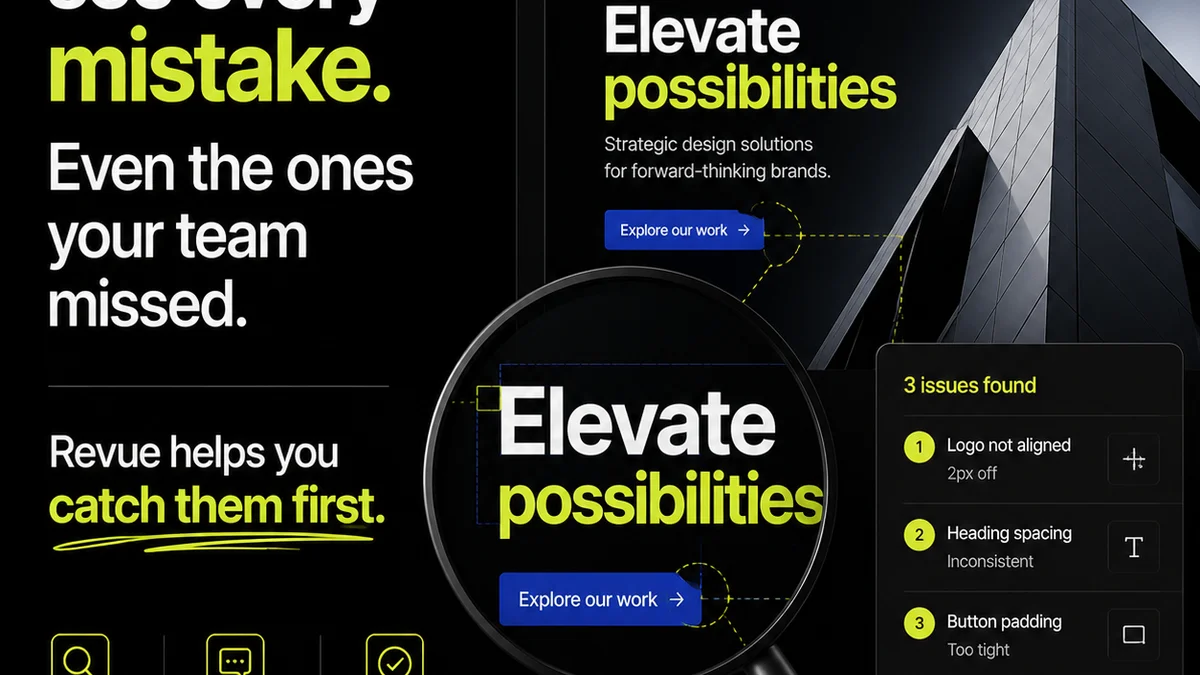
Everyone thinks improving design revisions means telling designers to be faster, more compliant, or just better. None of that is wrong. But it’s incomplete.
The real bottleneck isn't design skill. It’s the chaos of client feedback.
The hard truth? Your entire revision process is likely broken, and it’s costing you time, money, and sanity. It’s not about *what* your designers do, but *how* you manage the feedback loop.
1. The Illusion of Clarity: Why Feedback Goes Sideways
Clients think they’re being clear. You think you’re relaying it clearly. But somewhere in translation, the message gets garbled.
This isn't malice. It’s human nature. We assume others see what we see, understand what we mean.
Common symptoms of this breakdown:
- Vague comments: “Make it pop more.” “I don’t love this.”
- Contradictory feedback: “More blue.” “Less blue.”
- Feedback after approval: “Actually, can we change X?”
- Scope creep disguised as a revision.
- Key stakeholders silent until the last minute.
Each of these creates rework. Rework kills deadlines and profits.
The
Frequently asked questions
What is the biggest mistake agencies make with design revisions?
The biggest mistake is treating design revisions as a purely design problem. The real issue is almost always the client feedback process itself – its clarity, timeliness, and organization.
How can I get clearer feedback from clients?
Start with a clear brief and a structured feedback process. Use tools that allow for annotated comments directly on the design. Schedule dedicated feedback sessions and define who the final approver is.
Can technology really improve design revision cycles?
Yes. Centralized platforms for feedback and approvals eliminate scattered emails and messages. They create a single source of truth, ensuring all feedback is captured, tracked, and addressed, significantly streamlining revisions.
How do I prevent scope creep during design revisions?
Clearly define the scope of revisions in your contract and brief. Use a system to track all requested changes. If a request falls outside the agreed scope, flag it immediately and discuss additional costs or timeline adjustments.