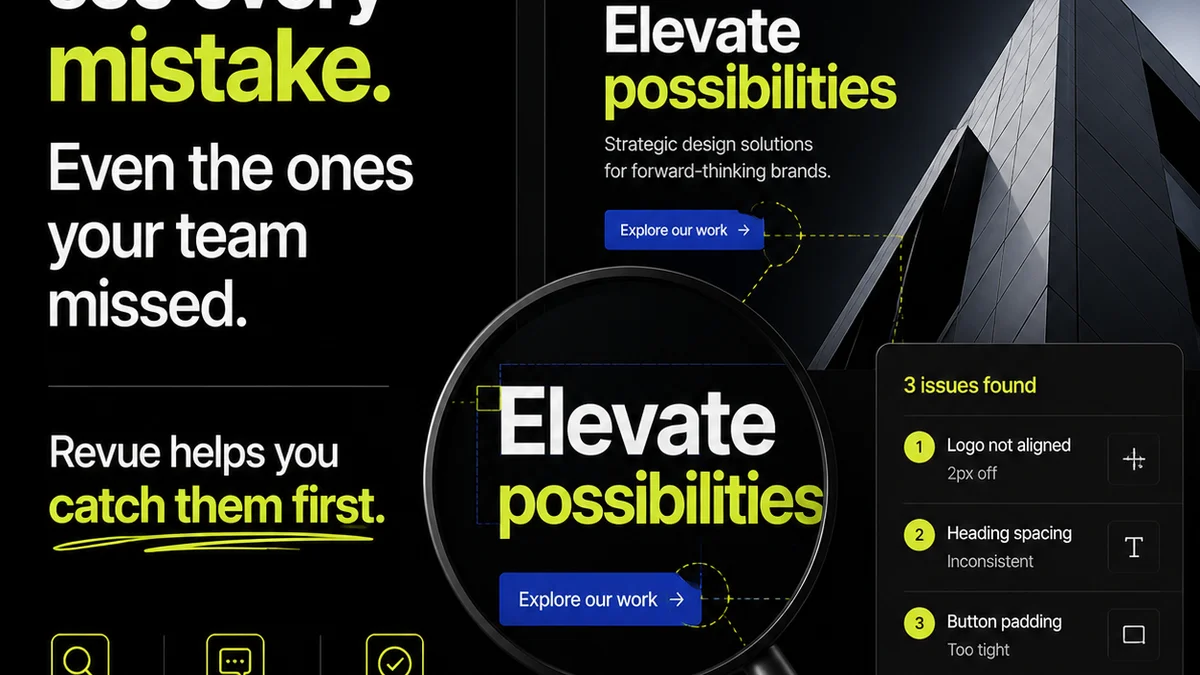
Everyone thinks endless revisions are just part of the job. A necessary evil. A sign of a demanding client, or maybe a creative that just can’t get it right. None of that is wrong. But it’s incomplete.
The hard truth is that endless revisions aren’t just about the client or the creative. They’re a symptom of broken processes. They’re a drain on time, budget, and morale. And they’re entirely fixable.
1. Blame the Brief, Not the Briefing
You got a brief. It looked fine. But somewhere between the client’s mouth and your designer’s screen, the brief went sideways. This isn’t about the client not knowing what they want. It’s about the brief not capturing it accurately, or not having the right context.
A weak brief is a recipe for scope creep and endless revision cycles. It’s the root of so many problems.
The Vague Brief Symptoms
- “Make it pop.”
- “I don’t know what I want, but I’ll know it when I see it.”
- “Can we try this in blue? And maybe red? And green?”
- “Just… make it better.”
These aren’t just annoying phrases. They’re red flags. They signal a lack of clear objectives, target audience definition, or desired outcomes.
What a Real Brief Looks Like
A strong brief isn’t just a document; it’s a shared understanding. It should clearly outline:
- Project goals and objectives.
- Target audience.
- Key messages.
- Mandatory elements (logos, taglines, legal disclaimers).
- Deliverables and formats.
- Tone of voice and brand guidelines.
- Examples of what they like (and dislike) with *reasons why*.
- Success metrics.
When the brief is tight, the creative direction is clear. Revisions become about refinement, not reinvention.
2. The Feedback Black Hole
Client feedback. It’s the lifeblood of creative work. It’s also the most common bottleneck. Feedback arrives late, is contradictory, comes from too many people, or is buried in email chains.
This isn't just inefficient; it actively harms the work. It breaks creative flow and leads to version control nightmares.
Where Feedback Goes to Die
- Scattered across Slack, email, and personal messages.
- Delivered verbally without documentation.
- Provided by multiple stakeholders without a clear decision-maker.
- “General comments” that offer no actionable direction.
- Late feedback that requires significant rework.
This chaos means your team is constantly trying to decipher unclear instructions or re-do work based on feedback that arrived after the fact.
Centralize and Clarify
The solution? Centralized feedback. A single source of truth where all comments, markups, and approvals live. This eliminates ambiguity and ensures everyone is working from the same information.
When feedback is consolidated, you can easily track changes, identify patterns, and manage the revision process systematically. No more digging through old emails to find that one crucial comment.
3. The Illusion of Progress: Version Control Nightmares
How many versions of a file do you have on your server right now? `logo_final.ai`, `logo_final_v2.ai`, `logo_final_really_final.ai`, `logo_final_client_edits.ai`? It’s a joke, but it’s a painful reality for many creative teams.
This lack of clear version control leads to significant errors. The wrong file gets sent. A crucial edit is missed. Hours of work are lost.
Symptoms of Version Chaos
- Sending the wrong file to print or publish.
- Reverting to an older version by mistake.
- Difficulty tracking which changes were made when.
- Wasted time searching for the correct file.
- Confusion about the current state of the project.
Establish a Clear Workflow
Implement a system for naming files and managing versions. Use a consistent, logical structure. Better yet, use a tool that automates this for you.
This ensures that the most up-to-date and approved version is always accessible. It’s a small change that prevents massive headaches.
4. The Approval Abyss
You’ve done the work. You’ve incorporated feedback. Now, you need approval. And you wait.
Waiting for approval is a silent killer of productivity. It stalls projects, impacts cash flow, and frustrates both your team and the client.
Why Approvals Get Stuck
- Decision-makers are busy or unavailable.
- Lack of a clear approval process.
- Feedback loop is too long or informal.
- Client isn’t sure what they’re approving.
- No defined timeline for feedback.
This isn’t just about waiting. It’s about the uncertainty and the potential for scope creep that accompanies it.
Formalize the Sign-Off
Make approval a formal step. This means clearly defining who needs to approve what, and by when. Use a system that requires a clear, documented sign-off.
When approvals are tracked and formalized, you gain visibility into project status. You can proactively chase down sign-offs and keep the project moving.
Where Revue Fits In
Managing client feedback and revisions is tough. It requires clarity, organization, and a streamlined process. That’s where Revue comes in.
Revue provides a central hub for all your creative projects. It allows clients to leave feedback directly on the work, with clear annotations and comments. No more digging through emails.
You get a clear audit trail of all feedback and revisions. This means accountability and transparency. You can see exactly what was requested, when, and by whom.
With Revue, you can manage revision rounds effectively, track approvals, and ensure quality checks are performed. It brings order to the chaos of client collaboration, reducing endless revisions and speeding up project delivery.
5. The
Frequently asked questions
What causes endless client revisions?
Endless revisions are often caused by unclear briefs, scattered or ambiguous feedback, poor version control, and delayed or informal approval processes. These issues stem from a lack of structured workflow rather than solely client indecision.
How can I get clearer feedback from clients?
To get clearer feedback, ensure your initial brief is comprehensive and detailed. During the review process, centralize all feedback in one place, ask clarifying questions, and designate a single point of contact for approvals. Providing clients with specific options can also help guide their decisions.
What is the best way to manage file versions?
The best way to manage file versions is to establish a clear, consistent naming convention and use a system that automatically tracks revisions or allows for easy rollback. Centralized platforms that handle version control automatically are ideal for preventing errors and confusion.
How can I speed up client approvals?
Speed up approvals by clearly defining the approval process upfront, including who needs to approve, by when, and what constitutes final approval. Use a dedicated tool for collecting sign-offs, setting automated reminders, and ensuring all necessary stakeholders have reviewed the work.