The common wisdom for improving manufacturing creative operations is simple: hire more people. More designers, more copywriters, more project managers. It sounds logical. More hands mean more output, right?
None of that is wrong. But it’s incomplete.
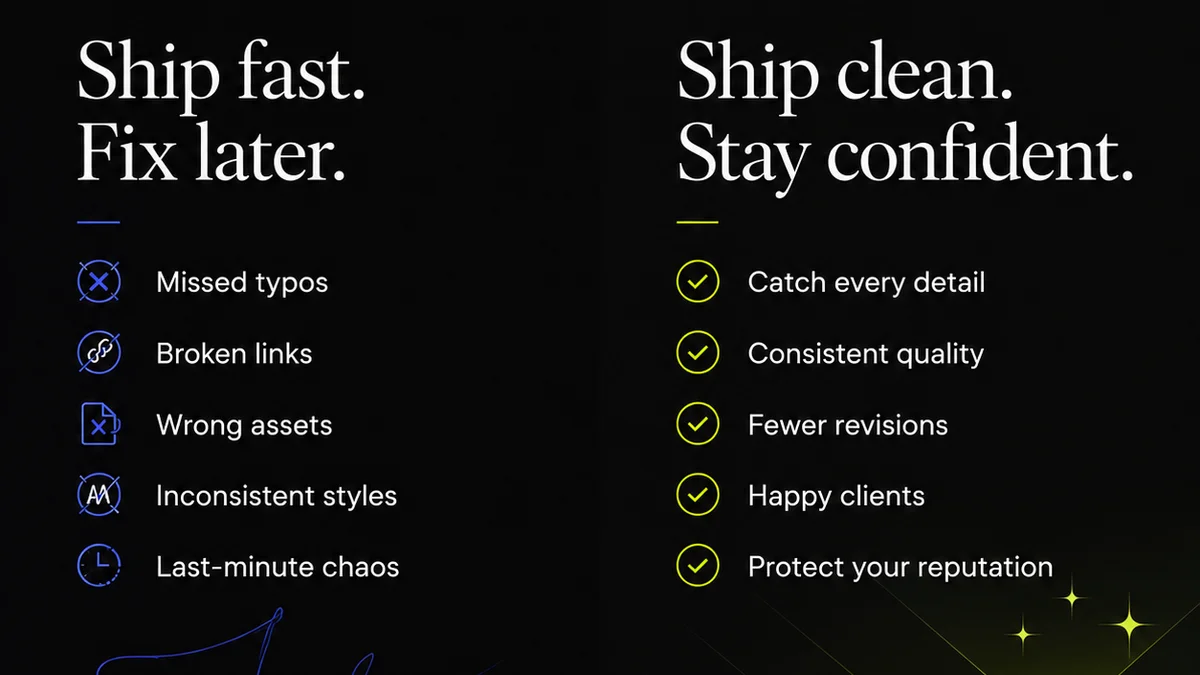
The hard truth is that simply adding headcount without addressing the underlying workflow is like pouring more water into a leaky bucket. You just end up with more mess. True improvement in manufacturing creative operations comes from building a robust, transparent system that manages feedback, revisions, and approvals efficiently.
1. The Myth of the 'Creative Genius' Silo
Many manufacturing companies still operate under the assumption that their best creative work comes from isolated
Frequently asked questions
What are the biggest bottlenecks in manufacturing creative operations?
Common bottlenecks include unclear or delayed client feedback, manual revision tracking, lack of a centralized approval process, and inefficient file version control. These issues often lead to project delays and increased costs.
How can technology help improve manufacturing creative operations?
Technology can automate repetitive tasks, centralize communication, provide clear audit trails for feedback and approvals, and improve collaboration. Tools for project management, digital asset management (DAM), and client feedback specifically address these pain points.
Why is clear client feedback crucial for manufacturing creative operations?
Clear feedback ensures that creative work aligns with client objectives from the outset. Ambiguous or conflicting feedback leads to wasted revisions, scope creep, and ultimately, client dissatisfaction. A structured feedback process minimizes these risks.
What is the role of quality control in creative operations?
Quality control in creative operations ensures that all deliverables meet brand standards, technical specifications, and client requirements before final approval. It acts as a final check to catch errors and ensure consistency, preventing issues from reaching production or the end-user.