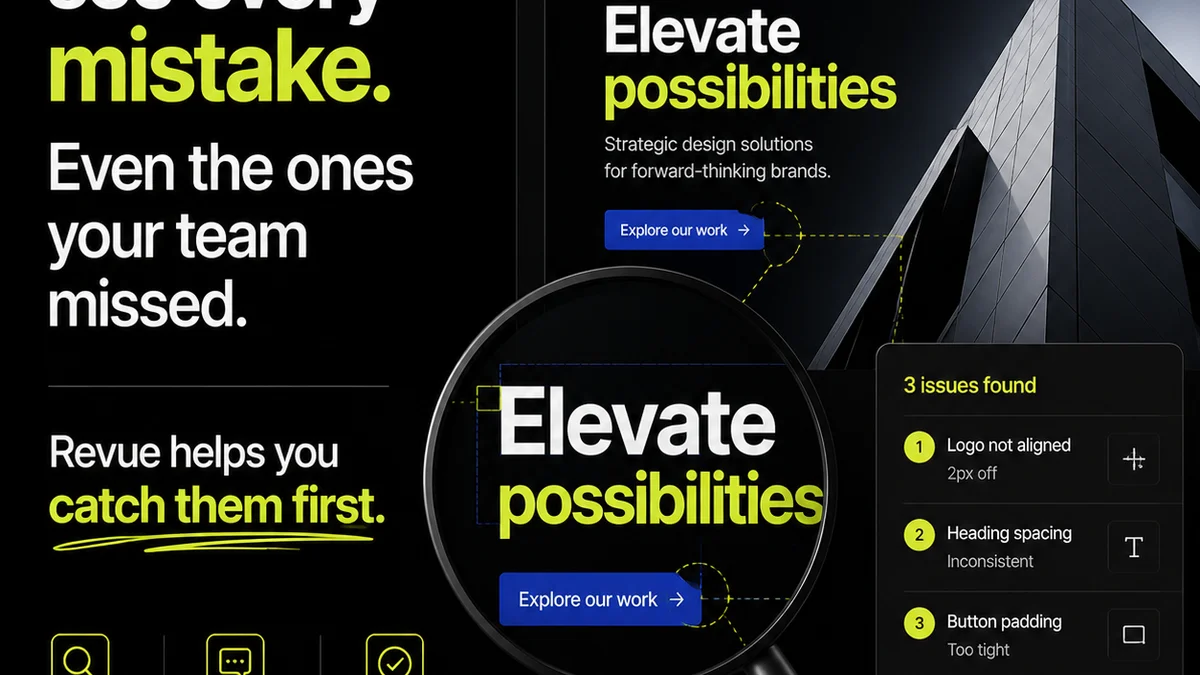
Everyone *thinks* they know how to manage creative revisions. Just get feedback, make changes, get approval. Simple, right?
None of that is wrong. But it’s incomplete.
The hard truth is that most teams aren't just passively waiting for feedback. They're actively *creating* the chaos that leads to endless revisions. The problem isn't the feedback itself; it's the broken process of collecting, interpreting, and acting on it.
If your marketing asset revisions feel like a never-ending cycle of tweaks, nudges, and outright re-dos, you're not alone. But you're also not stuck. Improving how you handle revisions boils down to operational discipline, not just creative talent.
1. The Feedback Black Hole: Where Good Intentions Go to Die
The most common mistake? Treating feedback like a treasure hunt. It’s scattered across emails, Slack channels, comment threads, and even verbal notes in meetings. Each piece is a potential gem, but finding them, organizing them, and ensuring nothing gets lost is a full-time job in itself.
This fragmentation leads to:
- Missed feedback points.
- Conflicting instructions from different stakeholders.
- Wasted time searching for context.
- Assumptions about what needs changing.
- The dreaded
Frequently asked questions
What are the biggest challenges in managing marketing asset revisions?
Scattered feedback across multiple channels, conflicting stakeholder opinions, lack of clear version control, and unclear project briefs are the most common culprits that prolong and complicate revision cycles.
How can I ensure all feedback is captured?
Centralize all communication and feedback in a single platform. This prevents valuable notes from getting lost in email threads or chat logs. Implement a clear process for stakeholders to submit feedback within the designated tool.
What's the best way to handle conflicting feedback?
Establish a clear decision-maker or review board *before* the project begins. This individual or group has the final say on creative direction and can reconcile conflicting input from different stakeholders, ensuring a unified path forward.
How can version control be improved for marketing assets?
Use a system that automatically tracks versions and allows for easy rollback. This ensures everyone is working on and reviewing the latest iteration, reducing confusion and preventing outdated designs from being approved.