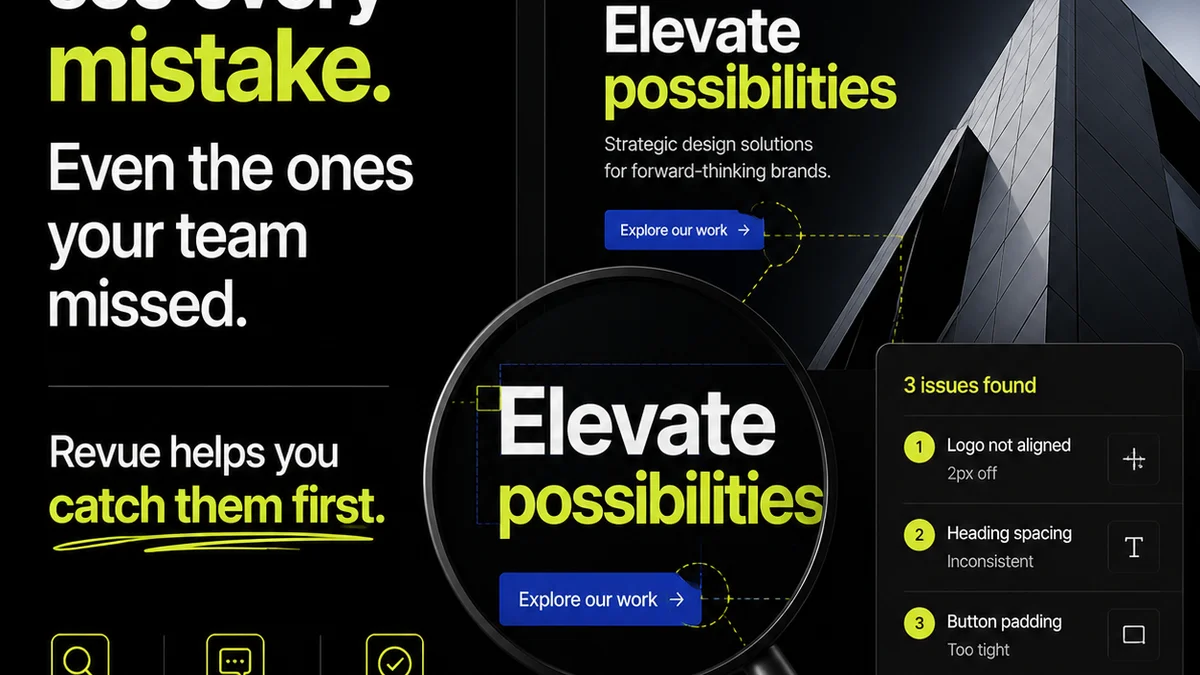
Everyone thinks revision management software is about tracking changes. That’s the surface-level stuff. The version history, the annotation tools, the approval workflows. None of that is wrong.
But it’s incomplete.
The real power of revision management software isn’t just about *seeing* what changed. It’s about building a reliable system that prevents wasted time, cuts down on miscommunication, and ultimately, makes your creative team more efficient and your clients happier. It’s about operational excellence, not just digital paperwork.
1. Rethink Feedback as Data, Not Just Comments
Most teams treat client feedback like a series of demands. They collect it, they act on it, and they move on. This is a missed opportunity.
The reality is, feedback is a rich source of data about client expectations, project scope, and even your own team’s execution. How you capture and analyze this data directly impacts the quality and efficiency of your revision process.
The Problem with Ad-Hoc Feedback
- Emails get lost.
- Slack messages are buried.
- Verbal feedback is forgotten or misinterpreted.
- Different stakeholders provide conflicting input without a clear hierarchy.
When feedback is scattered, it’s impossible to identify patterns or trends. You’re constantly reacting, putting out fires, rather than proactively improving your process.
Treating Feedback Like a System
Effective revision management software should do more than just collect feedback; it should structure it. This means:
- Centralization: All feedback, in one place, linked to the specific asset.
- Categorization: Tagging feedback by type (e.g., copy edit, design tweak, strategic concern, usability issue).
- Attribution: Clearly identifying who provided the feedback and when.
- Status Tracking: Marking feedback as acknowledged, in progress, completed, or rejected (with clear reasons).
This systematic approach transforms feedback from a chaotic stream into actionable intelligence. It allows you to see which clients or project types generate the most revisions, or which types of feedback cause the most friction.
2. Build Transparency into Every Step
Clients often feel in the dark during the revision process. They send notes, and then… they wait. They don’t know if their feedback was received, understood, or acted upon. This breeds anxiety and leads to follow-up emails and calls.
Your revision management software should be a beacon of clarity, for both your team and your client.
The Illusion of Control
Many tools offer a dashboard, but it’s often an internal-facing view. Clients might see a final approval button, but they lack visibility into the journey. This disconnect is a major source of friction.
The Solution: Shared Visibility
The best systems provide a client-facing portal or view that offers:
- Real-time Status Updates: Clients can see exactly where a project stands in the revision cycle.
- Clear Communication Trails: All feedback and responses are logged and visible.
- Defined Approval Gates: Clients understand when their input is needed and when a decision is final.
- Version History Access: Clients can easily see previous versions and understand the evolution of the work.
This level of transparency builds trust and manages client expectations proactively. It reduces the need for constant check-ins and allows your team to focus on the creative work, not on status updates.
3. Standardize Your Approval Process
Approvals are often the bottleneck in creative projects. They’re messy, subjective, and prone to scope creep.
The assumption is that a simple
Frequently asked questions
What are the key benefits of using revision management software?
Key benefits include centralized feedback, clear version history, streamlined approvals, reduced miscommunication, improved team collaboration, and enhanced client transparency, all leading to greater project efficiency and client satisfaction.
How can revision management software help manage client expectations?
By providing a transparent platform for feedback and approvals, clients can see the real-time status of their projects, understand the communication trail, and know exactly when their input is needed. This visibility reduces anxiety and manages expectations effectively.
Can revision management software prevent scope creep?
Yes, by clearly documenting all feedback and approvals, and by establishing defined approval gates, revision management software helps create a clear record of agreed-upon changes. This makes it easier to identify and manage requests that fall outside the original scope.
How does centralized feedback improve team efficiency?
Centralized feedback eliminates the need to search through scattered emails, messages, or documents. It ensures all team members are working from the same, up-to-date information, reducing confusion, saving time, and allowing creatives to focus on execution.