Everyone assumes endless revision rounds are the client's fault. They don’t know what they want. They change their mind. They’re impossible to please.
None of that is wrong. But it’s incomplete.
The hard truth is that your creative revision process is probably the weakest link in your client service. It’s where good intentions go to die, and profits bleed out. You can’t just wish for fewer revisions. You need to engineer them out.
1. The Real Reason for Scope Creep
Scope creep isn’t a client's malicious plot. It’s a symptom of unclear expectations and a lack of structured feedback.
Assumptions vs. Agreements
You assume the client understands the scope. They assume you’ll just “make it work.” This gap is where problems start. A project brief is just the beginning. What happens *after* the first draft is where the magic, or the mess, happens.
Most agencies treat feedback as a free-for-all. Email chains get long. Stakeholders get missed. The original brief gets forgotten.
Symptoms of a Broken Feedback Loop:
- Endless, vague feedback like “make it pop” or “I don’t like it.”
- Different stakeholders giving conflicting input.
- Revisions that feel like starting from scratch, again and again.
- Projects that stretch weeks, even months, past the deadline.
- Team frustration and burnout.
This isn’t about fixing the client. It’s about fixing your system for handling their input.
2. Structure the Feedback Process
You wouldn’t build a house without blueprints. Don’t manage creative revisions without a clear process.
Define Feedback Stages
Before the project even starts, agree on how feedback will be handled. This means defining:
- Who provides feedback.
- When feedback is due.
- What format feedback should take.
- How many rounds of revisions are included.
This isn’t about being rigid. It’s about setting clear guardrails. It ensures everyone knows what to expect.
The Power of the Brief
Your initial brief should be more than a handshake. It needs to be a signed-off document that outlines specific deliverables, goals, and success metrics. When feedback comes in, it should be measured against this brief.
“Does this revision align with the agreed-upon objectives?” is a much more powerful question than “Do you like it?”
Consolidated Feedback is Key
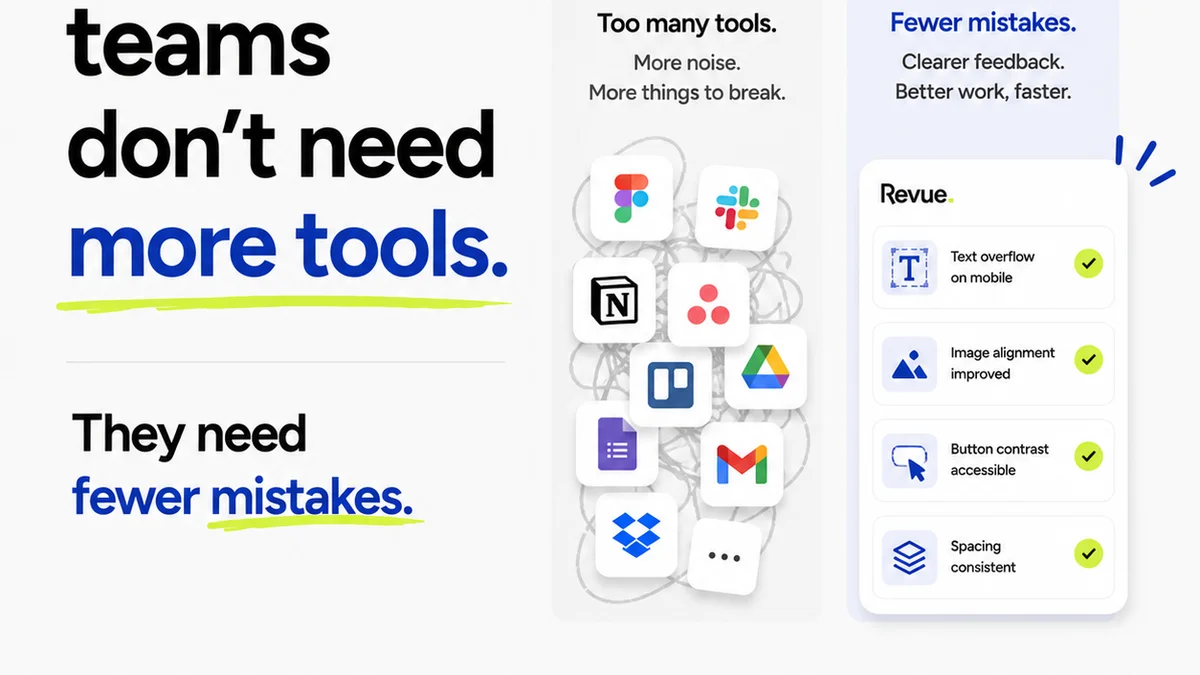
Scattered feedback is chaos. Centralize all client input. Use a single source of truth. This prevents conflicting messages and ensures all stakeholders are on the same page.
This is where tools designed for creative collaboration shine. Trying to manage feedback via email or Slack is a recipe for disaster.
3. Quantify and Qualify Revisions
The biggest drain on profitability isn't the revisions themselves, but the *unmanaged* revisions.
Set Revision Limits
This is non-negotiable. Your contract should clearly state the number of revision rounds included for the agreed-upon fee. Anything beyond that is an additional charge.
Be specific:
Frequently asked questions
What is the most common cause of excessive revision rounds?
The most common cause is a lack of a structured feedback process. This includes unclear expectations, scattered feedback from multiple stakeholders, and a failure to reference the original project brief and objectives.
How can I prevent scope creep during the revision process?
Prevent scope creep by clearly defining the number of revision rounds in your contract, establishing who provides feedback and when, and ensuring all feedback is consolidated and measured against the original project brief and goals. Anything outside this scope should be treated as a change order.
What's the best way to handle conflicting client feedback?
The best approach is to have a designated point person or account manager who consolidates all feedback. This person can then clarify ambiguities, identify conflicts, and present a unified response or seek further clarification from the client before proceeding with revisions.
How many revision rounds are typical for a creative project?
While there's no universal number, most agencies include 2-3 rounds of revisions in their initial quote. Complex projects or those with very subjective creative elements might require more, but this should always be discussed and agreed upon upfront with the client.