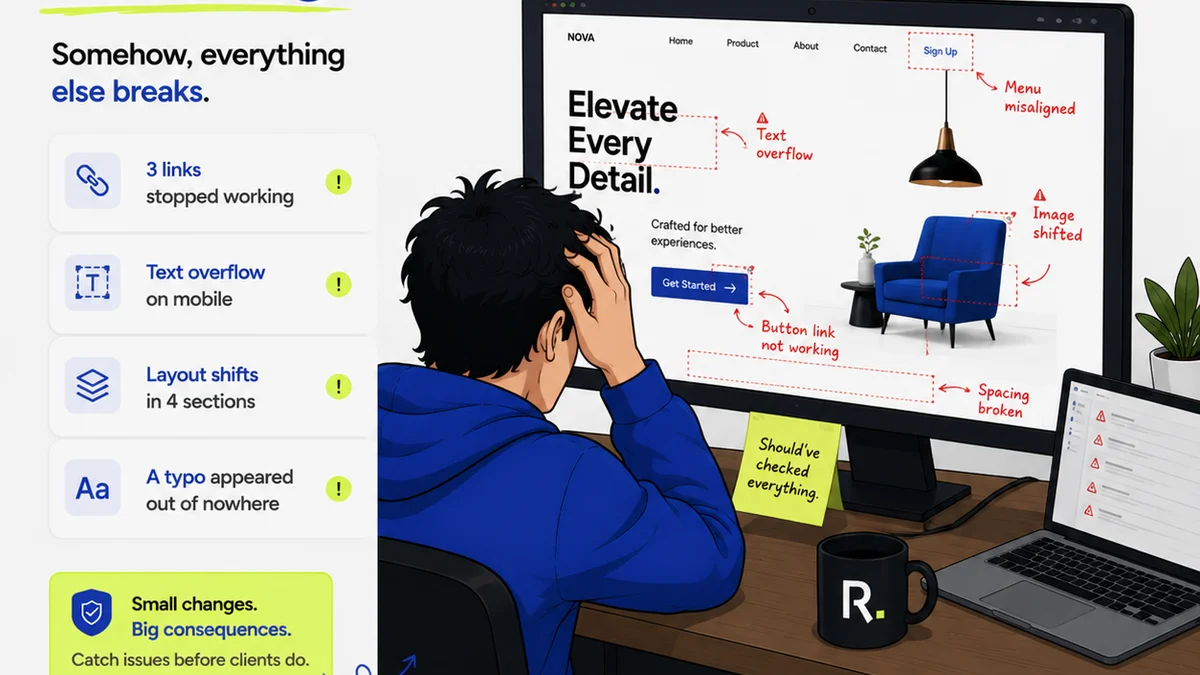
Everyone thinks social media approval is just about getting a client or boss to sign off on a post. That’s the easy part, right? Just a quick look, a thumbs up, and you’re good to go.
None of that is wrong. But it’s incomplete.
The hard truth is that social media approval is a bottleneck. It’s a symptom of deeper workflow issues that cripple your team’s speed, creativity, and ultimately, your client’s results. You’re not just approving posts; you’re approving your team’s ability to react, adapt, and execute in a fast-paced digital world.
1. The Illusion of Speed: Why 'Quick Approvals' Slow You Down
Social media demands agility. Platforms change algorithms daily. Trends emerge and vanish in hours. Your team needs to move at that speed. But a broken approval process forces them to wait.
This isn't just about waiting for a green light. It's about the downstream effects:
- Missed trend opportunities.
- Delayed campaign launches.
- Stale content.
- Frustrated clients.
- Burned-out creative teams.
The assumption is that approvals are a simple gate. The reality is that a slow, opaque approval process creates drag on the entire creative engine. It turns your team into reactive order-takers, not proactive strategists.
The Cycle of Delays
Think about the typical social media approval cycle. A piece of content is ready. It’s sent out. Then the waiting begins. Feedback is scattered across emails, Slack messages, and even text messages. One person approves, another asks for a minor tweak, a third is suddenly unavailable.
This isn't just inefficient; it’s a recipe for mediocrity. When speed is sacrificed for a drawn-out, fragmented approval, the content itself suffers. The initial spark of creativity gets lost in the bureaucratic shuffle.
2. Decoding the Feedback Chaos
The biggest killer of social media approval speed isn't the final sign-off. It's the messy, unorganized feedback loop leading up to it. This is where assumptions about client communication fall apart.
Clients often assume they’re being clear. Teams assume they understand the feedback. The reality is usually far messier.
Common Feedback Pitfalls
- Vague Comments: “Make it pop,” “I don’t love this,” “Needs more energy.” What does any of that actually mean in practice?
- Conflicting Input: Different stakeholders have different opinions, often contradicting each other. Who has the final say?
- Lost in Translation: Feedback given verbally or in a quick chat can be easily misinterpreted when translated into design or copy changes.
Frequently asked questions
What are the biggest challenges in social media approval?
Common challenges include vague or conflicting feedback, delays in response times, difficulty tracking revisions, and ensuring brand consistency across multiple stakeholders and platforms.
How can I get faster feedback on social media content?
Establish clear communication channels, set defined response time expectations with clients, use a centralized platform for feedback, and empower a single point of contact for approvals.
What is the role of a project manager in social media approval?
A project manager acts as a facilitator, ensuring feedback is collected, organized, and communicated clearly to the creative team. They track progress, manage timelines, and escalate issues to ensure timely approvals.
How does centralized feedback improve social media workflows?
Centralized feedback eliminates scattered comments across emails and chats. It provides a single source of truth for all revisions, making it easier to track changes, avoid miscommunication, and speed up the entire approval process.