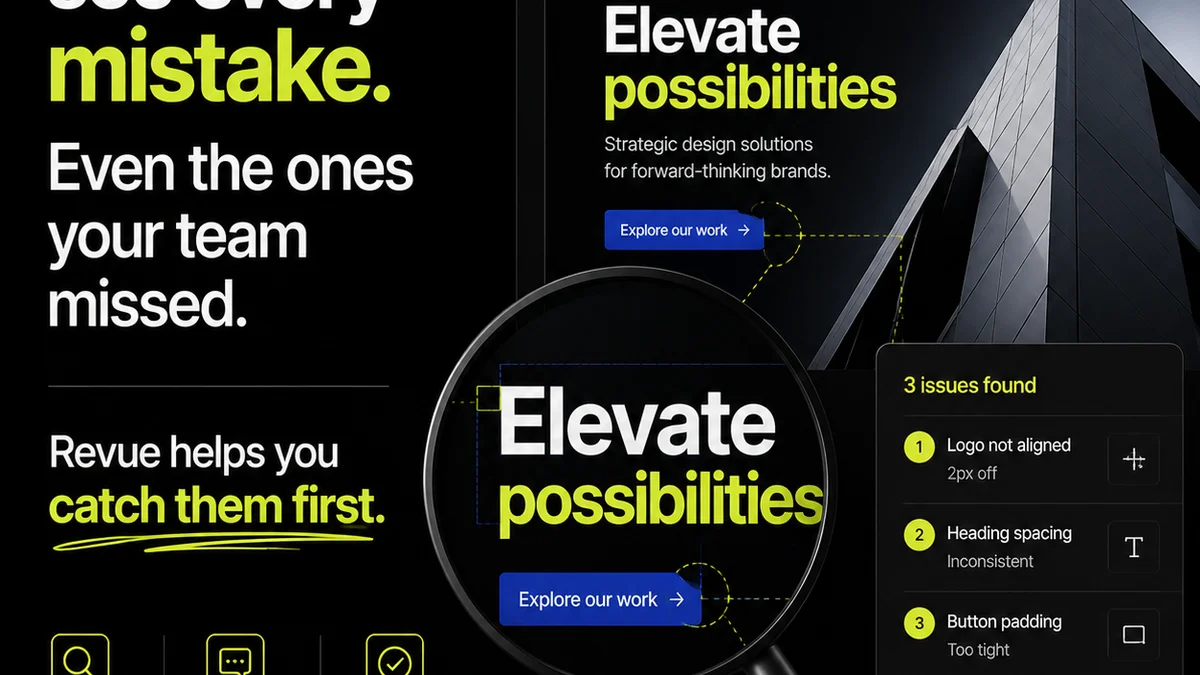
Everyone thinks they know what good feedback looks like. It’s clear. It’s concise. It’s actionable.
None of that is wrong. But it’s incomplete.
The hard truth is that most creative feedback, even when well-intentioned, is a blunt instrument. It misses the mark because it lacks context, precision, and a shared understanding of what “done” actually means. This isn't about finger-pointing; it's about the systemic breakdown in how creative teams and clients communicate about visual work.
1. The Illusion of Clarity: Why
Frequently asked questions
What's the difference between subjective and objective feedback?
Subjective feedback is based on personal opinion or feeling (e.g., 'I don't like the blue'). Objective feedback is based on measurable criteria or facts (e.g., 'The blue is too dark for contrast requirements'). Good visual feedback leans heavily on the objective.
How can I train clients to give better feedback?
Set expectations early. Provide clear briefs and style guides. Use structured feedback tools that guide them to be specific. Offer examples of good vs. bad feedback. Schedule brief calls to clarify feedback, rather than relying solely on written comments.
What are common pitfalls in giving design feedback?
Common pitfalls include vague language ('make it pop'), focusing on minor details before the core concept is approved, giving feedback without understanding the brief, and providing conflicting instructions from different stakeholders.
How does centralized feedback help improve quality?
Centralizing feedback in one platform ensures all comments are documented, visible to all relevant parties, and linked to specific project assets. This reduces miscommunication, prevents lost feedback, and provides a clear audit trail for revisions and approvals, ultimately leading to higher quality output.