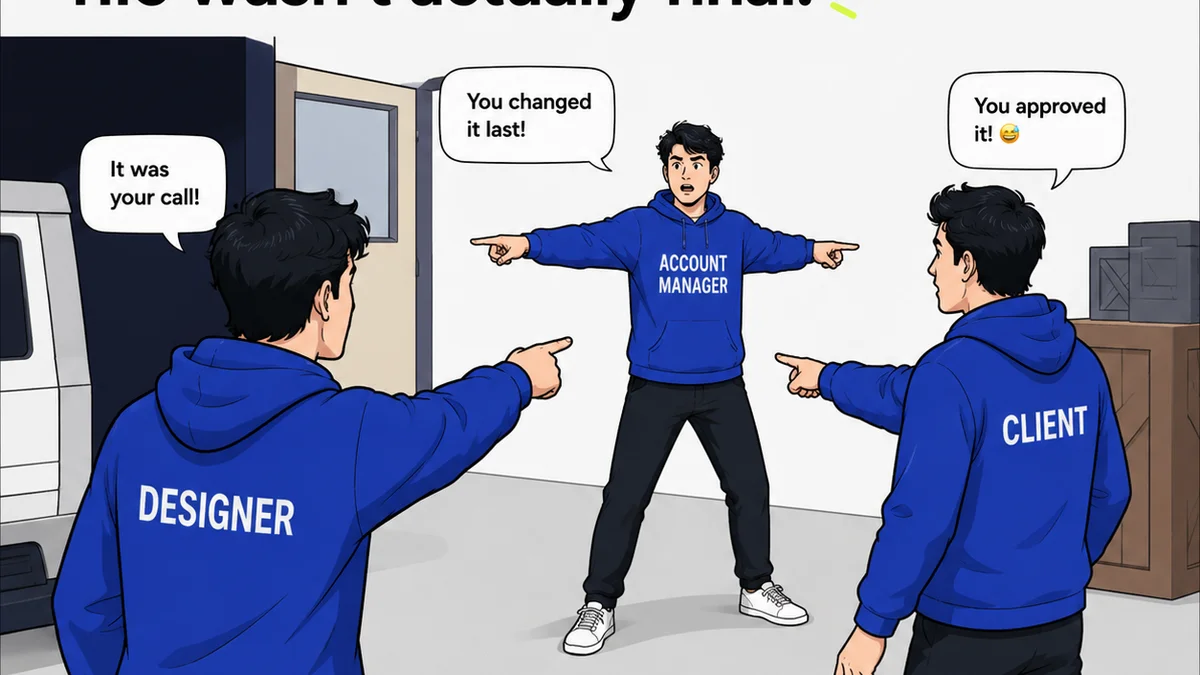
Everyone talks about streamlining creative operations. They point to project management tools, faster turnaround times, and happier clients. None of that is wrong. But it’s incomplete.
The real hard truth? You can have the slickest software and the fastest designers, but without a robust creative operations framework, your in-house team will still drown in chaos. It’s not about the tools; it’s about the process. And process needs a checklist.
1. Define Your Creative Workflow Pillars
Before you can build a checklist, you need to understand the foundational elements of your operations. Think of these as the non-negotiables. They are the bedrock upon which all your projects are built.
The Core Pillars
- Intake and Briefing
- Asset Management
- Review and Feedback Cycles
- Revision and Iteration
- Final Delivery and Archiving
- Resource Allocation and Scheduling
- Quality Assurance (QA)
Each of these pillars represents a critical phase. If one crumbles, the entire project is at risk. Your checklist should address the specific actions and checks within each.
2. The Intake and Briefing Checklist
This is where it all begins. A sloppy brief guarantees a messy project. Don't let scope creep or miscommunication start here.
Key Briefing Questions
- What is the core objective of this creative asset?
- Who is the target audience?
- What is the key message or CTA?
- What are the required deliverables and formats?
- What is the deadline for each stage (draft, review, final)?
- Are there any brand guidelines, technical specs, or legal requirements?
- What is the budget or resource allocation?
- Who are the key stakeholders and approvers?
A comprehensive brief isn't just a document; it's a shared understanding. Make sure it’s accessible and that everyone involved has signed off.
3. Asset Management and Organization
Lost files are creative Kryptonite. Your team wastes precious hours searching for assets, leading to frustration and duplicated effort. Centralization is your best defense.
Essential Asset Management Practices
- Establish a clear, consistent folder structure.
- Implement a logical file-naming convention.
- Utilize a Digital Asset Management (DAM) system or a well-organized cloud storage solution.
- Define version control protocols.
- Regularly audit and archive old assets.
Think of your asset library as a well-curated museum, not a cluttered attic. Everything should be findable, usable, and up-to-date.
4. Streamlining Review and Feedback
This is often the biggest bottleneck. Unstructured feedback, vague comments, and endless back-and-forth can kill momentum. Clear processes are vital.
Feedback Process Checklist Items
- Define clear roles for reviewers and approvers.
- Set specific deadlines for feedback submission.
- Mandate constructive and actionable feedback (e.g.,
Frequently asked questions
What are the key benefits of using a creative operations checklist?
A checklist ensures consistency, reduces errors, streamlines communication, clarifies roles and responsibilities, and helps manage deadlines, ultimately leading to more efficient and predictable creative output.
How can an in-house team improve their feedback process?
Implement clear feedback guidelines, designate specific reviewers and approvers, set firm deadlines for feedback, and use tools that allow for contextual, actionable comments. Centralizing feedback is crucial.
What is the role of asset management in creative operations?
Effective asset management ensures all creative files are organized, easily searchable, and version-controlled. This saves time, prevents duplication of work, and maintains brand consistency.
How does creative operations differ for in-house teams versus agencies?
In-house teams often manage a wider range of internal stakeholders and brand consistency across diverse internal needs. Agencies typically focus on multiple external clients with varying project scopes and client-specific brand guidelines.
Can a checklist alone solve all creative operations problems?
A checklist is a powerful tool for standardizing processes, but it's most effective when combined with the right technology, clear communication, and a commitment to continuous improvement from the entire team.