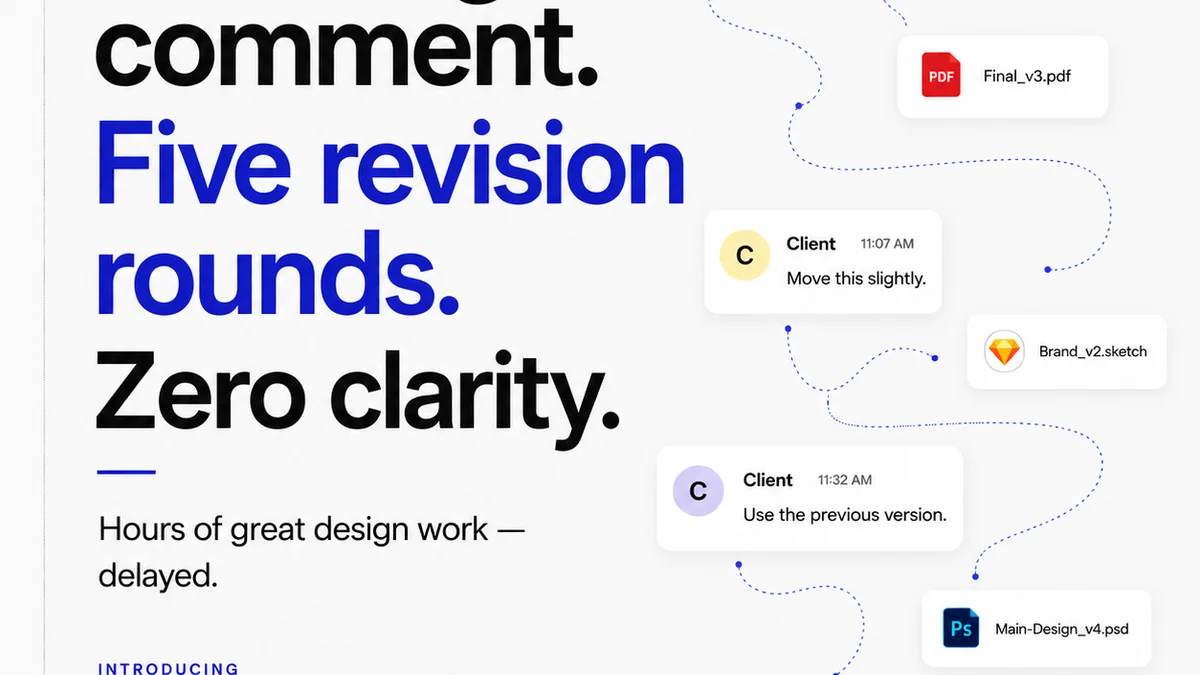
Everyone thinks a design review is about catching typos or making sure the logo is the right size. And sure, that’s part of it. But it’s not the whole story.
The real power of a design review for an in-house team lies in its potential to improve process, catch strategic misalignments, and ensure creative output actually hits business goals. It’s an operational tool, not just a final sign-off.
1. Defining the Review's Purpose: More Than Just 'Looks Good'
What are you actually trying to achieve with this review? Is it just to get a stamp of approval before launch? Or is it to ensure strategic alignment, brand consistency, and technical feasibility?
A vague objective leads to vague feedback and wasted time. Get specific.
Strategic Alignment Check
Does the design directly address the brief? Does it meet the stated business objectives?
Brand Consistency Audit
Does this piece adhere to brand guidelines? Does it feel like it belongs in the existing ecosystem?
User Experience (UX) Validation
Is the user flow intuitive? Are calls to action clear? Does it meet accessibility standards?
Technical Feasibility Assessment
Can this be built within budget and timeline? Are the chosen technologies appropriate?
2. The Pre-Review Prep: Setting the Stage for Success
A good review starts long before the meeting. It requires preparation from both the reviewer and the reviewee.
Clear Briefing Documents
Ensure the designer has a crystal-clear understanding of the project goals, target audience, and key deliverables. Without this, feedback will be guesswork.
Defined Reviewers and Roles
Who needs to be in the room? What is each person’s authority? Avoid inviting everyone and their dog. Appoint a clear decision-maker.
Specific Feedback Guidelines
Tell your reviewers what kind of feedback is expected. Is it about gut reaction, or objective adherence to criteria?
Deliverables Ready for Review
The work should be presented in a format that allows for easy, contextual feedback. Think interactive prototypes over static PDFs where appropriate. For web, ensure it's live on a staging server.
3. During the Review: Facilitating Constructive Dialogue
This is where many teams stumble. They turn reviews into opinion sessions or lengthy debates.
Focus on the Objectives
Constantly bring the conversation back to the agreed-upon goals. Does this element serve the strategy?
Objective, Actionable Feedback
Feedback should be specific and tied to criteria. Instead of “I don’t like this,” try “This headline is too long for the available space and doesn’t clearly communicate the offer.”
Distinguish Between Preference and Necessity
Is a suggested change a 'nice-to-have' or a 'must-have'? Make this distinction clear. Not all feedback is created equal.
Timeboxing Discussions
Set time limits for each item or section. If a discussion is going too long, table it for a separate, focused conversation.
Documenting Decisions in Real-Time
Use a shared document or tool to capture feedback and decisions as they happen. This prevents misinterpretation later.
4. Post-Review Actions: Ensuring Follow-Through
The review isn't over when the meeting ends. The real work is in the follow-up.
Clear Action Items
Assign specific tasks to specific people with clear deadlines. Who is implementing the changes? Who is verifying them?
Revision Tracking
How will you track the changes made? This is crucial for accountability and for understanding the evolution of the design.
Final Sign-Off Protocol
Define what constitutes final approval. Is it a specific person’s sign-off? A consensus? A checklist completion?
Feedback Loop Analysis
Periodically review the feedback given and received. Are there recurring issues? Are the same types of comments being made? This points to deeper process problems.
5. Common Pitfalls to Avoid
Even with a checklist, teams fall into predictable traps.
- Scope Creep: New ideas surfacing during review that weren't part of the original brief.
- The 'HiPPO' Effect: Highest Paid Person's Opinion dictating decisions over objective criteria.
- Ambiguous Feedback: Comments that are subjective, unclear, or lack actionable steps.
- Lack of Accountability: No clear owner for implementing changes or for final approval.
- Infrequent Reviews: Waiting too long between reviews, leading to massive rework.
- Too Many Reviewers: Diluting decision-making and creating conflicting feedback.
Where Revue Fits In
Managing the design review process effectively requires structure. Tools that facilitate clear communication and tracking are essential for in-house teams juggling multiple projects and stakeholders.
Revue offers a centralized platform where feedback can be collected, organized, and tracked. This means:
- Centralized Client Feedback: All comments and discussions live in one place, tied directly to the asset being reviewed. No more chasing down emails or Slack messages.
- Revision Visibility: Easily see the history of changes, who approved what, and when. This transparency is key for accountability and for understanding the design's evolution.
- Quality Check Integration: Build your review checklist directly into the workflow. Ensure every crucial step, from brand adherence to technical checks, is completed before final sign-off.
This structured approach helps move design reviews from a subjective 'liking' exercise to an objective, process-driven workflow.
Final Thought
Is your design review process a bottleneck or a catalyst? The difference often comes down to treating reviews as an operational system, not just a final gate. What small change can you implement today to make your next review more effective?
Frequently asked questions
What are the key elements of an effective in-house design review checklist?
An effective checklist should cover strategic alignment (does it meet the brief?), brand consistency, user experience, technical feasibility, and clear action items for follow-up. It's about more than just aesthetics.
How can I prevent scope creep during design reviews?
Clearly define the project scope and objectives in the initial brief. During the review, keep the discussion focused on these agreed-upon goals. Any new ideas should be captured separately for future consideration, not implemented immediately.
What's the difference between subjective feedback and objective feedback in a design review?
Subjective feedback is based on personal preference (e.g., 'I don't like this color'). Objective feedback is based on predefined criteria or goals (e.g., 'This color doesn't meet accessibility contrast ratios' or 'This headline exceeds the character limit set in the brief').
How often should in-house design reviews occur?
The frequency depends on the project's complexity and pace. However, reviews should be frequent enough to catch issues early and prevent major rework, but not so frequent that they disrupt the designer's workflow. Regular check-ins at key milestones are often best.