Everyone says a nonprofit needs a great landing page. That it needs to be visually stunning, drive donations, and clearly communicate its mission.
None of that is wrong. But it’s incomplete.
The hard truth? The *right* landing page design agency for a nonprofit isn’t just a design shop. It’s a strategic partner who understands the unique constraints and opportunities of the social sector. It’s about impact, not just aesthetics.
1. Beyond the Portfolio: Understanding Mission Alignment
You’ll see portfolios packed with slick corporate sites or e-commerce giants. That’s great for them, but does it speak to your cause? A nonprofit landing page needs to connect emotionally and ethically. It’s not just about selling a product; it’s about inspiring action for a cause.
Look for agencies that:
- Demonstrate an understanding of nonprofit marketing challenges (limited budgets, diverse donor bases, volunteer engagement).
- Can articulate how design choices support specific fundraising goals or advocacy efforts.
- Showcase work with other mission-driven organizations, even if they aren't direct competitors.
This isn't about finding an agency that *only* works with nonprofits. It's about finding one that *gets* nonprofits.
2. Audience First: Designing for Donors, Volunteers, and Beneficiaries
Who are you trying to reach with this landing page? A potential major donor has different needs and expectations than a first-time volunteer or someone seeking your services.
A top-tier agency will:
- Ask probing questions about your target audience segments.
- Propose design and content strategies tailored to each segment.
- Discuss user experience (UX) from multiple perspectives, not just the organization's.
Consider how the agency approaches user research. Do they rely on assumptions, or do they advocate for understanding user needs through surveys, interviews, or persona development? For a nonprofit, understanding the 'why' behind user behavior is critical.
Messaging Clarity
Can the agency translate complex social issues into clear, compelling calls to action? This requires empathy and a knack for storytelling.
Accessibility Standards
Is the agency committed to designing accessible experiences? This is non-negotiable for any organization serving the public. Adhering to WCAG guidelines ensures your message reaches everyone.
3. Budget Realities: Value Over Flash
Nonprofits often operate on tighter budgets. This doesn't mean you have to settle for mediocre design, but it does mean you need an agency that understands value and efficiency.
Ask potential agencies:
- How do they scope projects and manage budgets?
- Are they transparent about their pricing structure?
- Do they offer tiered solutions or phased approaches to accommodate budget constraints?
- What is their process for ensuring revisions stay within scope and budget?
A good agency won't try to upsell you on features you don't need. They’ll help you prioritize what matters most for impact and ROI.
Beware of agencies that don't discuss budget upfront or seem hesitant to provide clear cost breakdowns.
4. Technical Proficiency and Scalability
A beautiful design is useless if it doesn’t function correctly or can’t grow with your organization.
Your chosen agency should demonstrate expertise in:
- Platform compatibility: Ensuring the design works seamlessly across different devices and browsers.
- CMS integration: If you use a specific content management system, they should be able to work with it effectively.
- Performance optimization: Fast-loading pages are crucial for user experience and SEO.
- Scalability: Can the design accommodate future growth in content, features, or traffic?
This is where technical skill meets creative vision. The best agencies ensure that the design is not only visually appealing but also robust and future-proof.
5. Communication and Collaboration
The design process can be complex. You need an agency that communicates clearly and collaborates effectively.
Look for:
- A clear, defined process from kickoff to launch.
- Regular, scheduled check-ins and progress reports.
- A willingness to listen and incorporate feedback constructively.
- Proactive problem-solving and transparent communication about challenges.
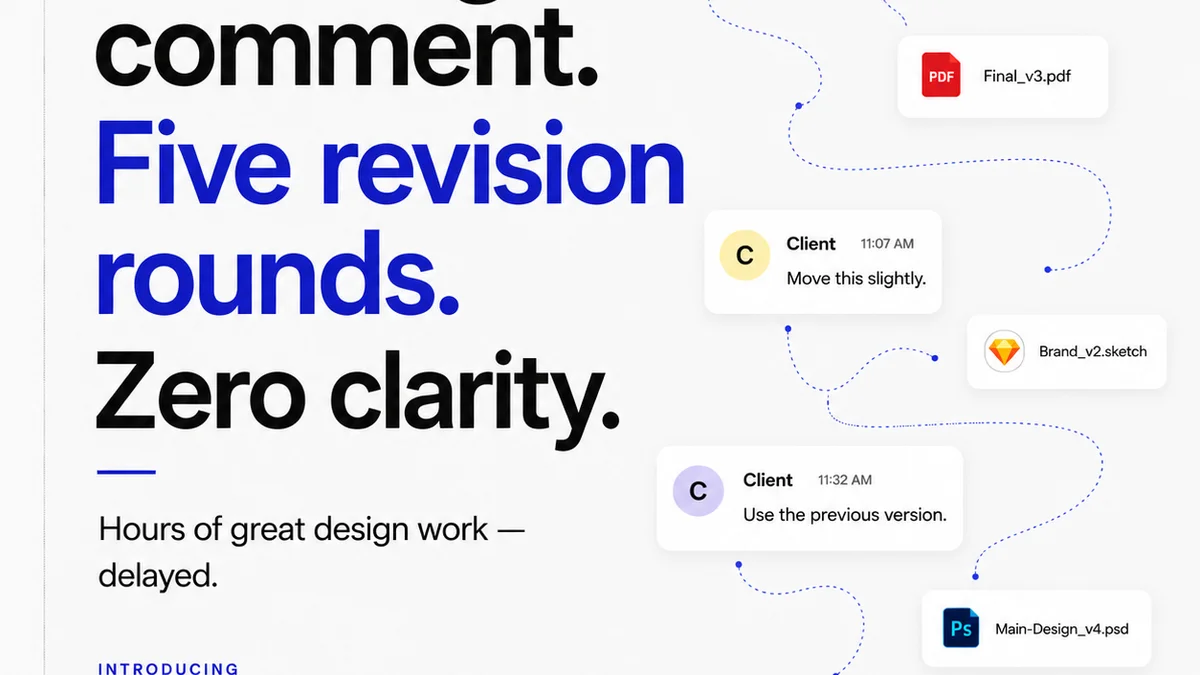
How do they handle feedback? Do they use tools that centralize comments and approvals, or is it a chaotic email chain? A streamlined feedback process is vital.
Where Revue Fits In
Managing creative projects, especially with external agencies, involves a lot of moving parts. Centralizing client feedback, tracking revisions, and ensuring quality checks are paramount for any organization, including nonprofits.
Tools like Revue are designed to streamline this exact process. Imagine an agency presenting a design concept. Instead of endless email threads, all feedback is consolidated in one place, linked directly to the specific design element. Revisions are tracked, approvals are clear, and you gain visibility into the entire workflow.
This means less time spent managing the process and more time focused on the mission. It ensures that feedback is actionable, revisions are efficiently implemented, and the final landing page meets your quality standards before launch.
Final Thought
Choosing a landing page design agency is more than a vendor selection. It’s about finding a partner who understands your mission, your audience, and your operational realities. It's about investing in a tool that drives impact.
Are you looking for a decorator, or a strategic partner who can help you achieve your nonprofit's goals?
Frequently asked questions
What are the key differences when hiring a landing page agency for a nonprofit versus a for-profit business?
Nonprofits often have tighter budgets, a mission-driven focus, and diverse audiences (donors, volunteers, beneficiaries) that require a more empathetic and strategic approach to design. The primary goal is usually impact and engagement rather than direct sales.
How can a nonprofit assess an agency's understanding of its mission?
Look for agencies that ask about your mission and impact early on, showcase work with other mission-driven organizations, and can articulate how design choices will support your specific goals, like donations or volunteer sign-ups.
What should a nonprofit budget for landing page design?
Budgets vary widely based on complexity, features, and agency rates. It's crucial to discuss your budget openly with potential agencies and look for those who offer value, transparency, and potentially phased approaches to fit financial constraints.
Why is accessibility important for a nonprofit landing page?
Accessibility ensures that your message and calls to action are available to everyone, including individuals with disabilities. For nonprofits, this aligns with principles of inclusivity and broadens reach for donations, services, and information.