You think landing page design cost is all about pixels and palettes. Maybe a few hours of wireframing. None of that is wrong. But it’s incomplete.
The real cost of a high-performing landing page for your telecom business is buried deeper. It’s in the strategy, the user research, the conversion rate optimization (CRO) expertise, and the ongoing analysis. It’s about building a lead-generation machine, not just a pretty webpage.
1. The "It Depends" Factor: Unpacking Telecom Landing Page Pricing
Asking for a fixed price for landing page design is like asking for the cost of a car without specifying make, model, or features. The range for a professional, conversion-focused landing page in the US can swing wildly, from a few hundred dollars for a basic template to upwards of $10,000 or more for a fully custom, high-stakes campaign.
For telecom businesses, the stakes are often higher. You're competing for attention in a crowded market, aiming to capture leads for internet, mobile, or TV services. This requires a landing page that doesn't just look good—it has to *perform*.
Key Cost Drivers
- Scope of Work: Are we talking a single page or a series of pages? Simple lead capture or complex form submissions with integrations?
- Customization vs. Templates: Off-the-shelf solutions are cheaper but less effective. Bespoke design commands a premium.
- Research & Strategy: Understanding your target audience, competitors, and offer is crucial and time-consuming.
- Copywriting: Persuasive, benefit-driven copy is essential for conversion. This isn't an afterthought.
- Design Complexity: Advanced animations, custom graphics, or intricate layouts add to the cost.
- Development: The actual coding of the page, ensuring responsiveness across devices and fast load times.
- CRO & Testing: Building in A/B testing frameworks and initial analysis for optimization.
- Agency vs. Freelancer: Agencies typically charge more due to overhead, team expertise, and process, but often deliver more comprehensive results. Freelancers can be more cost-effective but may lack specialized skills or bandwidth.
2. The Real Value: What You're Actually Paying For
Let's be clear: you're not just paying for a designer's time. You're investing in:
Strategic Foundation
Before a single pixel is placed, a good agency or designer will dive deep into understanding:
- Your business goals for the campaign.
- Your ideal customer profile (ICP) within the telecom space.
- The specific offer or service being promoted.
- Your unique selling propositions (USPs) against competitors.
- The competitive landscape and what others are doing.
This strategic groundwork prevents costly redesigns and ensures the page is built with a purpose.
User Experience (UX) & Conversion Rate Optimization (CRO)
This is where the magic happens. A landing page isn't just seen; it's *experienced*. Designers focused on conversion will consider:
- Information Architecture: How content is organized for clarity and scannability.
- Call-to-Action (CTA) Placement & Design: Making the next step obvious and compelling.
- Form Design: Keeping forms concise and user-friendly to reduce friction.
- Trust Signals: Incorporating elements like testimonials, security badges, and social proof.
- Mobile-First Design: Ensuring a seamless experience on smartphones, critical for the telecom audience.
- Page Load Speed: Optimized assets and code for quick loading times—vital for user retention and SEO. A slow page loses leads.
This isn't guesswork. It's applying proven UX principles and CRO best practices tailored to your telecom offering.
Compelling Copywriting
Great design guides the eye, but great copy converts the mind. Professional landing page copywriters understand how to:
- Craft attention-grabbing headlines.
- Clearly articulate benefits, not just features.
- Address customer pain points directly.
- Build desire and urgency.
- Write clear, concise, and persuasive calls to action.
If your copy is weak, even the best design will fall flat. Factor in professional copywriting as a non-negotiable.
Development & Technical Execution
The design needs to be built. This involves:
- Front-end Development: Translating the design into functional HTML, CSS, and JavaScript.
- Responsiveness: Ensuring the page adapts perfectly to all screen sizes (desktop, tablet, mobile).
- Cross-Browser Compatibility: Testing to ensure it looks and works correctly on Chrome, Safari, Firefox, etc.
- Integration: Connecting forms to your CRM, email marketing platform, or other systems.
- Performance Optimization: Minifying code, optimizing images, and leveraging caching for speed.
Poor development can kill a great design. It's the engine that makes the beautiful chassis run.
3. Cost Breakdown: What to Expect for Your Telecom Business
While exact figures vary, here’s a general expectation for landing page design costs in the US, assuming a professional agency or experienced freelancer:
Basic Lead Capture Page ($500 - $2,000)
- Often uses a pre-built template with minor customization.
- Standard copy, possibly provided by you.
- Limited custom graphics or animations.
- Focus on a single, clear CTA.
- Suitable for very simple offers or initial testing.
Standard Conversion-Focused Page ($2,000 - $5,000)
- Custom design based on your brand guidelines and user research.
- Professional copywriting tailored to your offer.
- Optimized for mobile and speed.
- Basic A/B testing setup.
- Integration with standard marketing tools (CRM, email).
- Ideal for most standard telecom service promotions.
Advanced/High-Performance Page ($5,000 - $10,000+)
- Fully bespoke design and user experience strategy.
- In-depth user persona development and competitive analysis.
- Sophisticated copywriting and narrative structure.
- Complex interactive elements or custom animations.
- Advanced CRO strategy, including detailed A/B testing plans and analytics setup.
- Integration with multiple complex systems.
- May include video production or specialized asset creation.
- Best for high-value offers, competitive markets, or significant campaign budgets.
Remember, these are estimates. The more complex your offer, the more competitive your market, and the higher your conversion goals, the higher the investment will likely be.
4. Finding the Right Partner for Your Telecom Landing Page
Choosing who builds your landing page is as critical as the design itself. Look for:
- Proven Experience: Have they worked with businesses in similar industries? Can they show case studies of successful landing pages, ideally for service-based businesses?
- Strategic Approach: Do they ask about your goals, audience, and offer *before* talking design?
- Focus on Conversion: Is CRO a core part of their process, or just an add-on?
- Transparency: Are they clear about their process, deliverables, and pricing?
- Communication: Do they listen well and communicate clearly?
Don't just shop on price. A cheap landing page that doesn't convert costs you more in lost revenue than a well-designed, high-performing page ever will.
Where Revue Fits In
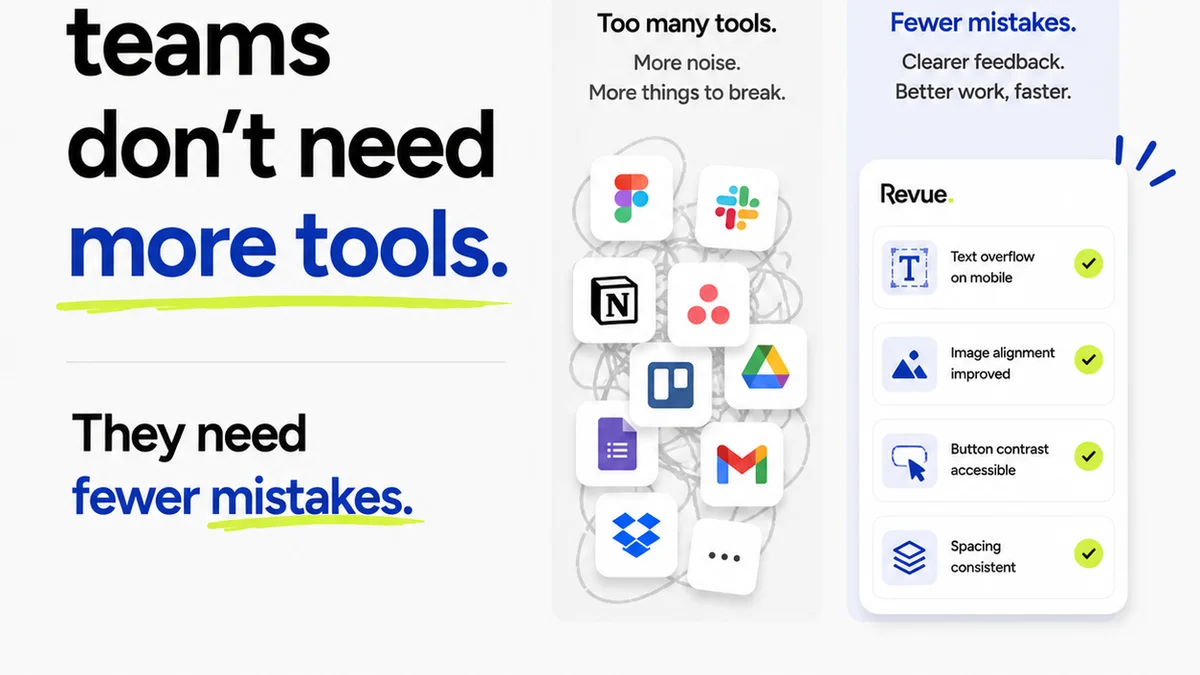
Once your high-performing landing page is live, the work isn't over. Managing the feedback, revisions, and approvals process efficiently is key to launching on time and on budget. This is where tools like Revue become invaluable.
Instead of scattered email chains, endless Slack messages, or confusing annotation tools, Revue centralizes all client feedback directly on the creative assets. Your team can see exactly what needs changing, track revisions, and get clear sign-offs. This streamlined workflow reduces miscommunication, speeds up the approval cycle, and ensures the final landing page design meets both your standards and the client's expectations, minimizing costly delays and rework.
5. Common Pitfalls to Avoid
Even with a good budget, mistakes happen. Watch out for:
- Overly Complex Design: Trying to cram too much information or too many features onto one page.
- Vague Calls to Action: Users don't know what to do next.
- Ignoring Mobile Users: Designing only for desktop.
- Slow Load Times: Unoptimized images or bloated code.
- Lack of Trust Signals: No testimonials, reviews, or security assurances.
- Failing to Test: Launching without any A/B testing plan.
- Not Aligning with Overall Marketing Strategy: The landing page is a silo, not part of a larger campaign.
These errors can cripple even the most expensive landing page.
Final Thought
Your landing page is a critical touchpoint in the customer journey, especially in the competitive telecom sector. Investing wisely in design, strategy, and development isn't an expense; it's a direct driver of lead acquisition and revenue growth. Are you building a digital storefront or just a brochure?
Frequently asked questions
What is the average cost for a telecom landing page in the US?
The cost can range significantly, from $500 for a basic template-based page to $10,000+ for a fully custom, high-performance design. Factors like strategy, copywriting, custom design, development, and CRO expertise heavily influence the final price.
Is a custom landing page worth the investment for a telecom company?
Yes, often. A custom landing page is designed specifically for your target audience and unique offers, leading to higher conversion rates than generic templates. For competitive telecom markets, this tailored approach can significantly boost lead generation and ROI.
What elements contribute most to the cost of a landing page?
The core drivers of cost are the depth of strategic research, the quality and focus of copywriting, the uniqueness and complexity of the custom design, the technical execution (development, optimization), and the inclusion of conversion rate optimization (CRO) strategies like A/B testing.
Can I use a freelancer instead of an agency to save money?
You can, and it might save money upfront. However, agencies often offer a broader range of integrated expertise (strategy, design, copy, development, CRO, project management) and established processes. Freelancers can be excellent, but ensure they have the specific skills and bandwidth your project requires, especially for complex telecom campaigns.