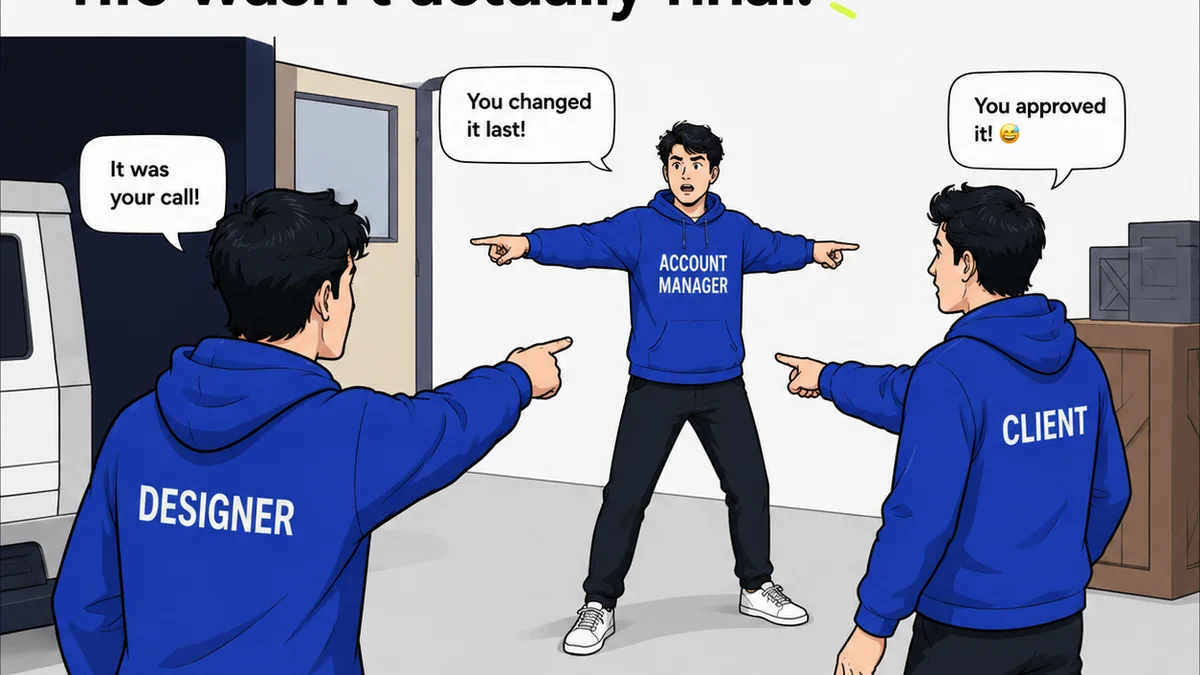
Everyone thinks they do Quality Assurance. Especially on creative projects. They assume a final look-over, a quick scroll, maybe a quick chat with the designer. That's enough. Right?
Wrong.
That's not QA. That's a handshake before a boxing match. The real truth? A truly effective layout QA process isn't an afterthought; it's a foundational pillar of professional creative delivery. It’s the difference between a client saying “Wow” and a client saying “Wait, what is that?”
1. The Illusion of 'Good Enough'
The assumption is that if something *looks* okay at first glance, it *is* okay. This is dangerous thinking. It relies on subjective perception rather than objective criteria.
Creative work, especially digital, has layers of detail that aren't immediately obvious:
- Pixel perfection.
- Consistent spacing and alignment.
- Correct typography hierarchy.
- Responsive behavior across breakpoints.
- Accessibility considerations.
- Functional accuracy (for interactive elements).
A cursory glance misses all of this. It’s like inspecting a car by just looking at the paint job. You miss the engine, the brakes, the transmission – the things that actually make it work.
Beyond the Surface
Your QA process needs to go deeper than surface-level aesthetics. It requires a structured approach, a checklist, and a critical eye that’s trained to spot deviations from the plan.
2. Defining Your Layout Standards
Before you can QA anything, you need to know what
Frequently asked questions
What is layout QA?
Layout QA (Quality Assurance) is a systematic process of reviewing creative designs and digital interfaces to ensure they meet specified standards for visual accuracy, functional correctness, responsiveness, and accessibility before delivery to clients or launch.
Why is a structured layout QA process important?
A structured process minimizes errors, reduces costly revisions, improves client satisfaction, ensures brand consistency, and builds a reputation for high-quality deliverables. It moves QA from an ad-hoc activity to a predictable, reliable part of the workflow.
Who should be responsible for layout QA?
Responsibility can be shared. A dedicated QA specialist is ideal. Alternatively, a project manager, a senior designer, or even a peer reviewer (not the original creator) can conduct checks. The key is clear ownership and a defined process.
How can I make my layout QA process more efficient?
Use checklists, leverage design system components, automate where possible (e.g., with linting tools for code), and centralize feedback. Tools like Revue help by providing a single source of truth for feedback and approvals, reducing miscommunication and missed issues.