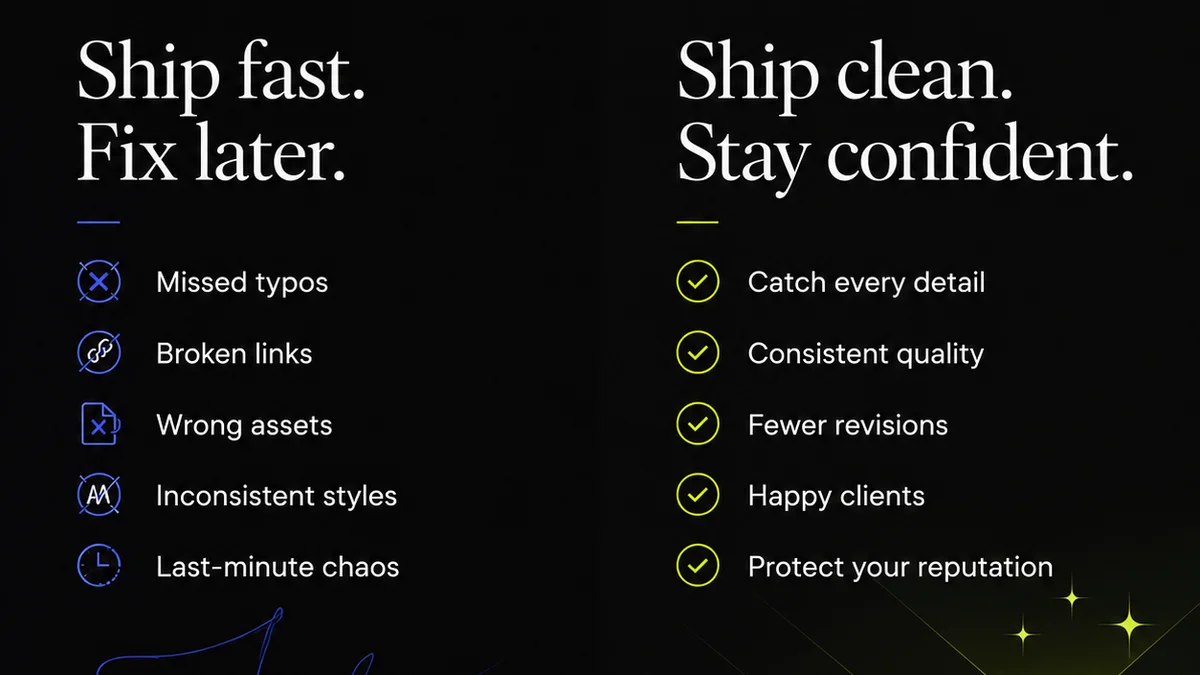
Everyone says legal marketing needs to be faster. That clients are demanding quicker turnaround times. That agency workflows are too slow.
None of that is wrong. But it’s incomplete.
The hard truth about legal marketing approvals isn’t about speed itself. It’s about the friction points baked into your review process that cause delays, misunderstandings, and ultimately, frustration. If you’re just trying to “be faster” without addressing the root causes, you’re just running faster in circles.
1. The Illusion of Centralized Feedback
Many firms *think* they have a centralized feedback system. They’ll point to a shared drive, a massive email chain, or a project management tool. But this is often a mirage. Centralized doesn’t mean organized. It doesn’t mean actionable.
What looks like a central repository is often a dumping ground for fragmented comments, conflicting advice, and missed context. Legal teams, compliance officers, and marketing managers all chime in, but their input gets lost in the noise.
Symptoms of a Broken System
- Endless back-and-forth emails asking for clarification.
- Comments that contradict each other.
- The same feedback being given multiple times by different people.
- Difficulty tracking who said what and when.
- A general feeling of chaos rather than control.
This isn't collaboration; it's a cacophony. And it’s a primary driver of approval delays in legal marketing.
2. Understanding the Legal Review Lifecycle
Legal marketing materials, especially for regulated industries, go through a rigorous review process. This isn’t just a “rubber stamp.” It involves multiple stakeholders with distinct concerns:
- Marketing Team: Focus on brand messaging, campaign goals, and market impact.
- Legal Counsel: Focus on compliance, risk mitigation, and regulatory adherence.
- Subject Matter Experts (SMEs): Focus on technical accuracy and factual correctness.
- Senior Leadership: Focus on strategic alignment and brand reputation.
Each stakeholder has a specific lens. When feedback isn't structured to address these lenses directly, it becomes a guessing game. Marketing might get a legal note about a disclaimer, but without context, they don’t know if it’s a minor tweak or a complete overhaul.
The Cost of Misinterpretation
Misinterpreting legal feedback is costly. It leads to:
- Redundant revisions.
- Missed deadlines.
- Increased stress for everyone involved.
- Potentially non-compliant marketing materials.
The solution isn’t to bypass legal. It’s to make the feedback process transparent and structured so everyone understands the requirements and the implications of their input.
3. The
Frequently asked questions
What is the biggest bottleneck in legal marketing approvals?
Often, the biggest bottleneck isn't the volume of feedback, but the lack of clarity and structure surrounding it. Fragmented comments, conflicting advice, and difficulty tracking revisions lead to endless back-and-forth, causing significant delays.
How can agencies improve communication with legal teams?
Improve communication by establishing clear feedback channels and templates that prompt specific information. Ensure legal feedback is contextualized, explaining the 'why' behind a change, not just the 'what'.
Can technology really speed up legal marketing approvals?
Yes, but only if it addresses the core workflow issues. Tools that centralize feedback, provide version control, and offer clear audit trails can significantly reduce confusion and speed up the review cycle. It's about the process enabled by the technology, not just the technology itself.
What are the key stakeholders involved in legal marketing review?
Key stakeholders typically include the marketing team, legal counsel, subject matter experts (SMEs) for technical accuracy, and senior leadership for strategic alignment. Each brings a different perspective and set of concerns to the review process.